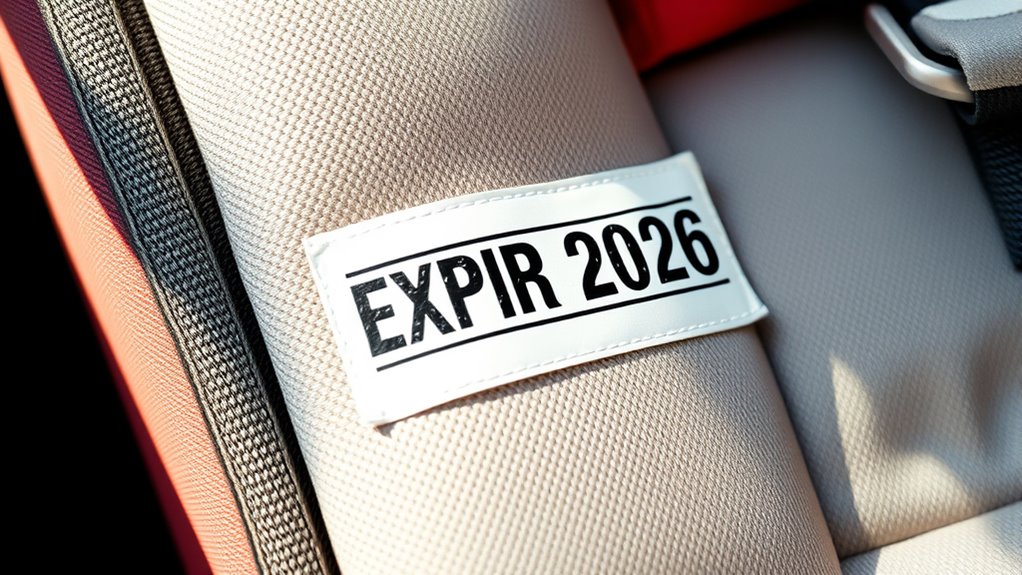
How to Tell if a Car Seat Is Expired: Easy Safety Tips
Finding the perfect car seat for your child can feel overwhelming, especially with so many safety concerns to keep in mind. Many parents worry about whether their car seat is still safe to use or if it’s time for an upgrade. You’re not alone—checking expiry dates and signs of wear is something many struggle with.
To tell if your car seat has expired, check the labels for the manufacturing and expiration dates, usually found on the side or bottom, in month/year format. Inspect for signs of wear like cracked plastic, frayed straps, or faded fabric, which indicate deterioration.
Environmental damage from sun, heat, or cold can also weaken the seat. If you’re unsure or notice damage, it’s safest to replace the seat. Keep exploring to learn more about keeping your child safe.
Key Takeaways
- Check for an expiration date printed on labels or molded into the seat, usually in month/year format.
- Inspect for physical damage like cracks, frayed straps, or broken buckles that could make the seat unsafe.
- Look for signs of aging such as faded fabric, stiffness, or discoloration from sun, heat, or cold.
- Make sure the seat meets current safety standards and recommendations from the manufacturer based on its expiration info.
- Dispose of the seat properly if it has been in a crash, shows signs of damage, or is past its expiration date.
How to Confirm If Your Car Seat Has Expired
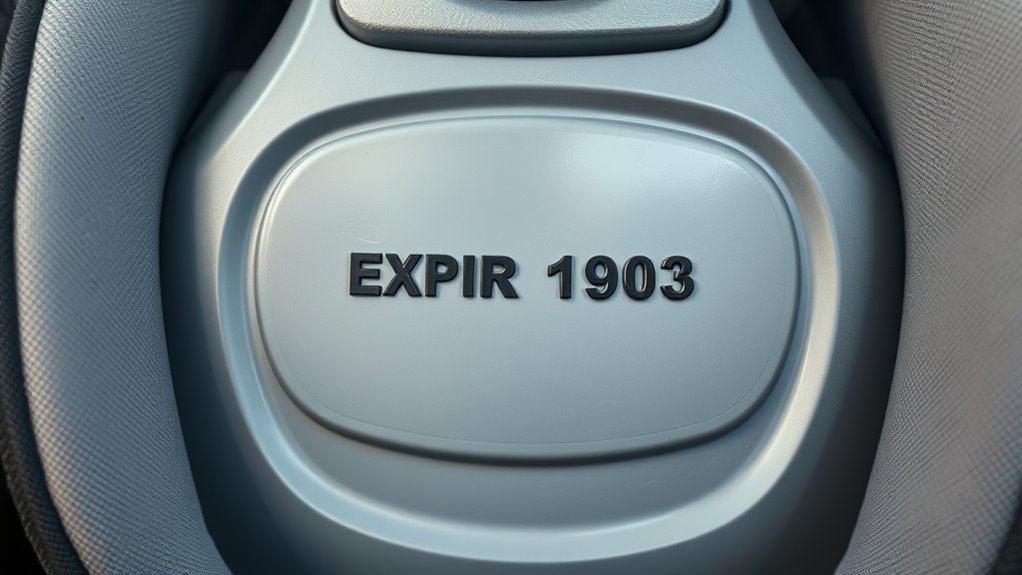
Wondering how to tell if your car seat has expired? The first thing to do is check the manufacturing date and expiration date. You’ll usually find these on labels or molded into the plastic.
Car seat safety is super important for your child, and expired seats can be risky. Follow safety guidelines closely because manufacturers set expiry dates based on material wear and safety standards.
Even if your seat looks fine, it might no longer meet current safety guidelines. Over time, plastic, foam, and other parts weaken, which can reduce crash protection.
How to Read Expiration Dates and Labels on Your Car Seat
Locating and understanding the expiration dates and labels on your car seat is key to making sure it’s safe and up-to-date. Most seats have an expiration date marked on a sticker or molded into the plastic shell.
Pay attention to labels with manufacturing dates, serial numbers, or symbols that show expiration. Reading these helps you know if the seat is still safe to use, because expired seats can affect both comfort and safety.
Check the manufacturer’s label, usually found on the side or bottom of the seat. Look for printed dates or symbols indicating expiration.
Confirm the manufacturing date, which is often in month/year format. Note any warnings about use after certain dates.
Review the installation instructions printed on or with the seat to ensure everything is set up correctly.
Understanding these labels helps you verify the seat’s safety before use, so you can keep your child protected.
Why Car Seats Wear Out Over Time
Over time, the materials in your car seat can start to weaken and break down. This usually happens because of exposure to sunlight, temperature swings, and regular use. It’s kind of like how your skin ages when it’s in the sun all the time, you know?
Also, the straps and harnesses get worn out from constant use. Over time, their effectiveness can drop, making them less reliable in keeping your little one safe. So, all these factors together mean that a car seat might not be as safe as when you first got it.
Material Deterioration Over Time
Car seats are constantly exposed to daily stresses, which causes their materials to break down over time. This deterioration can show up as fabric fatigue, making the fabric less resilient and more prone to tears.
You might notice labels fading, which indicates aging and exposure to sunlight, chemicals, or cleaning agents. Over time, foam padding can lose its firmness, reducing both comfort and safety.
Cracks or brittle plastic parts can develop, compromising the seat’s structure. Worn harness straps may weaken, increasing safety risks. Recognizing these signs helps ensure your seat remains safe to use.
Signs of wear include faded labels or tags, cracks or brittleness in plastic components, and loose or frayed fabric seams. Reduced foam padding can also diminish cushioning and comfort.
Finally, look for visible wear or discoloration of materials. Keeping an eye out for these signs can help you know when it’s time for maintenance or replacement to keep your seat safe.
Impact of Usage Cycles
Repeated use of a car seat causes the materials to experience stress each time a child is buckled in or out, gradually wearing down its components. Every buckle click, harness adjustment, or cleaning exposes the seat to additional wear, similar to tire wear on a vehicle.
Over time, this repeated stress can affect the seat’s structural integrity, even if it looks fine externally. Just like battery testing indicates a decline in performance, the constant cycling weakens the seat’s cushioning and plastics.
These usage cycles can lead to subtle damage that compromises safety, even without visible signs. Regularly inspecting your car seat’s components and understanding how usage impacts its lifespan helps *guarantee* it remains safe for your child over its entire service life.
Signs Your Car Seat Might Be Unsafe
Even if a car seat looks fine at first glance, certain signs can mean it’s unsafe to use.
Cracks or damage on the shell, frayed straps, or missing parts can compromise safety. Sometimes, the harness might no longer hold securely, or the buckle may stick or malfunction.
If your car seat doesn’t pass the booster seat guidelines or feels loose after proper installation, it’s time to reassess. Faded or worn fabric can also weaken the seat’s integrity.
Look out for warping or deformation, which suggest it’s past its prime. Always check for dents or cracks in the seat frame.
Remember, safety standards evolve, so an older seat might not meet current regulations. Regularly inspect your car seat, especially before long trips.
If you’re unsure, consult the manufacturer or consider replacing it to keep your child protected.
How Sun, Heat, and Cold Damage Your Car Seat
Sure! Here’s a more conversational version of the text:
You know, the sun’s ultraviolet rays can really take a toll on your car seats. Over time, they can weaken the material and cause it to fade, so your seats don’t look fresh and new for long.
And it’s not just the sun—extreme temperatures too, whether it’s scorching heat or freezing cold, can speed up the wear and tear. The fabric and foam can start to break down faster and even lose their shape. Once you’re aware of these effects, it’ll be easier to notice when your seats have been affected by daily exposure.
Sun’s Ultraviolet Damage
Exposure to sunlight can quickly take a toll on your car seat, causing fading, cracking, and weakening of the material. UV damage from sun exposure speeds up these issues, shortening the seat’s lifespan and safety.
Over time, the sun’s ultraviolet rays break down the fibers and dyes, making the fabric brittle and dull. You might notice uneven fading or tiny cracks forming in the material.
This damage isn’t just about looks; it can also compromise the seat’s structural integrity. Keep an eye out for faded or discolored fabric, cracks or splits, and weak spots that tear easily.
You may also notice increased stiffness or a rough texture, along with a loss of the original look and feel. Protect yourself and your car by staying alert for these signs.
Temperature’s Material Effects
Extreme temperatures, whether hot or cold, can really take a toll on your car seat’s materials over time. When it gets too hot, plastics, fabrics, and foams can warp, crack, or fade, which can affect both comfort and safety.
Cold weather makes some materials brittle, increasing the chance of tears and damage. Over time, these temperature-related issues weaken the seat’s structure, making it less reliable in a crash.
It’s a good idea to regularly check your car seat for signs of wear caused by temperature changes. Keeping the materials resilient and intact is part of following safety standards.
If you notice cracks, fading, or stiffness, it could mean that the effects of temperature have compromised your seat’s safety. At that point, it might be time to think about replacing it.
How Long Do Car Seats Usually Last?
Most car seats are designed to last about six to ten years from the manufacturing date, but this can vary by brand and model. Over time, the materials in child safety seats can break down, making them less effective in a crash. Regular car maintenance and timely replacements are key to keeping your child safe.
Most car seats last 6 to 10 years; regular checks and timely replacements ensure your child’s safety on every ride.
Factors like exposure to sunlight, temperature changes, and general wear and tear can affect how long a car seat lasts. To stay safe, check the manufacturer’s expiration date often. Look for cracks or warping that might indicate damage.
Inspect the fabric and padding for signs of deterioration, and make sure all parts like straps and buckles work properly. Following the manufacturer’s guidelines for replacement keeps your child’s safety top priority and ensures your vehicle stays compliant with safety standards.
Being proactive about replacing an expired or damaged seat really makes a difference. It helps protect your child and gives you peace of mind during every ride.
What to Check During a Visual Inspection
Before using or reusing a car seat, it’s important to do a thorough visual inspection to spot any signs of damage or wear.
Start by checking the fabric for tears, fraying, or holes, especially on straps and seams that experience lots of stress. Look closely for fading in color, as this might mean sun damage or aging, which can weaken the fabric.
Next, examine the shell for cracks, dents, or deformation that could make it less safe. Make sure the harness and buckle aren’t rusty, corroded, or frayed, as these issues can reduce their effectiveness.
Also, look for residue, stains, or deformities that could compromise safety. Don’t forget to check that all labels, including expiration dates, are intact and easy to read.
These visual clues help you decide if the seat is still safe or if it’s time to replace it, so your child stays protected on every trip.
When to Replace Your Car Seat After an Accident
After a car accident, it’s really important to take a close look at your car seat, even if it seems okay at first glance. Sometimes, damages aren’t obvious, but they could affect the safety of the seat.
If the crash was moderate or severe, it’s best to just replace the seat altogether. No need to risk it—your child’s safety is the top priority. Make sure to follow the recommended inspection steps after an accident to be sure you’re doing what’s best for your little one.
Post-Accident Inspection Protocols
If your car has been involved in a collision, it’s important to carefully inspect your car seat before using it again. Even minor crashes can affect the safety of the seat, so a thorough check is essential.
Make sure to look for visible cracks, dents, or any damage on the seat or harness. Also, check the seams and plastic parts for signs of stress or breakage.
Test the locking mechanisms and harness adjusters to ensure they still work properly. It’s a good idea to review the manufacturer’s guidelines for post-accident inspection.
If you’re unsure about the seat’s condition, don’t hesitate to seek professional assessment to make sure it’s still safe for your child.
When to Replace Car Seat
Knowing when to replace a car seat after an accident is essential for your child’s safety. If your car seat was involved in a moderate or severe crash, it’s important to replace it immediately, regardless of visible damage.
Even minor impacts can compromise its integrity, so a thorough car seat cleaning won’t restore its safety features. Always check the manufacturer’s instructions, as some seats are mandatory to substitute after an accident according to child restraint laws.
Keep in mind that damaged or expired seats might not provide adequate protection. If you’re unsure or the seat shows signs of cracks, warping, or other damage, replacing it is the safest option.
Staying proactive ensures your child remains protected and compliant with safety standards.
Proper Ways to Dispose of Old or Expired Car Seats
When it’s time to dispose of an old or expired car seat, doing so responsibly helps protect the environment and keeps hazardous materials out of landfills. Proper disposal also makes sure you’re following child safety laws and prevents others from misusing outdated equipment.
Before recycling, remove all accessories like buckles, straps, and padding. Check your local regulations for donation options if the seat is still in good condition.
Many communities have designated drop-off sites or recycling programs specifically for expired car seats. You can also consider cutting straps or breaking the seat into smaller parts to prevent reuse.
Avoid throwing the entire seat into regular trash, as it can be a safety hazard. Proper disposal minimizes environmental impact and ensures safety regulations are followed.
Following local guidelines for disposal or recycling helps protect future users and keeps everyone safe.
Common Myths About Car Seat Expiration and Safety
Many questions float around about car seat expiration and safety, and that can lead to some misunderstandings. One common myth is that if a car seat looks okay, it’s still safe to use. But the truth is, materials weaken over time because of wear, UV rays, and chemicals, which can put your child at risk.
Some people think expiration dates are just a legal thing for manufacturers. But they’re actually important for making sure safety standards are met.
Here’s a quick comparison:
| Myth | Fact |
|---|---|
| Car seats can be used forever | They expire to keep safety standards up to date |
| Only visible damage matters | Structural parts can break down even if they look fine |
| Licensing is optional | Laws require compliance to safety rules |
Knowing these facts helps you make smarter choices, keeping your child safe and ensuring you’re following the law.
Frequently Asked Questions
Can a Car Seat Expire Even if Undamaged?
Yes, a car seat can expire even if it’s undamaged because safety standards and manufacturing practices change over time. Manufacturers put expiration dates on seats to ensure they stay effective.
Materials can weaken, and technology improves, so an older seat—even if it looks fine—might not offer the same protection anymore. It’s important to check the expiration date regularly to keep your child safe during car rides.
Do All Car Seats Have the Same Expiration Period?
No, not all car seats have the same expiration period.
The lifespan of a child safety seat depends on the brand, model, and materials used.
Most seats expire after 6 to 10 years from when they were manufactured, but some might last longer or shorter.
Always check the manufacturer’s guidelines for the specific expiration date of your seat.
How Does Frequent Use Affect a Car Seat’s Expiration?
Sure, frequent use won’t suddenly cause your car seat to fall apart—unless you’re trying to sharpen it like cheese. But it does speed up material breakdown, subtly weakening its safety over time even if it was built to last.
Every buckle click and seat adjustment might seem minor, but they add up. These small actions contribute to wear and tear that might go unnoticed.
That’s why regular inspections matter. It’s not just about the age of the seat but how much life it’s already faced. Its safety depends on how well it’s held up through frequent use.
Can a Car Seat Be Reused After Its Expiration Date?
You shouldn’t reuse a car seat after its expiration date. Once it’s expired, it no longer meets safety standards, even if it looks intact. Check installation guidelines to guarantee proper setup, but keep in mind that expired seats lack valid safety warranties, making them unreliable.
Using an expired seat puts your child’s safety at risk, so it’s best to replace it with a new, certified seat that complies with current safety regulations.
Are There Legal Requirements for Replacing Expired Car Seats?
Yes, there are legal requirements for replacing expired car seats. You need to follow safety regulations that require removing a car seat once it reaches its expiration date to keep your child safe.
By sticking to these laws, you also make sure you’re compliant with legal standards and avoid potential penalties. Regularly check the expiration date and replace the seat if necessary.
Prioritizing your child’s safety during every trip is really important, so don’t forget to stay within those guidelines.
Conclusion
To keep your child safe, stay aware of expiration dates, inspect for signs of wear, and heed your car seat’s lifespan. Recognize the signs of damage, understand how weather can impact the seat, and make sure to replace it after an accident.
Dispose of old seats responsibly to avoid others using expired or compromised equipment. Don’t fall for myths that can compromise safety; always rely on trusted information. Stay vigilant, stay informed, and prioritize safety because protecting your child means staying proactive every step of the way.
Knowing how to tell if a car seat is expired is key to ensuring your child’s safety. Regular checks can help you catch any issues early and keep your little one protected.