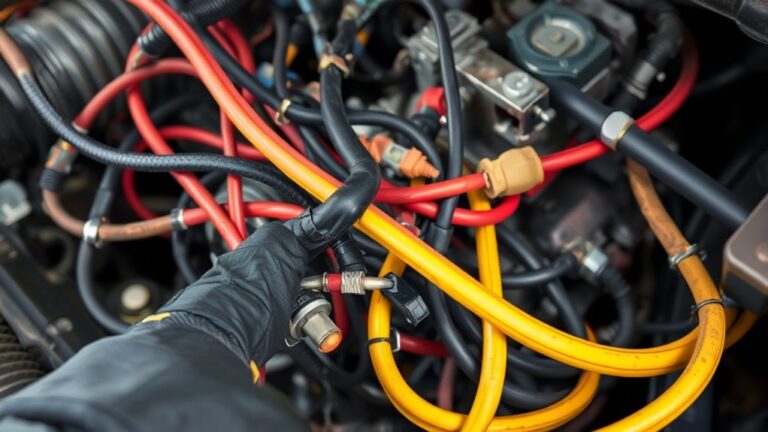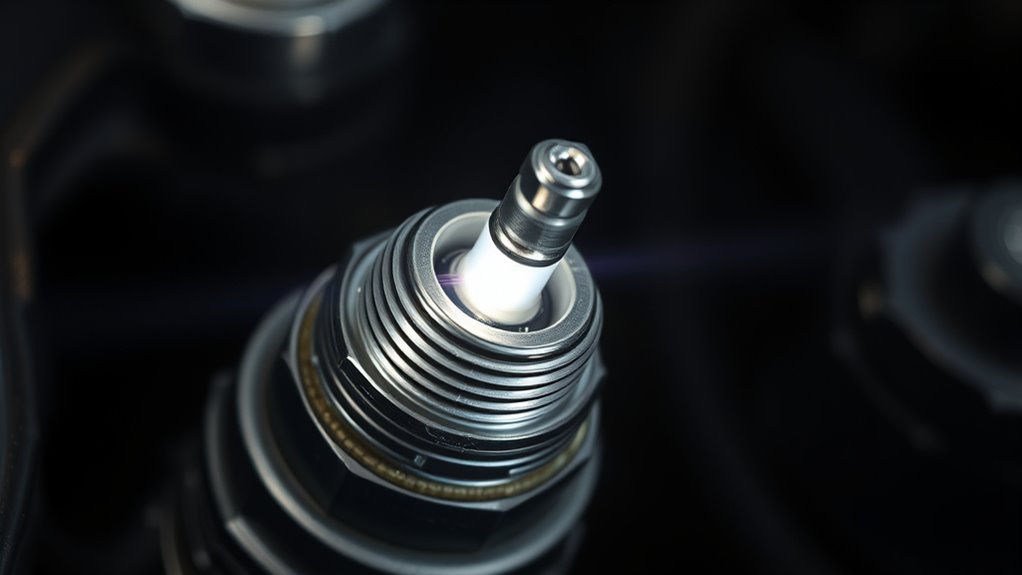
What Do Spark Plugs Do? Essential Role Explained Simply
Are you tired of struggling with a sluggish engine, rough idling, or difficulty starting your car? You’re not alone—many people face these frustrating issues, often caused by a small but crucial part: spark plugs.
Spark plugs are essential parts of your engine that create the sparks needed to ignite the fuel-air mixture inside the cylinders, helping your car start and run smoothly. They fire at just the right moment, ensuring efficient combustion.
This efficient combustion improves performance, fuel economy, and reduces emissions.
Worn or faulty spark plugs can cause misfires, rough idling, or difficulty starting your vehicle. To keep your engine running well, it’s helpful to know how they work and when to replace them.
Key Takeaways
- Spark plugs ignite the air-fuel mixture in engine cylinders to start and power the vehicle. They basically kickstart the engine’s process of running.
- They produce reliable sparks at just the right moments, which helps the engine run smoothly. Timing is key for good performance.
- When spark plugs work properly, they make the combustion process efficient. This helps your car use fuel better and keeps emissions lower.
- Good spark plugs prevent engine misfires, stumbles, and power loss, so your engine stays reliable and runs better.
- Overall, spark plugs are essential for your engine’s performance, its lifespan, and the overall efficiency of your vehicle.
What Are Spark Plugs and How Do They Work?
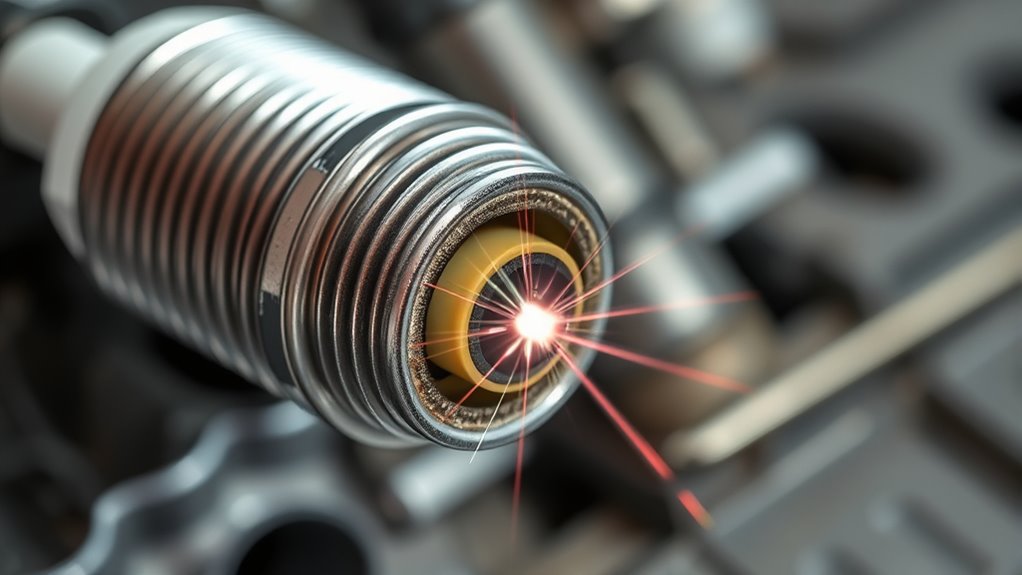
Have you ever wondered how your vehicle’s engine ignites to keep you moving? Spark plugs play a crucial role in that process. They create a small spark at just the right moment, igniting the air-fuel mixture inside the engine cylinders.
Spark plugs ignite the air-fuel mixture, powering your engine smoothly and efficiently.
This tiny spark ensures smooth combustion, which directly impacts your engine’s power and efficiency. When spark plugs work properly, your engine performs at its best, giving you reliable acceleration and a better driving experience.
It also affects fuel efficiency because efficient combustion uses less fuel to generate the needed power. Without properly functioning spark plugs, your engine can stumble, misfire, or lose power, reducing overall engine performance.
Choosing the right spark plug helps maintain that perfect balance for smooth operation. So, these small components are more than just ignition parts—they’re essential for keeping your engine running efficiently and reliably.
Spark Plug Components: What Makes a Spark Plug Function?
A spark plug’s central electrode is what actually creates the electrical arc that ignites the fuel mixture inside your engine. It’s pretty much the heart of the spark plug’s design because it directly influences how well your engine runs.
Then, there’s the insulator, which surrounds the electrode. Its job is to prevent unwanted sparks and make sure the voltage is directed properly to produce a reliable spark. Without a good insulator, the spark plug wouldn’t function effectively.
Finally, the terminal connection is what links the spark plug to your ignition system. It transmits the electricity needed to create that spark, completing the circuit so your engine can start and run smoothly.
Central Electrode Structure
The central electrode is a key part that directs the spark to ignite the air-fuel mixture in your engine. Its design affects how well the spark is produced and kept going.
Electrode designs vary to boost performance, with features like sharp edges or extended points to make sparks jump better. Material durability is just as crucial, ensuring the electrode can handle high temperatures and vibrations without wearing out.
The choice of material impacts how long the electrode lasts and its reliability. Here’s a quick comparison:
| Electrode Design | Material Durability |
|---|---|
| Sharp, fine tip | Platinum, Iridium, Copper |
| Extended tip | High-temperature alloys |
| Rounded edge | Resistant to wear |
A well-made structure keeps sparks consistent, which improves engine efficiency and extends its lifespan.
Insulator Material Role
The insulator material is key in stopping unintended electrical discharges and ensuring the spark jumps correctly between the central and ground electrodes.
This part needs to handle high temperatures and electrical stress without breaking down. Its durability is vital for keeping performance steady over time, avoiding misfires, and preventing costly engine damage.
Heat resistance helps the insulator resist cracking or melting when things get really hot in the engine. High-quality insulators are usually made from ceramic compounds that are both tough and heat-resistant.
Terminal Connection Function
Inside the spark plug, the terminal connection is the key link between the ignition system and the core components that generate the spark. It connects to the ignition wire and conducts electrical current to create the spark across the gap.
Proper connection ensures the spark plug receives the correct polarity, which affects spark efficiency and engine performance. If the terminal isn’t secure or properly aligned with battery connections, it can cause misfires or weak sparks.
| Key Aspect | Explanation |
|---|---|
| Battery Connections | Provide the electrical power needed for ignition |
| Spark Plug Polarity | Ensures the current flows correctly for a strong spark |
| Connection Security | Essential for consistent, reliable spark delivery |
How Do Spark Plugs Ignite the Fuel-Air Mixture?
When the engine is running, spark plugs play a vital role in igniting the fuel-air mixture. They do this by generating a high-voltage electrical spark across a small gap.
When the ignition system sends a voltage spike to the spark plug, it jumps the gap and creates a spark. This spark ignites the compressed fuel and air in the combustion chamber, starting combustion.
Proper ignition guarantees clean air quality emissions, reducing pollutants released into the environment. It also helps minimize engine noise, since smooth combustion produces less knocking or irregular sounds.
The timing of the spark is crucial; it must happen at just the right moment to maximize power and efficiency. A consistent spark quality ensures complete fuel combustion, improving engine performance and fuel economy.
Signs Your Spark Plugs Need Replacing
If your engine starts running roughly or stalls unexpectedly, it could be a sign your spark plugs are wearing out. Worn spark plugs can cause poor acceleration, misfires, or difficulty starting your car. Keep an eye on these signs:
| Symptom | What It Means |
|---|---|
| Sluggish acceleration | Spark plugs might be fouled or worn out |
| Rough idling | Spark plugs aren’t firing properly |
| Increased fuel use | Worn plugs lead to inefficient combustion |
| Trouble starting | Your spark plugs may need replacing |
| Engine misfire | Spark failure affects the ignition process |
Regular battery maintenance and keeping your tire pressure in check can help your engine run smoothly. But replacing your spark plugs when needed keeps everything firing on all cylinders.
Don’t ignore these signs—they’re your car’s way of telling you to check the sparks.
When and How Often to Replace Spark Plugs
Your vehicle’s owner’s manual has the usual guidelines on when to replace spark plugs, so it’s a good place to start. But sometimes, you might notice certain signs that tell you it’s time for fresh ones—things like misfires or your engine running rough. Those little clues can be pretty helpful.
How often you need to replace them can also depend on how you drive. If you’re always taking short trips or doing a lot of aggressive acceleration, your spark plugs might wear out faster. Keeping an eye (and an ear) out for these signs can help ensure your engine stays running smoothly and efficiently.
Recommended Replacement Intervals
Spark plugs typically need to be replaced at regular intervals to keep your engine running smoothly and efficiently. Most manufacturers recommend replacing them every 30,000 to 50,000 miles, but this varies based on your vehicle and spark plug type.
Regular replacements help maintain *ideal* fuel efficiency by ensuring proper ignition timing and combustion. *Furthermore*, fresh spark plugs support emission control by reducing unburned fuel and harmful gases.
If you notice a drop in fuel economy or increased emissions, it might be time to check and replace your spark plugs sooner. Consult your vehicle’s owner manual for specific interval recommendations.
Keeping up with these replacements not only improves your engine’s performance but also helps keep emissions in check. This can save you money and help you stay eco-friendly.
Signs of Wear and Tear
Over time, signs of wear and tear on your spark plugs become clear through engine performance issues, showing it’s time to replace them. Spark plug designs have improved a lot, but even the most advanced ones wear out eventually.
Common signs include misfires, rough idling, lower fuel efficiency, and difficulty starting your vehicle. Early spark plugs needed frequent changes, but modern ones typically last around 30,000 miles or as recommended by your vehicle’s manual.
If you notice these issues, check your spark plugs for fouling, corrosion, or worn electrodes. Regular inspections can help prevent engine damage and keep your engine running at its best.
Replacing spark plugs on time ensures your engine runs smoothly and efficiently, avoiding unnecessary wear on other parts.
Impact of Driving Habits
Have you ever wondered how your driving habits influence the lifespan of your spark plugs? Your driving style plays a big role in when you should replace them.
Aggressive acceleration, frequent short trips, and rapid deceleration put extra strain on your spark plugs, causing them to wear out faster. Smooth, steady driving helps keep fuel efficiency high and extends spark plug life.
Consider these factors:
- Aggressive driving shortens spark plug lifespan
- Frequent short trips lead to carbon buildup
- Idling for long periods can hurt performance
- Consistent highway driving promotes longevity
Knowing when to replace your spark plugs depends on how you drive. Usually, checking them every 30,000 miles is a good idea, but if you’re aggressive behind the wheel, you might need to replace them sooner to keep your car running smoothly.
Factors That Affect Spark Plug Performance and Longevity
Several factors influence how well your spark plugs perform and how long they last. One key aspect is spark plug design, which affects how efficiently your engine ignites the fuel mixture.
A well-designed spark plug ensures reliable sparks, smoother running, and better fuel efficiency. Poor design can lead to misfires, incomplete combustion, and increased fuel consumption.
Another factor is the quality of the spark plug material, which impacts durability and resistance to fouling or corrosion.
Driving habits, such as frequent short trips or aggressive acceleration, can cause carbon buildup and wear out plugs faster. Moreover, fuel quality plays a role; contaminated or low-grade fuel can leave deposits that hinder performance.
Regular maintenance, including timely inspections and replacements, helps prevent issues caused by these factors. By understanding what influences spark plug longevity, you can ensure your vehicle runs efficiently, saves fuel, and maintains smooth operation over time.
Types of Spark Plugs: Which One Is Right for Your Car?
Choosing the right type of spark plug for your car is essential to guarantee peak engine performance and efficiency. The variety of spark plugs available can be confusing, especially with persistent spark plug myths that suggest one type suits all. Your choice impacts fuel efficiency, responsiveness, and engine longevity.
Consider the following options:
- Copper Spark Plugs: They are cost-effective and a good starter option, but tend to wear out faster.
- Iridium Spark Plugs: They last longer, are great for fuel efficiency, and work well with high-performance engines.
- Platinum Spark Plugs: Known for durability and stable performance, making them suitable for many modern vehicles.
- Double Platinum or Iridium: These are designed for extended life in specific vehicle models.
Choosing the correct spark plug depends on your car’s specifications and driving habits. Don’t fall for spark plug myths like thinking that a more expensive one automatically means better fuel efficiency.
It’s best to consult your owner’s manual or a mechanic to find the perfect match. This way, you ensure your engine runs smoothly and efficiently.
Troubleshooting Spark Plug Problems: Common Issues and Fixes
If your engine is misfiring or running rough, chances are your spark plugs could be the culprit. It’s pretty common, and knowing the usual causes of misfiring can really help you figure out what’s going on quicker. Once you identify the problem, you can fix it more easily and get your engine back to smooth sailing.
And the good news is, there are simple prevention strategies you can use to keep your spark plugs—and your engine—running smoothly for longer.
Causes of Misfiring
Have you ever experienced your engine misfiring while driving? Misfires can happen due to issues with your spark plugs. Worn or fouled spark plugs often fail to ignite the fuel-air mixture properly, causing rough idling and lower engine performance.
Damaged spark plug wires or coils can also disrupt the spark delivery, leading to misfires. Poor fuel quality or an incorrect air-fuel mixture might be to blame too, which can affect fuel efficiency.
To troubleshoot, check for deposits on the spark plug electrodes, or cracks and damage on the spark plug insulators. Make sure connections are tight and free of corrosion, and verify the spark plug gap is correct.
Fixing these problems early can boost your engine’s performance and fuel efficiency, and help prevent further damage to your spark plugs or engine parts.
Repair and Prevention Strategies
Regularly inspecting and maintaining your spark plugs can prevent many common issues that cause misfiring. Follow maintenance routines like checking for carbon deposits, wear, and proper gap spacing.
Clean or replace worn spark plugs promptly to guarantee consistent combustion. Using high-quality spark plugs suited to your vehicle can also improve fuel efficiency.
Avoid neglecting simple fixes, such as tightening loose wires or replacing damaged boots, which can cause weak sparks. Keep your ignition system in top shape by regular checks and timely replacements.
Proper maintenance reduces the risk of misfires, rough idling, and poor fuel economy. By staying proactive and attentive to spark plug health, you extend their lifespan and keep your engine running smoothly.
This saves you money and helps prevent breakdowns.
How to Replace Spark Plugs Step-by-Step
Replacing spark plugs is a straightforward process you can do with basic tools, but it’s important to follow each step carefully to keep your engine running smoothly. First, make sure your engine is cool to prevent burns and injuries.
Next, locate the spark plugs in your engine bay. Carefully remove the ignition coils or wires from each plug, taking your time to avoid damaging them. Then, use a spark plug socket and ratchet to unscrew and remove the old plugs.
Before installing new ones, check their gap using a feeler gauge to ensure proper performance. Thread the new plugs in by hand to avoid cross-threading, then tighten them with a socket. Finally, reattach the ignition coils or wires securely.
Keep in mind, spark plug technology has evolved over the years, and future innovations will bring even better efficiency. To boost your knowledge:
- Use the right tools for each step
- Keep track of the firing order
- Avoid overtightening the plugs
- Check your owner’s manual for specifications
Tips for Choosing the Best Spark Plugs for Your Vehicle
Choosing the right spark plugs for your vehicle involves considering several key factors to guarantee maximum performance.
First, think about your vehicle’s specifications and what the manufacturer recommends. Knowing the spark plug history helps; older designs focused on basic performance, while modern advancements now include Iridium or Platinum tips for longer durability and efficient firing.
Check your owner’s manual for the correct size, heat range, and gap setting. Mismatched plugs can cause misfires or reduce fuel efficiency, so make sure they fit properly.
Consider your driving habits—if you often tow or drive in extreme conditions, high-performance plugs might be a good choice. Price is important, but don’t sacrifice quality for cost.
Investing in reputable brands and the latest technology ensures better longevity and reliability. Ultimately, choosing the best spark plugs means balancing your vehicle’s needs with features like durability, performance, and compatibility.
This helps you optimize your engine’s function effectively.
Frequently Asked Questions
Can Faulty Spark Plugs Cause Your Engine to Misfire?
Yes, faulty spark plugs can cause your engine to misfire. When spark plugs foul or wear out, they disrupt ignition timing, preventing the engine from firing smoothly.
This misfire can lead to rough idling, power loss, and decreased fuel efficiency. Often, fouled spark plugs cause poor spark production, which further affects ignition timing.
Replacing or cleaning your spark plugs helps restore proper ignition timing and prevents misfiring issues.
Are Platinum Spark Plugs More Durable Than Standard Ones?
Imagine your engine’s heartbeat, steady and strong. Platinum spark plugs boost its longevity like a resilient guardian. Yes, they’re more durable than standard ones thanks to advanced coatings that resist wear.
Their platinum core withstands higher temperatures and harsh conditions, keeping your engine running smoothly longer. By choosing platinum, you’re investing in a silent protector for your vehicle.
It helps maintain reliable performance and reduces the need for frequent replacements.
How Do Spark Plugs Impact Fuel Efficiency?
Spark plugs directly impact your vehicle’s fuel efficiency by ensuring peak combustion. When they fire properly, fuel economy improves because the engine runs smoothly and burns fuel completely.
Worn or inefficient spark plugs can cause misfires and incomplete combustion, which wastes fuel. Keeping your spark plugs in good condition or upgrading to high-quality ones can make a real difference.
Can You Clean and Reuse Used Spark Plugs?
You can clean and reuse your spark plugs, but it’s not always worth it. Imagine trying to revive a worn-out battery; sometimes, the residual electrode corrosion and spark plug residue mean they’re past their prime.
Carefully inspecting and cleaning the electrodes can improve performance, but if the corrosion is deep or the residue extensive, replacing them guarantees reliable sparks and ideal engine function.
Often, new plugs offer peace of mind.
Do Cold Weather Conditions Affect Spark Plug Performance?
Cold weather conditions can affect how spark plugs perform because lower temperatures can interfere with the ignition process.
You might notice harder starts or rough idling during cold weather. When it gets really cold, spark plugs may have a tough time igniting the fuel-air mixture efficiently, especially if they’re worn or dirty.
To keep your engine running smoothly, consider using colder spark plugs designed for winter conditions. It’s also a good idea to inspect your current ones for signs of wear.
Conclusion
Understanding your spark plugs helps guarantee your engine runs smoothly. Think of them as the heartbeat of your car’s ignition system. Without them, your engine can’t start or run efficiently.
The truth is, regular maintenance and selecting the right spark plugs can prevent costly repairs and keep your vehicle humming. So, treat them with care. A well-maintained spark plug isn’t just about performance; it’s about safeguarding your driving experience.