Whirring Noise After Engine Off: Causes & Solutions
Are you tired of hearing that strange whirring noise after turning off your engine? Many drivers have been there, feeling frustrated or worried about what it could mean. You’re not alone—this common issue can be confusing, but understanding its causes can help you take the right steps.
A whirring noise after turning off your engine might come from cooling fans, relays, or the alternator still running or retaining residual movement.
Other causes can include worn belts, misaligned pulleys, or debris on fan blades. Sometimes, the air conditioning system or residual electrical charge causes this noise.
If these sounds persist or worsen, it’s best to get them checked out promptly. If you want to find out more about diagnosing and fixing these issues, keep exploring.
Key Takeaways
- Residual activity from the cooling fan or electric pump can keep making noise even after you turn off the engine.
- Worn or misaligned pulleys and loose belts might cause persistent mechanical sounds once the engine stops.
- Cooling systems for coolant or refrigerant may still be running, leading to ongoing whirring noises.
- Faulty relays, sensors, or electrical parts can also cause fans or pumps to keep working longer than they should.
- Regular maintenance of belts, pulleys, and fluid levels is key to preventing and fixing post-engine-stop noises.
Why Does My Car Make a Whirring Noise After Turning Off?
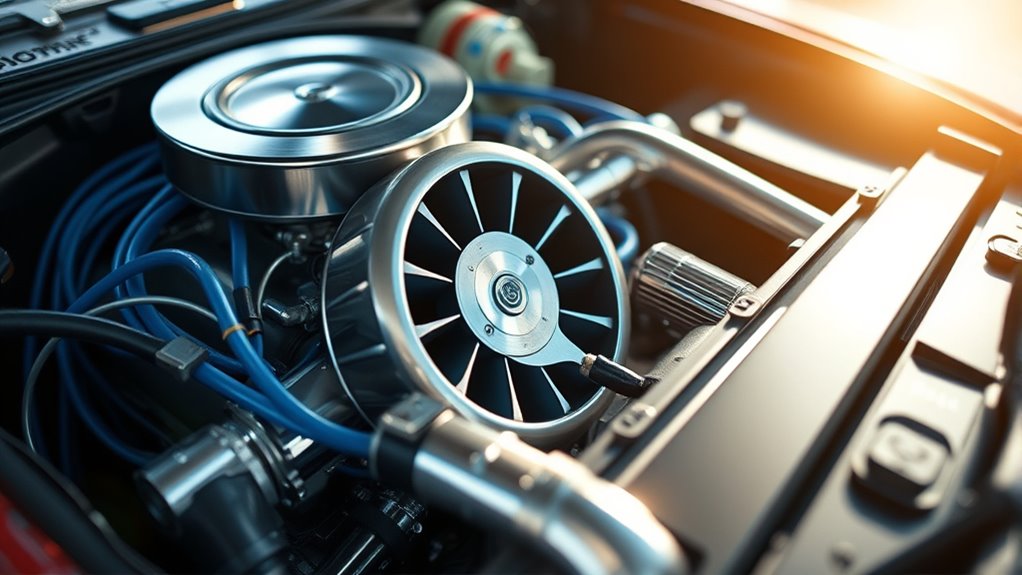
When you turn off your car and hear a whirring noise afterward, it’s usually caused by the cooling fan or the electric pump still running for a short time to cool down certain parts.
This noise can also be related to the engine oil circulation, which keeps the engine parts lubricated even after you shut off the engine. If the oil is thick or there’s debris, it might slow down cooling, making the fan or pump run longer.
Improperly inflated tires can affect your engine’s performance, leading to tiny vibrations or noises that might seem connected to the cooling system.
While this whirring sound is usually normal, it’s a good idea to make sure your tire pressure is at the recommended level and your oil is up to date. This helps prevent overheating or unnecessary strain on your cooling fans.
If the noise lasts longer than usual, it’s best to have your vehicle checked to prevent potential issues with these components.
How to Identify if Cooling Fans Are Causing the Noise
To determine if the cooling fans are causing the noise after you turn off your car, start by listening closely as the engine cools down. If you hear a persistent whirring or buzzing, it could be the cooling fans still running.
Check for signs like coolant leaks near the radiator or hoses, which might mean the fans are overworking to keep things cool. Also, listen for rattling sounds from the exhaust that might sound like fan noise, but irregular or metallic vibrations are more likely from the fans.
Sometimes faulty sensors or relay issues cause the fans to stay on longer than usual, creating these noises. If the noise continues after the engine has cooled, inspect the fan blades for debris or damage, as that can cause unusual sounds.
Understanding these clues helps you figure out whether your cooling fans are the culprit.
Is the Alternator Responsible for That After-Engine-Stop Whirring?
You might be curious if the alternator is behind that whirring sound you hear after turning off the engine. Sometimes, the mechanical parts inside the alternator, like the pulley and belt, can still make noise even when the engine has stopped. It’s pretty common for those parts to keep spinning a little, especially if the engine was running hard.
Plus, there might be some residual electrical charge left in the system, which can cause that faint spinning noise for a little while. Usually, it’s not something to worry about, but if the noise keeps going or seems unusual, it’s a good idea to have it checked out.
Alternator’s Mechanical Components
The alternator’s mechanical parts, like its internal bearings and pulley system, can sometimes make that after-engine-stop whirring sound. Worn or loose bearings might cause a constant noise, especially if engine vibrations have loosened parts over time.
The pulley system’s tension can also create a whirring noise, which could be mistaken for radio interference. This sound might fluctuate with engine movement, making it harder to pinpoint.
When the alternator’s internal parts aren’t moving smoothly, they produce vibrations that resonate after you turn off the engine. This can lead to a lingering, high-pitched noise that continues until the parts settle down.
Getting the alternator checked for worn bearings or loose pulleys through proper inspection can help eliminate that whirring sound and prevent more damage down the line.
Residual Electrical Charge
The alternator still supplies a small electrical current, similar to how solar panels can trickle energy into devices during low sunlight. This residual charge can cause relays or other components to hum or whir briefly after shutting down.
While usually harmless, if the noise keeps going, it could mean there’s a buildup of electrical charge or a faulty relay. To fix it, you might need to check your wiring or disconnect the battery briefly—like resetting sensors in advanced navigation systems.
Could the Air Conditioner Be Making the Unusual Sound?
Unusual sounds coming from your air conditioner might mean there’s a problem, especially if you’re hearing engine-like noise after turning off your vehicle. When your AC is working, it compresses refrigerant, which can sometimes make noises that carry over after you shut down the engine.
A common cause is debris buildup or a clogged cabin filter. This can strain the system and lead to strange sounds like buzzing or clicking. If the cabin filter gets dirty or blocked, the AC has to work harder, which can cause these noises even after you turn off the engine.
Sometimes, the compressor or condenser might still be active or cooling refrigerant, producing a faint whirring sound. Regularly replacing your cabin filter and keeping the AC system clean and maintained can help prevent these noises.
If the sound continues, it’s best to have a professional check out your AC components to identify and fix any issues.
Inspecting Belts and Pulleys for Noises After Shutdown
First off, take a moment to check the belt tension. You want to make sure it’s not too tight or too loose because either of those issues can lead to noises after you shut down the system. Once you’ve got that sorted, then take a look at the pulleys themselves. Misaligned pulleys are often the culprit behind squeaks or grinding sounds, so it’s worth making sure they’re straight.
Finally, don’t forget to inspect the belts and pulleys for any signs of wear and tear, like cracks, fraying, or worn edges. Worn parts can cause all sorts of noise problems, especially after shutdown. A quick check here can save you from bigger issues down the line.
Belt Tension Check
Ever wonder if loose or worn belts are causing engine noise after shutdown? Start by checking the serpentine belt’s tension; it should be firm and not slip easily.
A loose belt can cause noise as it vibrates against pulleys, especially when the engine is off but parts are still cooling down.
While inspecting, look for cracks, fraying, or glazing on the belt surface. Worn belts can misalign, affecting other components like spark plugs, which influence engine performance.
Also, confirm the belt isn’t too tight, which can stress bearings and wear out engine oil seals prematurely. Proper tension helps keep engine noise minimal.
Regularly inspecting and adjusting belt tension is vital for avoiding unnecessary noise and ensuring smooth operation after shutting off the engine.
Pulley Alignment Issues
Misaligned or loose pulleys can cause engine noise after shutdown. They may wobble or vibrate against belts, creating a squealing or rattling sound.
You might notice this noise after turning off the engine, especially if belts are slipping. Check for signs of pulley misalignment or wobbling, which can increase belt wear or even lead to battery corrosion if the alternator pulley isn’t aligned properly.
Misaligned pulleys can also cause exhaust backfire by disrupting airflow and causing combustion issues. Use the following table to assess pulley conditions:
| Condition | Indicator |
|---|---|
| Misalignment | Wobbling or uneven pulley rotation |
| Loose pulley | Excessive movement or rattling |
| Worn or damaged pulley | Cracks, corrosion, or uneven wear |
Wear and Tear Signs
Identifying signs of wear and tear on belts and pulleys is essential when diagnosing engine noise after shutdown. Worn belts may look cracked, glazed, or frayed, and pulleys might wobble or have uneven wear. This can cause the whirring noise you hear.
Check your engine oil level because low oil can increase friction and make belt and pulley problems worse. Also, inspect your spark plugs. If they’re worn or faulty, they can cause irregular engine operation, which indirectly affects belt tension and noise.
Misaligned or loose pulleys often produce squeaking or grinding sounds after turning off the engine. Regularly examining these components helps you catch early problems, preventing more serious damage. This keeps your engine running smoothly and quiet after you shut it off.
Signs Your Noise Is a Serious Problem or Just Normal
Sometimes, it can be tricky to tell whether the noise your engine makes after turning off is normal or a sign of a deeper problem. Pay attention to certain signs that can help you decide.
If you notice a loud, persistent whirring sound that doesn’t fade quickly, it might indicate an issue with engine components or cooling systems.
Changes in engine oil levels or unusual warmth in the engine area could signal internal problems.
If you’ve recently checked your tire pressure and it’s low, this could affect vehicle stability but may also relate to overall mechanical health.
Any new or worsening noises combined with warning lights or decreased performance suggest that this isn’t just normal cooling sounds but a potential serious problem needing professional attention.
How to Troubleshoot and Fix the Whirring Sound After Turning Off
If you’re hearing a persistent whirring sound after turning off your engine, start by listening carefully to find out where it’s coming from. Check if the noise seems to come from near the engine, cooling system, or air filters.
Sometimes, synthetic lubricants in your engine can cause parts like the cooling fan or oil pump to keep running longer after shutdown, which creates that whirring sound. It’s also a good idea to inspect your air filter—clogged filters can make the engine work harder and increase residual noise.
If the noise seems related to the fan, you might need to replace worn or unbalanced fan blades or sensors. Also, double-check if your synthetic lubricants are being applied correctly. Improper lubrication can cause parts to stick or spin unevenly.
Regular maintenance, like cleaning your air filter and ensuring proper lubrication, can help reduce or eliminate this noise. If the whirring continues, it’s best to consult a mechanic for a proper diagnosis.
When Should I See a Mechanic About Engine Noises?
You should see a mechanic about engine noises if they stick around despite regular maintenance or if you notice sudden changes in how loud or pattern they are. Weird sounds can be a sign of issues that affect your car’s performance and safety.
Think about heading to a mechanic if:
Consider visiting a mechanic if your engine makes unusual noises or your car’s performance seems off.
- Your fuel efficiency suddenly drops, which could mean your engine is working harder than it should.
- You see inconsistent tire pressure, as this can lead to unusual engine sounds from misalignment or imbalance.
- The noise gets worse or doesn’t stop even after turning off the engine, pointing to a mechanical problem that needs checking.
- The engine sounds change suddenly while you’re driving, possibly indicating problems with the cooling system or airflow.
Dealing with these signs early can save you from costly repairs and help keep your car running smoothly. That way, your engine stays quiet and efficient.
Tips to Prevent Unusual Sounds: Maintenance Checks for Your Vehicle
Regular maintenance is key to preventing unusual engine noises. First, check your tire pressure regularly, making sure it matches your vehicle’s recommended levels. Proper tire pressure helps reduce strain on the engine and keeps components from working harder than they should, which can cause odd sounds.
Also, keep an eye on your oil viscosity. Using the right oil type and changing it at the recommended intervals keeps the engine lubricated smoothly. Fresh, suitable oil minimizes friction and prevents components from squealing or whining after you turn off the engine.
Next, inspect your exhaust system for leaks or damage and listen for any abnormalities. Tighten loose belts and check clamps, as these can cause whining sounds. Keeping your vehicle in top shape through routine checks and quick fixes can help you avoid strange noises that could signal bigger problems.
What to Do if the Whirring Comes Back or Gets Worse
If the whirring noise comes back or sounds worse, first take a quick look under your hood to see if anything seems loose or out of place. Sometimes, a simple tightening can do the trick.
But if everything looks fine and the noise keeps going, it’s probably a good idea to get it checked out by a professional sooner rather than later. Ignoring that sound could lead to bigger engine problems down the road, so it’s better to be safe and have it looked at promptly.
Check for Loose Components
When the whirring noise returns or worsens, suspect that loose components might be causing the issue. Look for small but noticeable signs like uneven tire pressure or low engine oil, which can be related to loose or vibrating parts.
- Check belts and hoses—loose or worn belts often make a steady whirring sound after the engine is off.
- Make sure your engine oil levels are adequate. Low oil can cause parts to move improperly.
- Ensure your tires are inflated correctly. Under-inflated tires can cause vibrations that linger after shutting off the engine.
- Tighten any loose bolts or fittings on engine accessories to prevent ongoing vibrations or noise.
Fixing these issues helps eliminate unwanted noise and keeps your vehicle running smoothly.
Seek Professional Inspection
As the whirring noise continues or gets worse despite your troubleshooting, it’s important to get a professional inspection quickly. A mechanic can identify issues like low engine oil, faulty turbo parts, or other hidden problems. Ignoring these sounds could lead to more serious damage and expensive repairs.
When you visit the technician, be ready to describe if the noise gets louder or if you notice any drop in how your car runs. They’ll check components that might be causing the sound, such as the turbo or oil system. Being detailed helps in getting to the root of the problem faster.
Frequently Asked Questions
Can a Leaking Cooling System Cause a Whirring Noise After Engine Stops?
Yes, a leaking cooling system can cause a whirring noise after the engine stops. When the coolant leaks, it can create uneven pressure and mess with the cooling system’s normal operation.
This puts extra strain on engine parts, which might make unusual sounds. Once the engine is off, these noises could continue as the system tries to stabilize or as residual pressure is released.
Fixing the leak can help get rid of the noise and restore proper function to the cooling system.
Does an Aftermarket Part Installation Affect Post-Shutdown Engine Sounds?
Yes, aftermarket modifications can affect post-shutdown engine sounds. When you install aftermarket parts, they often change how the engine sounds, making it louder or adding new noises.
You might notice whirring or buzzing sounds after you turn off the engine. These changes happen because aftermarket parts can alter airflow, exhaust flow, or other engine dynamics.
As a result, the engine sounds may be different and can persist briefly even after shutting down.
How Long Is Normal for Cooling Fans or Accessories to Whirr After Turning Off?
Cooling fans can keep running for a short time after you turn off your engine, as part of the cooling process. Usually, they stay on for about 30 seconds to a few minutes to help cool down the engine.
This helps prevent overheating and protects engine components. If the fans run much longer than that or keep going unexpectedly, it might be a sign of something wrong with your cooling system.
In that case, it’s a good idea to get it checked out by a professional to avoid any potential issues.
Could a Low Battery Cause Unusual Noises After Engine Shutdown?
A low battery can indeed cause unusual noises after shutting down your engine. While it’s not very common, a drained battery might lead to electrical issues that cause components like fans or relays to whir unexpectedly.
Think of the noise as a warning sign — a simple sign that your battery is tired and struggling to power your vehicle’s electronics. Addressing the low battery can stop those odd sounds and prevent further electrical problems.
Are There Specific Driving Conditions That Increase Post-Engine Shutoff Noises?
Driving conditions like rapid acceleration, deceleration, or driving on rough or uneven terrain can increase post-engine shutoff noises.
These sounds often come from fuel system components adjusting to pressure changes or exhaust resonances that happen as the system cools and contracts.
When you’re in these situations, you might notice more noticeable whirring sounds after turning off your engine, especially if the system is under extra strain or temperature swings.
Conclusion
Think of your car as a complex orchestra; every sound, including that whirring after shutdown, is a note that needs checking. By understanding its instruments, like fans, belts, and alternators, you can keep the harmony smooth.
Regular maintenance is your conductor, making sure everything plays in tune. When that whirring noise returns or gets worse, don’t hesitate to call in a pro.
Keeping your vehicle’s sounds in check is like maintaining a finely tuned symphony. Peaceful, reliable, and ready to start whenever you are—that’s the goal when addressing issues like the whirring noise after engine off.