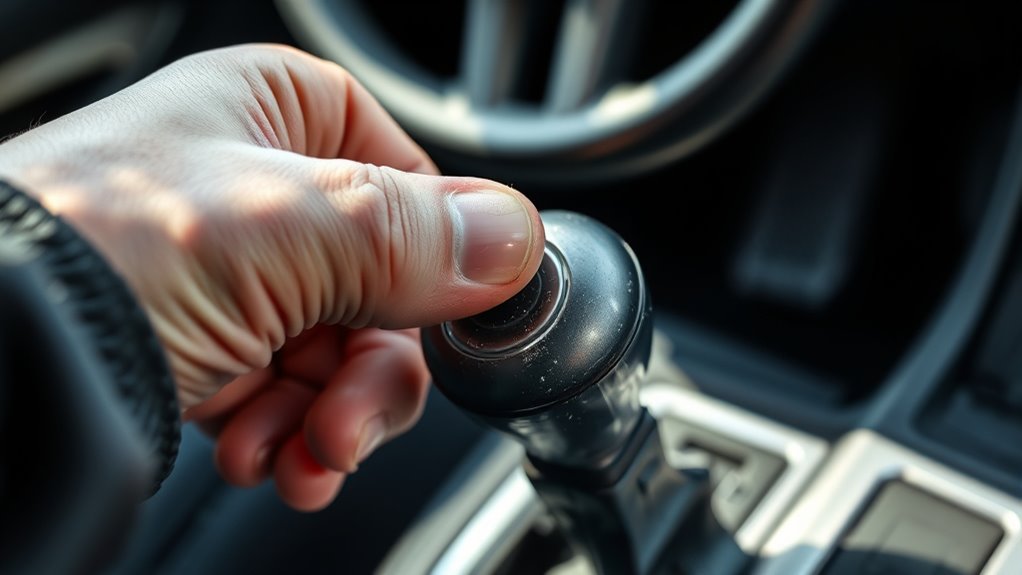
Troubleshooting Rattling Sounds in Manual Transmission When Accelerating at Low Speeds
Many drivers know the frustration of a manual transmission car rattling when you accelerate at low speeds. You’re not alone—this common issue can be nerve-wracking and hard to diagnose.
Thankfully, a few simple checks can often pinpoint the cause.
If your manual car rattles when you accelerate at low speeds, start by inspecting the exhaust system for leaks or damage, as rust and cracks can cause noise.
Check your clutch, flywheel, and transmission fluid levels and quality, since worn components or low fluid can create vibrations.
Test the drive shaft and CV joints for play or damage, and examine gearbox bearings for wear.
If the noise persists, there are more steps to take to pinpoint the cause—discover what else to check for better results.
Key Takeaways
- Inspect engine mounts and suspension components for wear or damage that could cause vibrations during acceleration.
- Check the clutch, flywheel, and transmission for signs of wear or loose parts that might create rattling noises.
- Listen for exhaust system leaks or cracks which could be making noise at low speeds.
- Verify the transmission fluid levels and condition to see if they could be causing gearbox-related rattling.
- Test drive with the vehicle lifted to examine the drive shaft and CV joints for play or clicking sounds.
Why Is My Manual Car Rattling When I Accelerate?
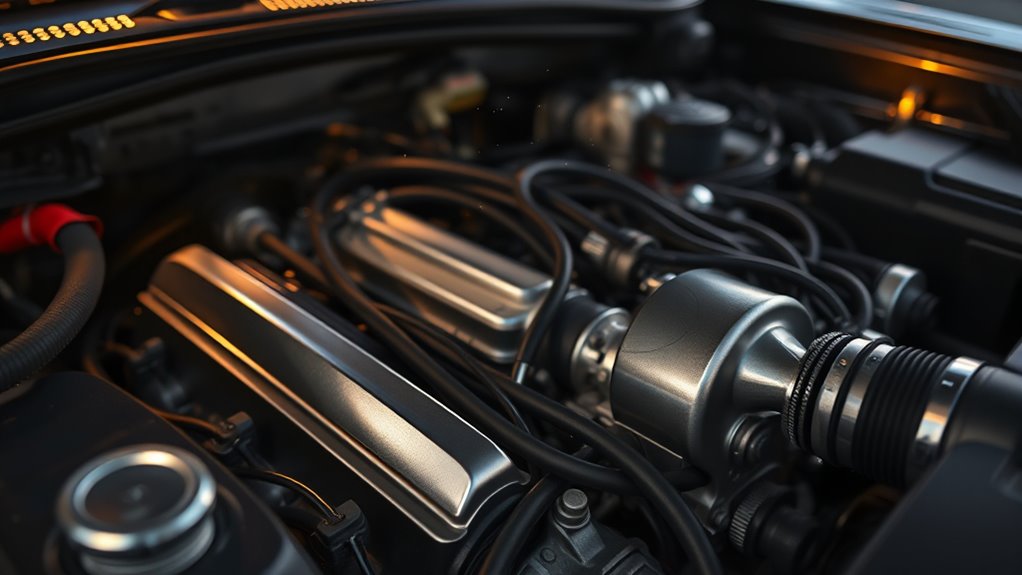
When your manual car starts rattling during acceleration, it’s usually a sign that something inside the transmission or engine isn’t working right. One common cause is loose or worn engine components that vibrate inside, creating a rattling sound as you press the gas pedal.
An engine misfire could also be to blame, especially if the cylinders aren’t firing evenly. This can lead to rough acceleration and noise, which might get worse as you increase speed or engine load. Sometimes, this rattling comes from issues like a failing spark plug, dirty fuel injectors, or ignition timing problems.
Pay attention to any other symptoms like reduced fuel efficiency or loss of power. Addressing the cause early on is key to preventing more serious damage. Don’t ignore that persistent rattling noise — proper maintenance and regular inspections can help restore smooth and quiet engine operation.
How to Check Your Exhaust System for Leaks or Damage
First off, take a good look at your exhaust system and see if there’s any obvious damage like dents or broken pieces. Sometimes, a simple visual check can reveal issues you might not feel right away.
Next, get close and listen carefully—if you hear a hissing sound, that could be a sign of a leak, especially around the joints and connections. It’s a good idea to pay close attention to those spots.
Finally, keep an eye out for rust or cracks. These can weaken the system over time and might lead to rattling noises when you’re driving. Catching these early can save you a lot of hassle later on.
Inspect Visible Exhaust Damage
Your exhaust system is essential for engine performance and safety, so inspecting it regularly for visible damage is a crucial step. Start by examining the exhaust pipe for any cracks, holes, or black soot, which indicate leaks.
Look closely for rust corrosion, especially around joints and brackets, as rust weakens metal and can cause parts to break or fall off. Check for loose or hanging sections that might rattle or drag when driving.
Rust and corrosion are often visible on the surface, making it easy to spot areas that need attention. Make sure to inspect the entire length of the exhaust system, including the muffler and connections, for any signs of damage or deterioration that could cause rattling sounds when accelerating.
Listen for Hissing Noises
Listening carefully to your exhaust system can reveal problems that aren’t visible on the surface.
When you hear a faint hissing noise, it often means there’s a leak in the exhaust.
Move closer to the rear of your vehicle while it’s idling to catch the sound, and pay attention to any persistent hiss.
An engine noise that sounds sharper or different might be a leak escaping and causing a cabin echo.
This hissing can happen around joints, pipes, or the muffler.
Keep in mind that even small leaks can impact how your engine runs and lead to more emissions.
If you spot a steady hissing, don’t ignore it—fixing exhaust leaks early can prevent bigger problems and keep your vehicle running smoothly.
Check for Rust or Cracks
Rust and cracks are common signs of damage in your exhaust system that can cause leaks. To inspect for rust, look for flaking paint, bubbling, or discoloration on metal surfaces.
For cracks, visually examine joints, welds, and pipes for splits or fractures. Use a flashlight to get a clearer view, and listen for unusual sounds when the engine is running.
| Inspection Step | What to Look For | Tools Needed |
|---|---|---|
| Rust Inspection | Flaking paint, surface bubbling | Flashlight, magnifier |
| Cracks Detection | Visible fractures or splits | Mirror, flashlight |
| Leak Signs | Unusual exhaust noise, soot buildup | Visual, ear |
Is a Worn Clutch or Flywheel Causing the Rattle?
A worn clutch or flywheel can often be the culprit behind rattling sounds in a manual transmission. Clutch wear happens over time as the friction material wears down, which can cause slipping or uneven engagement. That sometimes leads to rattling noises when you accelerate at low speeds.
Similarly, damage to the flywheel, like warping or cracks, can cause vibrations that sound like rattles. If your clutch feels spongy or takes more effort to press, or if the rattling gets worse when you engage or disengage the clutch, these could be signs of wear.
Checking the clutch assembly for excessive free play or irregular engagement can reveal issues. Damage to the flywheel often results in strange vibrations or grinding sounds when you accelerate.
Getting these problems looked at quickly helps prevent more damage and reduces noise. If you think these issues are happening, it’s best to have a mechanic examine your clutch and flywheel to confirm the problem.
Inspecting Transmission Fluid Levels and Quality
If your clutch and flywheel seem in good shape, the next step is to check the transmission fluid. Proper fluid levels and quality are key for smooth operation and to prevent rattling sounds.
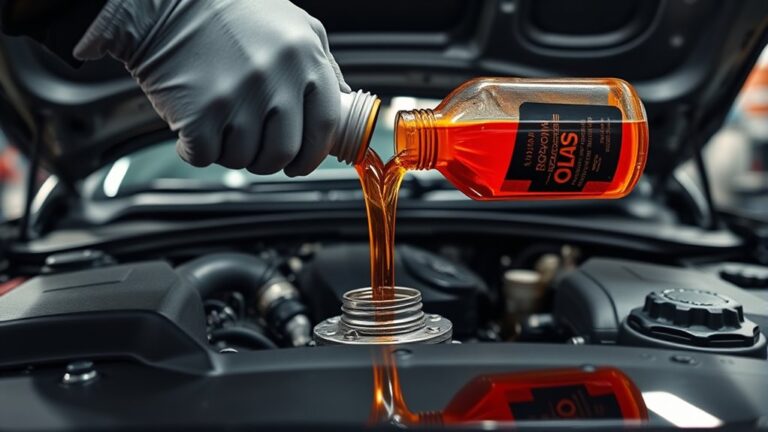
Start by locating your transmission fluid dipstick. Wipe it clean, then reinsert it to get an accurate level reading.
Next, check the fluid’s color and smell. Fresh fluid is usually red and odorless, but old or contaminated fluid may be dark and smell burnt.
Make sure the fluid level is within the recommended range. If it’s low, top it up. If the fluid looks or smells bad, consider replacing it.
Keeping an eye on the transmission fluid helps your transmission run smoothly. It might even fix some low-speed rattling issues.
Proper maintenance of the fluid can often prevent more costly repairs later on.
How to Test Drive Shafts and CV Joints for Play and Damage
When testing drive shafts and CV joints for play and damage, it’s important to watch how they move while the vehicle is running. Start by gently accelerating in a straight line to get the joints working.
Test drive shafts and CV joints by observing their movement during gentle acceleration and normal steering.
Next, turn the steering wheel left and right to mimic normal driving. Listen carefully for any rattling, clicking, or excessive play—these can be signs of worn CV joints or a damaged axle.
Check for noticeable looseness or vibrations, which might suggest issues with drivetrain alignment or weak axle parts. You can also lift the vehicle and carefully wiggle the drive shaft or CV joints by hand.
Any movement or strange noises could point to problems. Proper diagnosis relies on observing how the joints behave during motion and making sure they operate smoothly without abnormal play.
Fixing these issues early helps keep your vehicle stable and prevents further damage down the line.
Are Engine Mounts or Suspension Components Causing Vibration?
If you’re feeling persistent vibrations while driving, the first thing to check is your engine mounts. Damaged or worn mounts can cause your engine to move around more than it should, leading to noise and that unsettling vibration you’re experiencing.
On the other hand, worn suspension components can also be a culprit. They can lead to uneven vibrations and cause your handling to feel off. Knowing how vibrations travel through your engine mounts and suspension parts can really help you figure out what’s causing the problem—whether it’s the mounts, the suspension, or maybe both.
Engine Mounts Condition
Worn or damaged engine mounts are often the cause of rattling sounds and unusual vibrations when you’re using a manual transmission.
To diagnose, perform an engine mount inspection for clear signs of wear, cracks, or corrosion. If you notice fluid leaks, separation, or excessive movement, it’s time to replace the mounts.
Weak mounts can make the engine shift unexpectedly, which amps up vibrations and rattling noises when you accelerate at low speeds.
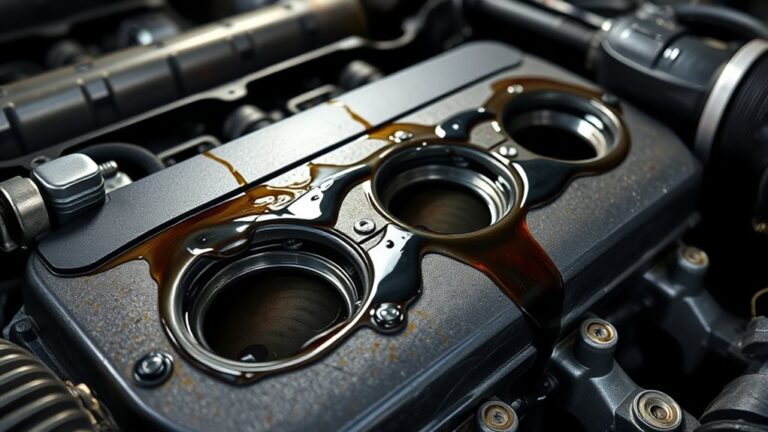
Regularly check for cracks or tears in the rubber parts, excessive engine movement at idle or when revving, and visible oil leaks near the mounts. These leaks often indicate fluid deterioration.
Addressing these issues quickly helps restore stability, cut down noise, and prevent further damage. Don’t ignore signs of mount wear, as they’re key to fixing rattling and vibrations effectively.
Suspension System Wear
Engine mounts play a crucial role in keeping the engine stable, but suspension components can also influence vibrations and rattling noises, especially when they’re worn or damaged. If your suspension isn’t properly aligned, it can cause uneven tire wear and imbalance, leading to vibrations that resonate during acceleration at low speeds.
Suspension wear like damaged struts, joints, or bushings may also produce rattling sounds. Check for any looseness or damage in suspension parts and verify your suspension alignment is correct.
When tires are imbalanced, it can further amplify vibrations and rattling noises. Addressing these issues promptly by inspecting suspension components, realigning your suspension, and balancing your tires can markedly reduce rattling sounds and improve driving smoothness.
Vibration Transmission Path
Vibrations and rattling noises in your vehicle often come from how they travel through different parts, especially when engine mounts or suspension components are damaged. Damaged mounts or worn suspension can create vibration sources that cause transmission resonance, making rattles worse when you’re accelerating at low speeds.
You might notice the noise gets louder during certain engine loads or speeds, which hints at a transmission resonance problem. Loose or broken engine mounts let vibrations transfer directly into the transmission, amplifying the noise.
Worn suspension bushings or shocks allow too much movement, transmitting vibrations more easily. Misaligned or damaged drivetrain parts can also make vibration transfer worse and increase rattles.
Fixing these issues helps prevent vibrations from spreading unchecked, making your ride quieter and more comfortable.
Could Worn Gearbox Bearings Be the Issue?
When your manual transmission starts making unusual rattling sounds, worn gearbox bearings could be to blame. These bearings support the shafts inside your transmission, helping them spin smoothly. Over time, normal use, contamination, or lack of lubrication can cause them to wear out.
Worn gearbox bearings can lead to increased play and noise. You might notice the rattling gets worse during acceleration, especially at low speeds. But before jumping to conclusions, check your clutch adjustment because a misadjusted clutch can cause similar noises.
An improper clutch setting can put extra stress on transmission parts, making existing issues more noticeable. If you suspect worn bearings, it’s best to have a mechanic inspect and replace them quickly.
Ignoring worn gearbox bearings can cause further damage and costly repairs. Addressing this problem early can save you time and money down the line.
How to Identify a Loose or Damaged Transmission Bellhousing
A rattling or clunking noise that gets louder when you accelerate or shift gears might mean your transmission bellhousing is loose or damaged. Start by inspecting the transmission housing for visible cracks, dents, or any signs of fluid leaks.
While checking the bellhousing, try wiggling it by hand. It shouldn’t move much — excessive movement could indicate a problem. You might also notice strange vibrations or noises near the transmission area when the engine is running.
Look out for signs like visible cracks or broken mounting points on the transmission housing. Also, check for any unusual looseness or shifting when you try to move the bellhousing manually. Fluid leaks around the housing or bellhousing are another warning sign.
Doing a thorough inspection helps you determine if the housing is damaged or loose. Both issues can cause rattling sounds, especially during acceleration.
When to Seek Help From a Professional Mechanic
Recognizing when to seek help from a professional mechanic is crucial if you notice persistent rattling noises, difficulty shifting gears, or unusual vibrations that don’t go away with basic inspections. If your driving includes lots of stop-and-go traffic or aggressive acceleration, these can cause noise issues, but ongoing rattles often point to a deeper problem.
Pay attention to how often the noise happens—if it’s consistent or getting worse, it’s time to see a professional. Ignoring these signs can lead to more damage or costly repairs down the line. A mechanic will accurately diagnose issues like worn clutch parts, faulty transmission mounts, or internal transmission problems.
If you’re unsure whether your symptoms are minor or serious, it’s best to have a pro evaluate your vehicle. Acting quickly helps keep you safe, extends your transmission’s lifespan, and stops small problems from turning into bigger, more expensive repairs.
Tips to Prevent Rattles During Low-Speed Acceleration
If you want to cut down on rattles when you’re accelerating at low speeds, the first thing to do is keep up with regular transmission maintenance. That way, all the parts stay in good shape and are less likely to cause issues.
Also, make sure you’re using the clutch properly and engaging the gears smoothly. Rushing or being rough with gear changes can put extra strain on the system and lead to rattles.
And don’t overload your vehicle, either. An excessive load can make the engine vibrate more than it should, which often results in rattling sounds. Keep these things in mind, and you should notice a smoother, quieter ride.
Regular Transmission Maintenance
Ever wonder why your manual transmission rattles during low-speed acceleration? Regular transmission maintenance is key to preventing this. Keeping your transmission fluid clean and at the right level helps lubricate internal parts and cut down on noise. If the fluid’s old or dirty, it can cause gear slippage or rattling sounds.
Monitoring clutch wear is also important to avoid vibrations that lead to rattles when you accelerate. You should change the transmission fluid as recommended by your vehicle’s schedule and check for signs of clutch wear to replace parts early. Keep an eye on strange noises or vibrations and get them checked out sooner rather than later.
Consistent maintenance helps reduce rattling, make shifting smoother, and extend your transmission’s life. Regular care makes low-speed driving quieter and more comfortable.
Proper Clutch Usage
If the pedal feels off, consider getting a clutch adjustment. This helps ensure proper disengagement and engagement, reducing noise and wear.
Avoid riding the clutch or holding it partially pressed for too long, as that can cause extra wear and noise. When shifting, fully press the clutch, shift gears quickly, and smoothly release the pedal.
Using the correct clutch technique relieves stress on your transmission parts and helps prevent rattles if you’re not engaging properly. Regularly checking and adjusting the clutch keeps everything working smoothly, lowering the chances of rattling during low-speed acceleration.
Avoid Excessive Engine Load
Excessive engine load during low-speed acceleration puts unnecessary strain on transmission components, which can cause rattling sounds. To improve engine performance and boost fuel efficiency, avoid forcing the engine to work harder than needed. Sudden or aggressive acceleration can overload the engine and transmission, leading to rattles. Instead, apply smooth, gradual pressure on the accelerator.
Shift gears early to prevent engine strain. Ease off when you feel resistance or hear unusual sounds. Maintain a steady throttle to keep engine performance ideal.
Frequently Asked Questions
Can Driving Habits Cause Rattling Noises During Low-Speed Acceleration?
Yes, your driving habits can cause rattling noises during low-speed acceleration. When you drive at inconsistent speeds or don’t properly engage gears, it puts extra stress on the transmission.
This can lead to rattling sounds, especially at low speeds. Ensuring smooth driving and correct gear engagement minimizes vibrations and reduces the chance of rattling.
It helps your manual transmission operate more quietly and efficiently.
What Role Do Aftermarket Parts Play in Causing Transmission Rattles?
Ever thought your car’s newfound rattle is a secret performance upgrade? That’s not quite how it works. Aftermarket parts and performance upgrades often cause transmission rattles because they aren’t always perfectly compatible.
They can shake loose, cause misalignments, or create extra vibrations. So, if you’re adding shiny new parts to boost speed but hear strange noises, you might be the unintentional star of a mechanical comedy show.
How Does Temperature Affect Rattling Sounds in Manual Transmissions?
Temperature fluctuations can cause rattling sounds in your manual transmission because they affect lubricant viscosity.
When it’s cold, the lubricant thickens, leading to less effective cushioning and increased metal contact, which can produce rattles. Conversely, higher temperatures make the lubricant thinner, reducing friction but potentially making metallic parts vibrate more.
Monitoring how temperature impacts your vehicle helps you figure out if changing your lubricant or letting it warm up can reduce those rattling sounds.
Can a Cluttered Engine Bay Contribute to Transmission Rattling?
Yes, a cluttered engine bay can dangerously amplify transmission noise sources, making rattling sounds seem like a seismic event inside your car. When you let engine bay clutter accumulate, it can vibrate against the transmission or interfere with nearby components.
This can cause rattles that worsen at low speeds. Keep your engine bay tidy, check for loose parts, and make certain nothing is obstructing or vibrating to reduce those alarming rattling noises.
Are Rattling Sounds More Common in Older Manual Transmission Vehicles?
Yes, rattling sounds are more common in older manual transmissions. As vintage transmissions age, they tend to develop wear and tear, which can cause noise during acceleration.
When diagnosing these noises, it’s important to check components like the clutch, gear synchros, and mounts, since these are often the culprits.
Regular maintenance and inspections can help catch problems early. This way, you can reduce the risk of persistent rattling and keep your car running smoothly and quietly.
Conclusion
Rattling sounds during low-speed acceleration can be unsettling, but most issues are fixable with proper inspection. Regular maintenance helps identify problems early, so doing routine checks can save you money later on.
Did you know neglecting transmission issues can lead to complete failure, costing up to $4,000 to repair? Staying proactive is key—listen closely for any unusual noises.
If you’re unsure, don’t hesitate to consult a professional. Keeping your manual transmission in top shape ensures smooth driving and a longer vehicle life, especially when addressing rattling sounds during low-speed acceleration.