Why Your Steering Wheel Shakes When Accelerating: Causes and Fixes
If your steering wheel shakes when accelerating, you’re not alone. Many drivers struggle with this annoying issue and wonder what’s going wrong. It can be frustrating, especially when you’re trying to enjoy a smooth ride.
This problem is often caused by unbalanced or worn tires, suspension issues, or problems with wheel bearings. Misalignment or damaged drive shafts can also play a role in vibrations.
Regular maintenance like tire rotation, balancing, and checking suspension parts can help prevent this.
If the shaking keeps happening, it’s a good idea to inspect these parts more closely. Keep reading this guide to learn how to identify and fix these common causes effectively.
Key Takeaways
- Unbalanced or damaged tires can cause your steering wheel to shake when you accelerate.
- Worn or damaged wheel bearings often lead to vibrations at higher speeds, especially during acceleration.
- Misaligned suspension or worn shocks and struts can make your steering feel unstable when you pick up speed.
- Warped brake rotors might cause vibrations that get worse during acceleration.
Regularly rotating your tires, balancing them, keeping your alignment straight, and maintaining your suspension can help prevent or fix these shakes.
Why Does My Steering Wheel Shake When Accelerating?
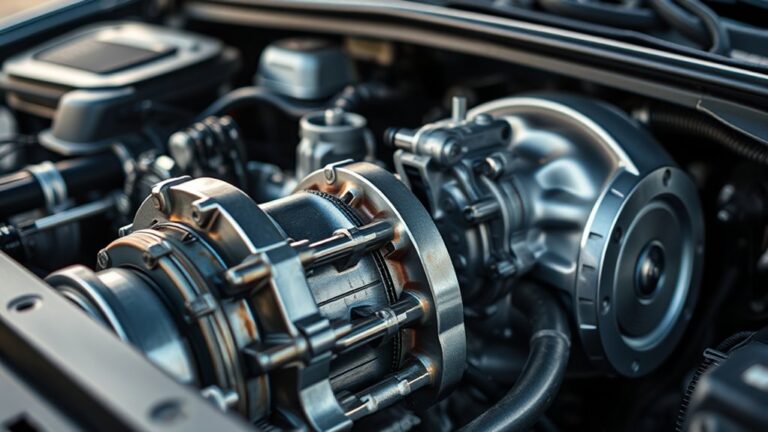
When your steering wheel shakes during acceleration, it usually means something’s not quite right with your vehicle’s parts. A common cause is imbalance or wear in components like the driveshaft or axle. These issues can cause vibrations that travel through the steering wheel.
Steering wheel shakes during acceleration? Likely caused by imbalance or wear in driveshaft or axle components.
They can also affect your fuel efficiency because your engine has to work harder to make up for mechanical problems. You might hear strange engine noises or rough sounds from the front of your car too. These are signs of misalignment or mechanical stress.
Many times, these symptoms point to underlying issues that affect engine performance and the way your car handles. Catching and fixing the problem early can prevent more damage and get your ride back to smooth.
Regular maintenance, like checking for loose or damaged parts, can help keep your vehicle running efficiently. It can also reduce vibrations when you accelerate, making your drive smoother.
How Do Worn or Unbalanced Tires Cause Vibrations?
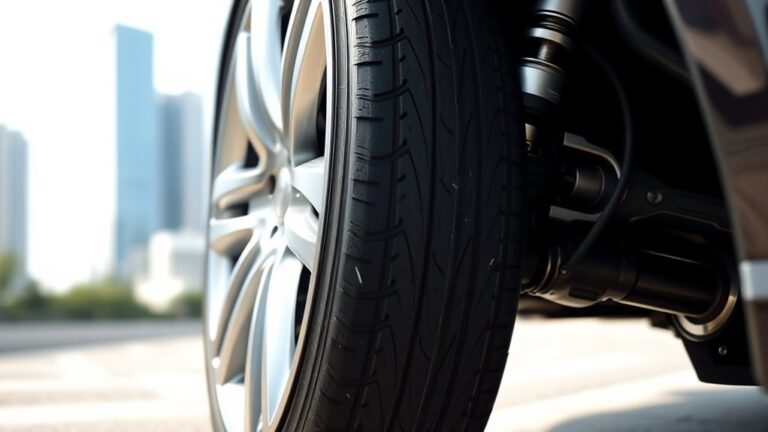
Worn or unbalanced tires can really make your driving experience less smooth, especially when you start feeling those vibrations through the steering wheel. You might notice it more when you’re accelerating—that’s often when these issues become more noticeable.
If your tire tread is uneven or worn down, it messes with how smoothly the tire rotates, which can cause the car to shake. Also, if the tires aren’t properly balanced or if they wear unevenly over time, those vibrations can become even more evident. All of this adds up to a less comfortable, bumpier ride, so it’s a good idea to keep an eye on your tires and get them checked if you feel any shaking.
Tire Tread Wear
Have you noticed your steering wheel shuddering when you accelerate? Worn tire tread can cause this vibration because it affects how your tires grip the road surface. As the tread becomes uneven or shallow, it struggles to stay in consistent contact, leading to uneven rotation. Here’s what to keep in mind:
- Reduced Traction: Worn tread diminishes grip, making vibrations more noticeable at higher speeds.
- Uneven Wear Patterns: When the tread wears unevenly, it causes imbalance and shakes your steering wheel.
- Harmful Road Surface Interactions: Rough patches can reveal tread wear issues through vibrations.
- Inconsistent Contact Patch: Worn tread creates an uneven contact area, leading to vibrations during acceleration.
Getting your tires replaced when they’re worn can restore a smoother ride and lessen those unsettling shakes.
Improper Tire Balancing
This imbalance often happens from uneven tire pressure or damage that shifts weight distribution. As you accelerate, these imbalances become more noticeable, making your steering wheel shake. The road surface also influences how bad the vibrations get; rough or uneven roads can make the issue worse.
Regularly checking and maintaining proper tire pressure can help prevent imbalance issues. If your tires aren’t balanced correctly, you might notice vibrations getting worse during acceleration. That’s a sign it’s time to get a professional tire balancing service to restore smoothness.
Uneven Tire Wear
Here are some common causes and solutions:
- Uneven tread wear from improper alignment. Get an alignment check to fix it.
- Worn suspension parts. Replace any faulty components quickly to keep things running smoothly.
- Low tire pressure. Keep your tires inflated to the recommended PSI for even wear.
- Not rotating tires regularly. Schedule routine rotations to help hair even out over time.
Fixing uneven tire wear helps your drive stay smooth and can lessen steering wheel vibrations.
Could Suspension Problems Be Shaking Your Steering?
Suspension issues can often be the cause of a steering wheel that shakes during acceleration. When your suspension is misaligned, it affects your vehicle’s stability and causes uneven weight distribution, leading to vibrations.
Misaligned suspension can cause vibrations and affect your vehicle’s stability during acceleration.
Worn-out suspension components like shocks and struts can make your steering feel shaky. It’s also important to check your suspension alignment regularly because improper alignment can make steering wheel vibrations worse at higher speeds.
Another key factor is steering fluid. If your steering fluid is low or contaminated, it can disrupt the smooth operation of your steering system, causing excessive vibrations and shaking when you accelerate. Keeping your steering fluid at the correct level and in good condition can often fix minor shaking issues.
Proper maintenance of your suspension and steering system can significantly reduce vibrations and improve your overall driving stability.
Are Drivetrain Issues Making Your Car Vibrate?
While suspension issues can often cause steering wheel vibrations, problems in the drivetrain might be the real culprit behind your car’s shaking during acceleration. Drivetrain issues, like uneven engine torque delivery or worn components, can create noticeable vibrations.
A malfunctioning driveshaft or worn CV joints can cause vibrations that you feel through the steering wheel. Low or dirty steering fluid can also impair steering response, making vibrations worse during acceleration.
Here are some common drivetrain causes:
- Worn or unbalanced driveshafts affecting torque transfer.
- Damaged CV joints disturbing smooth power delivery.
- Engine misfires or uneven engine torque output.
- Low or contaminated steering fluid reducing response and increasing vibration.
Fixing these issues involves inspecting drivetrain components and making sure steering fluid levels and quality are good. Doing so can help eliminate vibrations during acceleration.
Signs That Your Wheel Alignment Is Off
If you notice uneven tire wear or your car tends to drift or wander on the road, it could be a sign that your wheel alignment needs a check. Sometimes, these issues are subtle, but paying attention to them can save you from bigger problems down the line.
You might also feel the steering wheel shake, especially when you’re accelerating. That’s another clue that something’s not quite right with your alignment.
Uneven Tire Wear
- Inner or outer tread wearing faster than the rest.
- Bald spots or smooth patches on the tires.
- Uneven tread depth across the tire.
- Vibrations or shaking while driving.
Ignoring uneven wear can make problems worse and cause your steering wheel to shake. Staying on top of tire maintenance helps ensure your tires wear evenly, which improves alignment and reduces vibrations when accelerating.
Drifting or Wandering
When your vehicle starts to drift or wander on the road, it’s a clear sign that your wheel alignment might be off. You might also notice your steering feels loose or unresponsive, making it harder to keep a straight path.
Low or contaminated steering fluid can make drifting worse because it affects steering precision. If the airbag warning light comes on, it could mean a sensor related to steering or alignment issues isn’t working properly, which can impact handling.
Misaligned wheels lead to uneven tire wear, which can further disturb your steering. Addressing these signs quickly helps prevent further damage.
Regularly check your steering fluid and visit a technician if your wheel wanders, especially if you see warning lights or feel unusual steering behavior.
Can Brake Components Cause Steering Shakes?
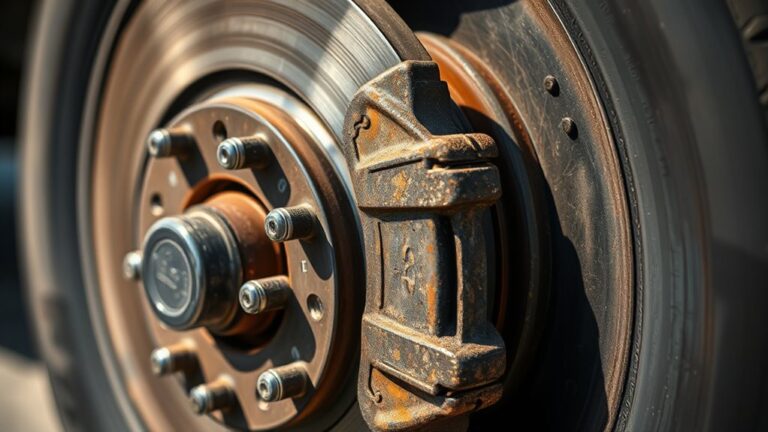
Worn or warped brake calipers, rotors, or pads can often cause steering wheel shakes during acceleration. When these components aren’t in good shape, you might also hear brake pad noise or notice a steering fluid leak. These issues can lead to uneven braking force, which creates vibrations that travel through the steering system.
Here are four common brake-related causes of steering shakes:
- Warped Rotors: Excessive heat can deform rotors, leading to vibrations when you accelerate.
- Uneven Brake Pad Wear: If brake pads wear unevenly, they won’t make consistent contact, causing steering tremors.
- Brake Caliper Problems: Sticking calipers can’t release properly, which adds to steering shake.
- Corrosion or Debris: Dirt or corrosion on brake parts can interfere with smooth operation, causing noise and vibrations.
Fixing these brake component issues might eliminate steering shakes, improve handling, and stop further damage. If you notice brake pad noise or a steering fluid leak, it’s best to see a mechanic quickly.
How to Check If Your Wheel Bearings Are Worn
Want to figure out if your wheel bearings are worn out? It’s pretty simple to start with a quick visual inspection. Just look for any cracks, corrosion, or obvious damage. If everything looks okay there, the next step is to safely lift your vehicle, so you can get a good look at the wheels.
Once it’s lifted, give the wheel a spin with your hand. Pay close attention—does it spin smoothly, or does it feel rough or uneven? Also, listen for any grinding noises. If the wheel wobbles or the spin isn’t smooth, that’s a pretty good sign your wheel bearings might need some attention.
Visual Inspection for Wear
A visual inspection is a crucial first step in identifying worn wheel bearings. Start by examining your tires for uneven wear or bald spots, which can signal bearing issues.
Next, check for any unusual play or looseness in the wheel when you grasp it at the top and bottom. If it shifts more than expected, the bearings could be worn.
Look for cracks, corrosion, or damage around the hub and bearing area. Also, inspect for any grease leakage or grime buildup, which can indicate a failing seal.
Don’t forget to spin the wheel and listen for grinding or squeaking noises. These signs, combined with visible tire wear and looseness, help you determine if your wheel bearings need replacement.
Jack Up Vehicle Properly
Before you start checking your wheel bearings, you’ll need to properly raise your vehicle to guarantee safety and access. Use a reliable vehicle jack placed on a solid, level surface to lift the car.
Make sure you consult your owner’s manual to identify the correct jacking points. This is vital for proper lifting. Once the vehicle is securely elevated, place jack stands under the frame or designated support points to stabilize it.
Never rely solely on the jack. Always support the vehicle with jack stands. Proper lifting ensures your safety and makes it easier to access the wheel for inspection.
Spin the Wheel Manually
Once you’ve securely supported the vehicle with jack stands, it’s time to check the wheel bearings by spinning the wheel manually. Pay attention to how smoothly it rotates and listen for unusual noise or roughness, which can signal worn bearings.
Here are some steps to follow:
- Grip the tire at the top and bottom, then spin it quickly with your hand.
- Feel for resistance or grinding sensations—these can point to problems.
- Listen closely; squeaking or humming sounds may indicate worn bearings.
- Check for play by rocking the tire back and forth. Excess movement can affect fuel efficiency and engine performance.
Worn wheel bearings don’t just cause shaking. They also impair vehicle stability, decrease fuel efficiency, and affect engine smoothness. Doing proper checks helps keep your car running at its best.
Simple Fixes to Reduce Steering Vibrations
Simple fixes can often eliminate or reduce steering wheel vibrations during acceleration. Start by checking your tire pressure; uneven or low pressure can cause shaking and impact overall comfort.
Next, make sure your steering controls are properly aligned. Misalignment can lead to vibrations that get worse at higher speeds.
Rotating your tires regularly helps them wear evenly, which reduces vibrations and improves ride quality. Also, inspect your tires for bulges, cracks, or uneven tread wear, as these issues can transmit vibrations through the steering wheel.
Proper balancing of your tires and wheels is critical. Unbalanced wheels cause a shake that worsens with acceleration.
If your steering wheel still vibrates, consider checking for loose or worn steering parts. These simple fixes target common causes of steering vibrations and can significantly improve your driving experience.
Regular maintenance of steering controls and tires will keep your ride smooth and comfortable.
When Should You See a Mechanic for Steering Shakes?
If your steering wheel keeps shaking even after trying basic fixes, it’s time to see a mechanic. Persistent vibrations can point to serious problems that need professional attention, especially if they get worse over time.
Consider visiting a mechanic if you notice paint corrosion on your wheels or suspension parts. That rust can affect your steering stability and safety.
Also, listen for unusual exhaust noises like banging or hissing. These sounds might signal exhaust system issues that could impact your vehicle’s balance.
If the shaking gets worse at higher speeds or during certain maneuvers, it might be a sign of alignment or tire imbalance problems.
Another red flag is if the vibration comes with pulling to one side or an irregular steering response. That could mean steering linkage or suspension damage.
All these signs suggest underlying issues that can compromise your safety and vehicle performance. It’s best to get a professional checkup promptly.
Tips to Prevent Future Steering Wheel Vibrations
To prevent future steering wheel vibrations, regular maintenance and careful driving habits are key. Keeping your tires properly balanced and aligned helps improve steering comfort and reduces vibrations during acceleration.
Regularly checking tire pressure ensures even wear and keeps your interior quieter and smoother. Rotating tires periodically can prevent uneven wear, which often causes steering issues.
Pay attention to your suspension system’s condition. A healthy suspension helps smooth out your ride and keeps steering responsive. When driving, avoid sudden acceleration and overloading your vehicle, as these can make vibrations worse.
Gliding the steering gently and smoothly helps maintain stability and comfort. Also, inspecting and replacing steering parts like tie rods and ball joints as needed will keep your steering precise and vibration-free.
Regular care not only improves your driving experience but also extends your vehicle’s life and keeps the interior comfortable.
Frequently Asked Questions
Can Road Debris Cause Your Steering Wheel to Shake During Acceleration?
Yes, road debris can cause your steering wheel to shake during acceleration. Debris lodged in your tires can disturb mirror alignment and create uneven pressure, leading to vibrations.
Additionally, debris or loose objects might interfere with brake noise around the wheels, making the shaking feel worse. Regularly inspecting your tires and clearing out debris can help prevent these issues.
Keeping your tires clean and maintained ensures a smoother ride and better control when you accelerate.
How Does Tire Tread Wear Influence Steering Stability?
Tire tread wear impacts steering stability because it causes uneven contact with the road, which can lead to vibrations.
If your tires are worn unevenly, it might be a sign of issues with alignment or suspension damage. These problems can make your steering wheel shake when you accelerate.
Be sure to regularly check and rotate your tires. It’s also a good idea to have your alignment and suspension inspected to keep handling smooth and prevent shaking caused by worn treads.
Are Steering Wheel Vibrations Safe to Ignore Temporarily?
You shouldn’t ignore steering wheel vibrations, even temporarily, because they directly affect how safe your steering is.
These vibrations can be signs of problems like unbalanced tires or suspension issues. If you leave them alone, they could get worse.
Ignoring the issue for now might make steering less predictable and unsafe over time.
It’s best to identify and fix the cause quickly to keep your steering safe, prevent more damage, and stay confident on the road.
Can After-Market Modifications Affect Steering Vibration Issues?
Yes, after-market upgrades can significantly impact steering vibration issues. When you install modifications like larger wheels, custom suspension parts, or performance tires, you might unint unintentionally introduce or make vibrations worse.
These upgrades can upset your vehicle’s alignment or balance. This can cause vibrations to become more noticeable, especially during acceleration.
If you notice more steering vibration after your upgrades, it’s a good idea to check those components carefully. They might be the source of your steering concerns.
What Common Symptoms Indicate a Need for Wheel Balancing?
You notice your steering wheel vibrates at certain speeds, which suggests your wheel might need balancing. Common signs include uneven tire wear, a shaky steering wheel, or vibrations you feel throughout the vehicle.
It’s also a good idea to check your suspension alignment and brake system because misalignment or brake problems can make vibration issues worse.
Addressing these concerns quickly will give you a smoother ride and help prevent more damage to your tires or suspension components.
Conclusion
If your steering wheel shakes when you accelerate, don’t ignore it—think of it as a warning blinking on your dashboard.
Addressing common causes like unbalanced tires or suspension issues can bring back smoothness to your drive.
Regular maintenance is your best friend, helping you catch problems early before they turn costly.
Stay proactive, and you’ll keep your ride steady, just like a boat gliding smoothly through calm waters.
Remember, if your steering wheel starts shaking when you accelerate, it’s often a sign of underlying issues like wheel imbalance or suspension problems.
Fixing these early can save you time and money, so don’t wait until it becomes a bigger problem.
Keeping up with regular maintenance and inspections is key to preventing your steering wheel from shaking when accelerating.