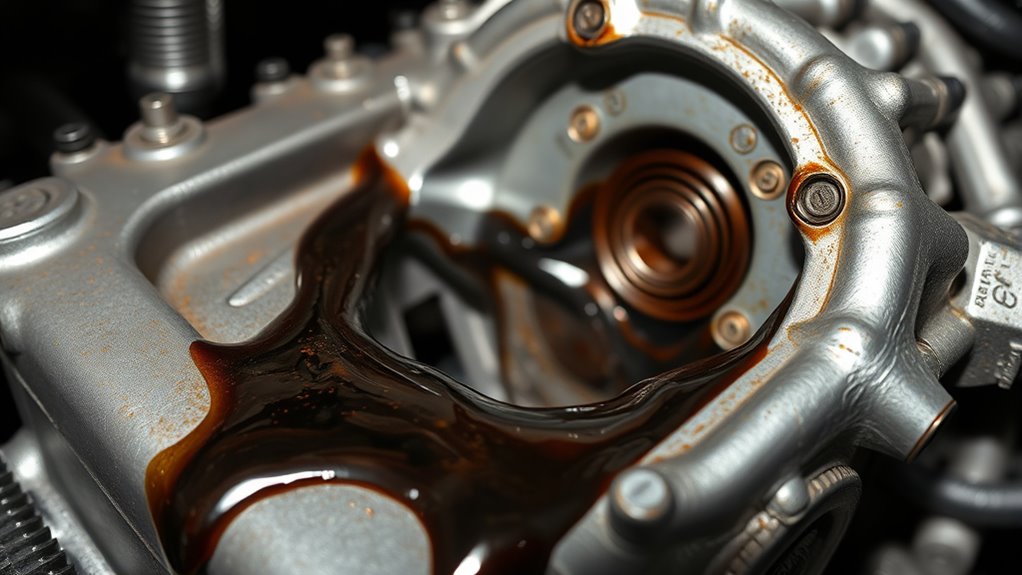
F150 Transmission Leak Bellhousing: Causes, Risks, and Repair Options
If you own an F150, you’ve probably heard about transmission leaks and how frustrating they can be. Many truck owners struggle with the worry of costly repairs and what’s causing the leak in the first place. You’re not alone—these issues are common but fixable.
If your F150’s bellhousing shows signs of a transmission leak, it’s likely caused by worn seals, cracks, or misalignment. Ignoring these leaks risks serious damage, including internal component failure and costly repairs.
Common causes include age, heat damage, or impact.
Repair options range from seal replacements to welding or housing repair, while preventive maintenance helps catch issues early.
To protect your truck and avoid big expenses, understanding the causes and solutions is essential, and you’ll uncover more ways to address this problem shortly.
Key Takeaways
- Bellhousing transmission leaks are often caused by worn seals, cracks, or warping in the housing, which can lead to fluid seepage.
- Ignoring these leaks can cause the transmission to overheat, damage internal components, and result in costly repairs or replacements.
- You might notice fluid pooling beneath the vehicle, visible oil around the bellhousing, shifting issues, or strange noises.
- Repair options include replacing seals, welding or replacing the housing, and rebuilding the transmission if there’s severe damage.
- Getting a professional diagnosis and repair quickly can prevent further problems, extend the lifespan of components, and keep your vehicle running reliably.
Common Causes of Transmission Leaks at the Bellhousing in Your F-150
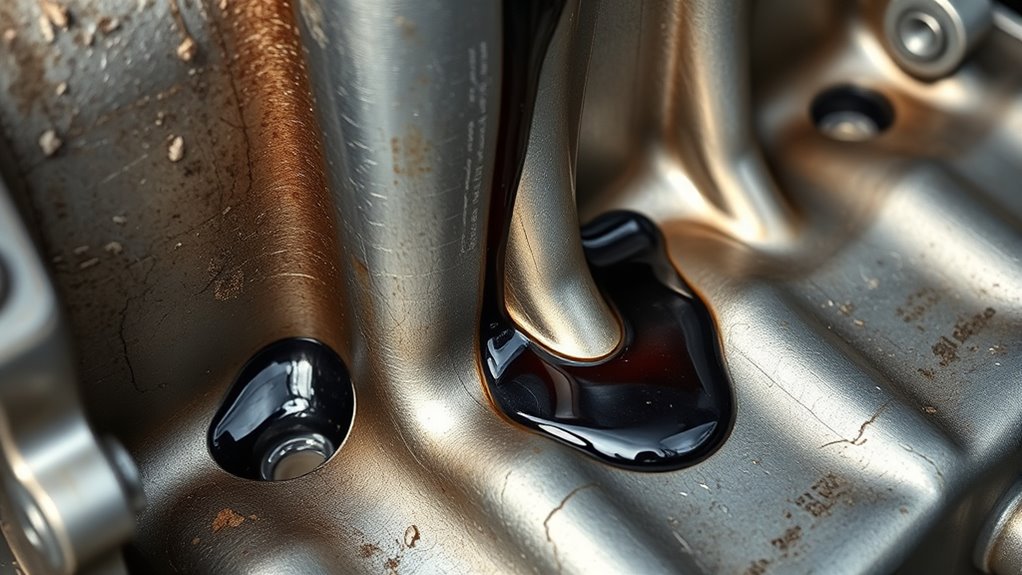
One of the most common causes of transmission leaks at the bellhousing in your F-150 is a worn or damaged rear main seal. When this seal fails, it lets transmission fluid seep out, which can mess with your engine’s performance and fuel efficiency.
Worn rear main seals cause transmission fluid leaks, harming engine performance and fuel efficiency.
A compromised seal often happens because of age, wear, or improper installation. As the fluid leaks, your engine has to work harder to stay lubricated, which impacts overall performance.
Low transmission fluid levels caused by this leak can also make your vehicle shift poorly. This further hurts fuel economy and can eventually lead to more serious damage.
Regularly inspecting the rear main seal can catch problems early and prevent costly repairs. Addressing this promptly helps keep your F-150 running smoothly and efficiently.
Signs and Symptoms of a Bellhousing Transmission Leak
A telltale sign of a bellhousing transmission leak is seeing fluid pooling under your F-150 or a noticeable puddle near the transmission area. Besides visible drips, you might notice the fluid level inside the vehicle dropping, which can cause shifting problems or slipping gears.
Pay attention to the color of your transmission fluid. Healthy fluid is usually bright red, but if there’s a leak, it often looks darker and has a burnt smell. If the fluid looks discolored or smells burnt, it could mean contamination or a significant leak.
Also, check your vehicle’s interior. If you spot fluid on the ground after driving or see a drop on your garage floor, that’s a strong sign of a leak. These signs should lead you to a closer inspection or a visit to a professional to avoid more serious damage or costly repairs.
How Do You Know if Your Bellhousing Is Leaking? : Diagnosis Tips
Wondering if your bellhousing is leaking? The first thing you should do is actually take a good look around it. Check for any puddles or fresh fluid sitting underneath — those are pretty clear signs something’s wrong. Sometimes, it’s the small details like a shiny, oily film or spots that might clue you in.
Also, keep an ear out and pay attention to how your transmission feels when you’re driving. If it starts slipping or if you’re having a tough time shifting gears, it could be related to a leak or some other issue with the bellhousing. When you notice these kinds of signs, it’s a smart idea to dig a little deeper and get it checked out.
Visual Inspection Signs
Identifying a bellhousing leak often starts with a closer look under your vehicle. Check for signs of fluid pooling or discoloration around the bellhousing area.
Maintaining interior cleanliness helps you spot leaks early, so wipe away dirt or grime to reveal fresh fluid deposits. Look closely at the fluid color; it should resemble transmission fluid—bright red or pink.
If you notice darker, cloudy, or burnt-smelling fluid, it could indicate a leak or other transmission issues. Examine the bottom of the bellhousing and nearby components for wet spots, drips, or buildup.
Small puddles or stains are clear visual clues. Regular inspections like these make it easier to catch leaks before they cause significant damage, saving you time and costly repairs down the line.
Unusual Transmission Behavior
How can you tell if a bellhousing leak is affecting your transmission’s performance? Unusual transmission behavior is a key indicator. You might notice increased interior noise around the gear area or hear grinding sounds during shifts. These symptoms suggest the transmission isn’t operating smoothly.
A leak can cause fluid loss, leading to inconsistent shifting and a drop in fuel efficiency. If your truck feels sluggish or hesitates when accelerating, it could also be a sign.
Pay attention to any strange vibrations or slipping gears. These issues might seem minor at first, but they can get worse if you don’t address them. Recognizing these signs early helps prevent further damage and keeps your F150 running reliably.
Regular diagnostics and staying aware of unusual behavior are essential for maintaining peak transmission health.
Why Ignoring a Transmission Leak Can Lead to Serious Damage
A transmission leak might seem minor at first, but ignoring it can quickly lead to serious damage that’s costly to fix. Leaking fluid can cause the clutch to wear out prematurely, which reduces its effectiveness and can lead to slipping or even complete failure.
Over time, low or dirty fluid causes more friction and heat, speeding up the wear on internal parts. If you don’t fix the leak, you’ll probably end up needing extensive repairs or even a full transmission replacement.
Regular fluid flushing is important, but it won’t fix a leak that’s dropped the fluid levels too low. When fluid leaks, lubrication and cooling suffer, putting gears, seals, and other parts at risk.
Addressing a leak quickly helps prevent these problems from getting worse, saving you money and keeping your truck running smoothly. Ignoring early signs can turn a simple fix into a costly, time-consuming ordeal.
Can Cracks or Damage Cause Leaks in the Bellhousing?
Cracks or damage in the bellhousing can definitely cause leaks, especially since this part holds the clutch and transmission input shaft. The material of the bellhousing, whether aluminum or cast iron, affects how likely it is to crack or get damaged.
Aluminum bellhousings are lighter but can crack more easily from stress or impact. Cast iron ones tend to be more durable but aren’t completely immune to damage over time. Regular inspections for cracks are essential because even small fractures can lead to fluid leaks.
These leaks happen when cracks grow or widen, letting transmission fluid escape. Damaged areas weaken the bellhousing’s integrity, which can lead to more damage to the transmission.
Always watch out for unusual noises or fluid spots around the bellhousing. If you notice anything suspicious, have a professional inspect it for cracks or damage. Detecting issues early can save you from costly repairs later on.
Seal Failures That Lead to Transmission Leaks
Seal failures are one of the most common reasons for transmission leaks, especially as the vehicle gets older or the seals wear out over time. Sometimes, these seals can get damaged because they weren’t installed properly, or they might just be affected by dirt and grime that creep in. Harsh conditions, like extreme temperatures or exposure to chemicals, can also take a toll on them.
The good news is, by keeping an eye on your transmission and doing regular inspections, you can catch these issues early. Catching a leak or a damaged seal before it gets worse can save you a lot of headaches and costly repairs down the line. Regular maintenance really does make a difference in keeping everything running smoothly!
Common Seal Failures
Ever wonder why transmission leaks happen at the bellhousing? One common cause is seal failure due to wear or age. These seals are meant to keep transmission fluid inside, but over time, exposure to other fluids can weaken them.
Engine coolant leaks, especially if they contaminate the seal, cause deterioration and cracking. Brake fluid exposure can also lead to swelling and breaking down rubber seals. Poor installation or extreme temperatures make seals more prone to cracking or splitting.
When these seals fail, transmission fluid escapes into the bellhousing area. Sometimes, this is mistaken for leaks from other parts. Regular inspections and timely replacements can prevent these failures and save you costly repairs later on.
Causes of Seal Damage
Have you ever wondered what causes seal damage that leads to transmission leaks at the bellhousing? Several factors can weaken or damage the seal over time.
Excessive heat from heavy use or transmission fluid overheating can cause the seal material to crack or warp. Old, worn-out seals lose their elasticity, making them prone to leaks.
Improper installation or misaligned components can put uneven pressure on the seal, leading to early failure. Contamination from dirt, debris, or old transmission fluid can also degrade the seal material.
Whenever you perform leak detection, you may notice small drips or puddles, indicating seal damage. Understanding these causes helps you recognize the importance of proper maintenance to prevent leak-causing seal failures.
Preventive Maintenance Tips
Regular maintenance can greatly reduce the risk of seal failures that lead to transmission leaks. By staying proactive, you can prevent costly repairs and keep your F150 running smoothly.
Keep an eye on fluid levels and replace transmission fluid at the recommended intervals to ensure peak performance. Properly securing the bellhousing and checking for early signs of wear can also help prevent leaks.
Make sure your engine bay stays clean and free of debris. This helps with heat management and prolongs seal life. Maintaining a healthy transmission system not only prevents leaks but also improves fuel efficiency, saving you money over time.
Regular fluid changes, inspecting seal conditions, and addressing small leaks quickly are key. Also, follow your manufacturer’s maintenance schedule to stay ahead of potential issues.
Structural Damage and Its Role in Bellhousing Leaks
Structural damage in the bellhousing can significantly contribute to transmission leaks. Cracks or warping weaken the housing’s integrity, making fluids escape more easily. This can lead to leaks that impact fuel efficiency and engine performance.
Damage often happens from collisions, over-tightening, or metal fatigue. These issues make your transmission more vulnerable and prone to failure. Recognizing and addressing this damage early is key to keeping everything running smoothly.
Here’s a quick look at common issues:
| Damage Type | Impact on Bellhousing |
|---|---|
| Cracks | Fluid leaks, decreased structural strength |
| Warping | Misalignment, increased stress |
| Corrosion | Material weakening, leak points |
| Fatigue | Cracks, eventual failure |
It’s important to fix structural damage promptly. Ignoring it can cause more problems, reduce fuel efficiency, and compromise engine performance. Spotting early signs helps keep your truck safe and running longer.
Repair Options for F-150 Transmission Leaks at the Bellhousing
When dealing with a transmission leak at the bellhousing on your F-150, several repair options can effectively resolve the issue. First, inspecting the transmission fluid color can help determine if contamination or burn stains are contributing to the leak. If the fluid looks dark or burnt, a fluid change combined with a seal replacement might be necessary.
Inspecting fluid color helps identify leaks and determine if a seal replacement is needed.
You might also consider replacing the rear seal or input shaft seal if you notice wear or damage. Sometimes, the leak comes from a crack or damage in the housing, which may require weld repairs or replacement. For persistent leaks, a full transmission service including a fluid flush and seal inspection is a good idea to keep gear shifting smooth.
Here are some repair options:
- Seal replacement
- Rear or input shaft seal repair
- Transmission housing weld repair
- Complete transmission rebuild
- Transmission fluid flush
How to Prevent Bellhousing Leaks in Your F-150
To help prevent bellhousing leaks in your F-150, regularly check the transmission fluid levels and condition. Make sure the fluid is a bright, clear red—anything darker or with a burnt smell could mean contamination or overheating, which can damage seals.
Watch how the clutch engages too. If it feels unusual or slips, it might signal transmission problems that could lead to leaks. Keeping the fluid at the right level helps maintain seal health and puts less stress on internal parts.
It’s also a good idea to inspect the bellhousing area for any signs of seepage or stains. Catching leaks early can prevent things from getting worse. Fixing small issues like worn seals or damaged gaskets right away can stop leaks from spreading.
Using the recommended transmission fluid and keeping up with proper maintenance ensure your seals and internal components stay lubricated and in good shape. This greatly cuts down the chances of bellhousing leaks over time.
When to Seek Professional Repair for Your Transmission Leak
If you start to notice a strong burning smell, slipping gears, or a big drop in transmission fluid, it’s probably time to call in a professional. Sure, fixing things yourself can seem tempting, but when it comes to serious leaks, it’s best to leave it to the experts. They know what to look for and can prevent the problem from getting worse.
Don’t delay too long—taking action quickly can save you a lot of money on costly repairs down the road. Better safe than sorry when it comes to your car’s transmission!
Signs of Severity
A transmission leak can quickly go from just a small annoyance to a serious issue if you ignore it. Recognizing the signs early helps you know when to get professional help.
If your transmission fluid level drops fast, it’s a clear sign the leak is getting worse. Waiting too long could damage important parts of your truck.
Harder clutch engagement or slipping might mean your fluid is losing pressure and affecting how the transmission works.
You might notice a burning smell or strange noises when driving, which could mean overheating or internal damage.
Seeing puddles under your truck or noticing you’re having trouble driving smoothly are red flags.
Addressing these signs quickly can save you money and keep your F150 running well.
DIY vs. Professional Repair
While spotting a transmission leak is important, it’s equally helpful to know whether you can handle the repair yourself or if you should call in a professional. This can save you time and help prevent further damage.
Handling transmission fluid during a DIY repair can be simple if you’re comfortable with basic tools and procedures, like inspecting for leaks or replacing a seal.
But if the leak is severe or requires removing the transmission bellhousing, it’s best to seek professional help. Transmission work can be complicated, and doing it wrong might cause more issues or costlier repairs later.
Think about your mechanical skills, available tools, and how comfortable you are with transmission systems before attempting a DIY fix.
When you’re unsure, consulting a professional is the safest bet to make sure the job gets done right and safely.
When to Act Quickly
Recognizing the urgency of your transmission leak is essential because delaying professional repair can lead to significant damage and costly repairs. If you notice constant drops in transmission fluid levels, it’s time to act.
A leak can impair gear shifting, making your truck harder to control and potentially causing transmission failure. Don’t wait until slipping gears or delayed engagement occur—early intervention can save you money.
You should seek help immediately if:
- The transmission fluid rapidly depletes
- You experience difficulty shifting gears
- Unusual noises come from the transmission area
- Your vehicle stalls or hesitates
- The transmission warning light flashes on your dashboard
Addressing these signs quickly prevents further damage and costly repairs.
Frequently Asked Questions
Can a Transmission Leak Affect Vehicle Warranty Coverage?
Yes, a transmission leak can affect your vehicle warranty coverage. If the leak results from a manufacturing defect, it might be covered under warranty. But if it’s caused by neglect or damage, it could invalidate your warranty.
To keep your transmission in good shape, it’s best to address leaks quickly. Don’t wait—prompt repairs can prevent further damage and keep your warranty intact.
When you file a warranty claim, follow the procedures carefully. Make sure to provide detailed documentation and evidence so your claim is processed smoothly and any needed repairs are covered.
How Long Can I Drive With a Minor Bellhousing Leak?
You shouldn’t drive long with a minor bellhousing leak because it can cause significant fluid loss and damage to your transmission.
Keep an eye on the leak regularly by checking for any signs of increased dripping or fluid loss.
If you notice it getting worse, stop driving and have it inspected by a mechanic.
Driving with a leak that worsens can lead to overheating or bigger problems down the line.
It’s best to fix even small leaks early to avoid costly repairs and keep your vehicle reliable.
Are Aftermarket Parts Reliable for Repairing Bellhousing Leaks?
Aftermarket parts can be reliable for repairing a bellhousing leak if you choose high-quality brands with good reviews. Look for aftermarket quality components designed specifically for your F150; they often match or even surpass OEM standards.
However, the longevity of the repair depends on proper installation and ongoing maintenance. While some aftermarket parts are very durable, it’s important to weigh the cost savings against the potential need for more frequent repairs compared to OEM options.
How Does Driving Style Influence Transmission Leak Development?
Your driving habits directly impact your transmission’s health, kind of like how a storm affects a river’s flow.
Aggressive driving or lots of stop-and-go traffic increase fluid pressure, which can strain seals and cause leaks around the bellhousing.
Driving smoothly and gently helps keep the fluid pressure steady, reducing the chances of leaks.
If you want to prevent leaks, focus on gentle acceleration and maintaining steady speeds to protect your transmission.
Can a Transmission Leak Cause Engine Overheating?
Yes, a transmission leak can lead to engine overheating. When transmission fluid leaks, it can mess with how the transmission functions, causing it to work harder and generate more heat.
This extra heat puts stress on the engine and makes it harder to cool properly. Transmission fluid helps move heat away from key parts, so when levels drop, both the transmission and engine can overheat.
Low transmission fluid not only causes shifting problems but also raises the risk of engine damage from overheating. Getting this fixed quickly is important to avoid further issues.
Conclusion
Ignoring a bellhousing leak in your F-150 can turn your reliable truck into a disaster waiting to happen. Imagine engine failure or a roadside breakdown that costs way more than your truck is worth.
Don’t let that happen. Stay alert, catch leaks early, and get them fixed quickly. Your vehicle’s health and your peace of mind depend on taking action fast.
Remember, a small leak in the bellhousing can become a big problem if ignored. Addressing a F-150 transmission leak promptly is the best way to avoid costly repairs down the road.