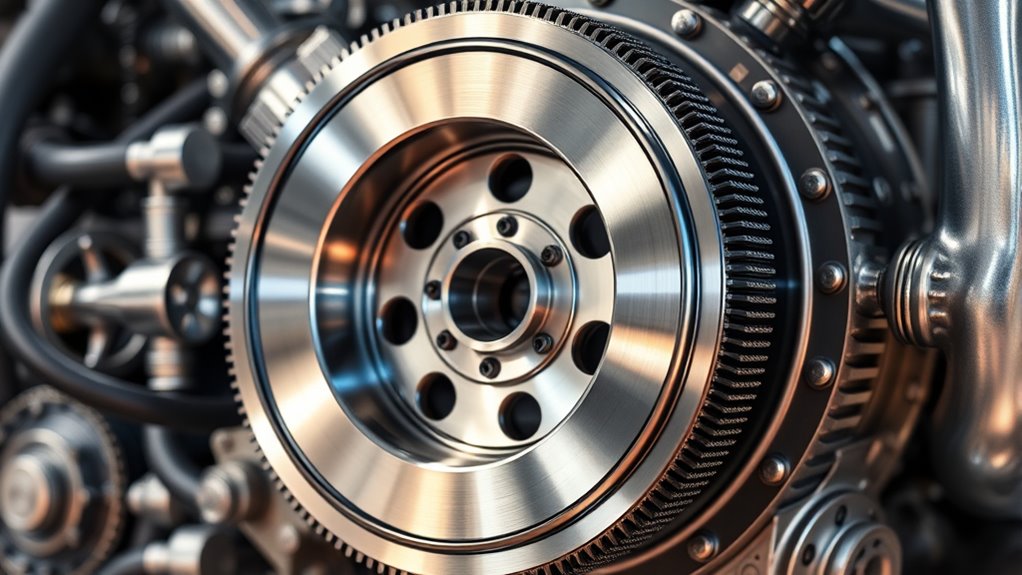
A Guide to the Vital Role of Flywheels in Diesel Engines
Many diesel engine owners have experienced rough starts, vibrations, or unexpected stalls that can feel frustrating. You’re not alone—these issues often come down to the flywheel not functioning properly.
A flywheel in your diesel engine stores rotational energy, helping to smooth out power pulses from the pistons. It reduces vibrations, improves balance, and supports engine stability.
Proper design, material, and maintenance are essential for longevity and performance. If it’s damaged or worn, it can cause engine issues and reduce lifespan.
Keep an eye out for signs of trouble—there’s much more to understand about ensuring your flywheel’s proper function.
Key Takeaways
- Flywheels store rotational energy to keep the engine running smoothly and help reduce vibrations during the engine’s power pulses from the pistons.
- Choosing the right design and materials improves durability, helps with heat dissipation, and makes the engine run more smoothly.
- Adding more rotational inertia helps soak up shocks and boosts engine stability and efficiency.
- Regular maintenance is key to keeping the flywheel in good shape. It helps prevent issues like cracks, overheating, or clutch slipping.
- Using high-quality flywheels can extend your engine’s lifespan and improve performance by reducing wear and vibrations.
What Is a Flywheel and How Does It Work in Diesel Engines
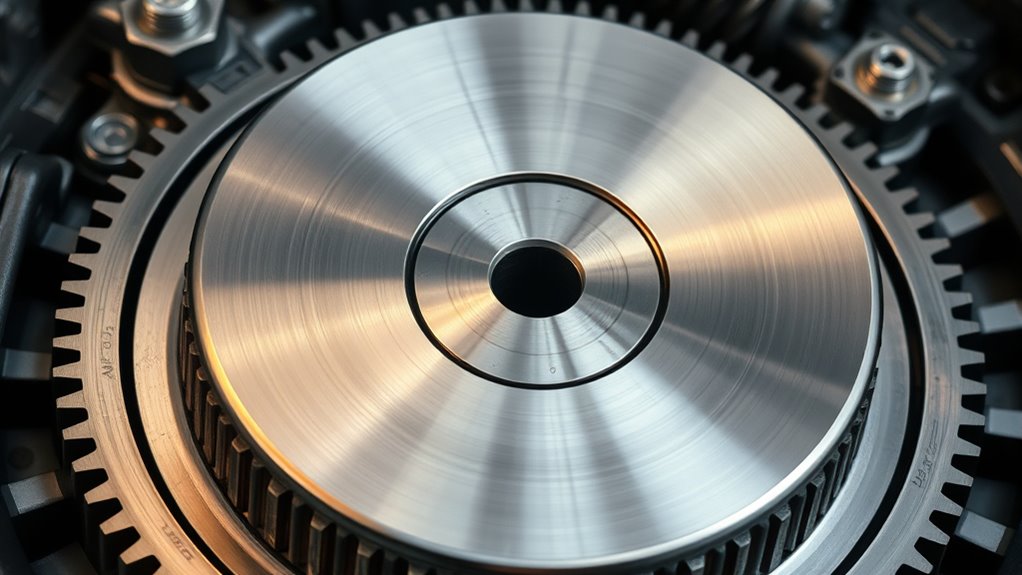
Have you ever wondered what keeps a diesel engine running smoothly between power strokes? It’s the flywheel, a key component made through precise flywheel manufacturing.
This heavy, disc-shaped part stores rotational energy and helps keep the engine moving steadily by smoothing out power delivery. When the piston moves, it creates pulses of power that need balancing; that’s where the flywheel comes in.
A disc-shaped component that stores energy and smooths out engine power pulses for steady, reliable operation.
Modern flywheel software is essential for designing and optimizing these parts. It ensures they are perfectly balanced to meet the engine’s needs. During manufacturing, engineers carefully shape and weight the flywheel to match the engine specifications.
This careful process reduces vibrations and makes the engine more durable. The flywheel absorbs extra energy and releases it gradually, boosting efficiency and lifespan.
Without a properly made flywheel, your diesel engine would struggle with uneven operation and wear. The combination of advanced design software and precise manufacturing keeps your engine running reliably and smoothly.
Why Engine Balance Depends on a Good Flywheel
A well-designed flywheel is key to keeping your engine balanced. It manages uneven power pulses from the pistons, smoothing out irregular engine vibrations.
When your engine runs, fuel injection delivers precise fuel amounts, causing uneven power strokes. These can create vibrations that a good flywheel helps to even out.
This smoothing is especially crucial in turbocharged diesel engines, where rapid intake and exhaust cycles can make vibrations worse. The flywheel’s inertia absorbs shocks from quick engine load changes, making the engine run more smoothly and steadily.
Without a solid flywheel, uneven forces could cause excessive vibrations, more wear on parts, and even damage over time. A properly balanced flywheel ensures efficient operation, less strain on other components, and a longer engine life.
In essence, a high-quality flywheel is essential for balancing the engine’s power delivery, especially in advanced fuel injection and turbocharged systems.
Key Components of a Diesel Flywheel System
Understanding the key components of a diesel flywheel system is pretty important if you want your engine to run smoothly. For starters, you should keep an eye on the flywheel’s weight and balance. These factors play a big role in making sure your engine runs smoothly without any annoying vibrations.
Then there are the clutch and starter attachments, which are crucial for reliable engagement. The clutch helps the engine start easily and transfer power to the transmission, while the starter attachment gets everything turning over at the start. When you understand how all these parts work together, you’ll be better equipped to keep your engine running efficiently and make it last longer.
Flywheel Weight and Balance
The weight and balance of a flywheel are key for smooth engine operation and efficient power transfer. A proper flywheel weight helps keep the engine moving and reduces vibrations, making startup and running smoother.
If the flywheel is too heavy, it can put extra stress on the engine and cause more wear over time. On the other hand, a lighter flywheel might not store enough rotational energy, leading to roughness and even stalling in some cases.
Flywheel balance matters just as much. An unbalanced flywheel causes vibrations that can damage engine parts over time. Precise balancing makes sure the flywheel spins smoothly, cuts down on vibrations, and helps keep everything running reliably.
Getting the right weight and balance in your flywheel is crucial for engine harmony and can help extend the lifespan of your engine components.
Clutch and Starter Attachments
The clutch engages and disengages the engine from the transmission, relying on the flywheel’s surface. This surface is often reinforced with epoxy coatings to make it more durable and reduce wear.
These coatings also help protect the flywheel’s appearance, which matters for maintenance and inspection. The starter attachment, usually a ring gear, surrounds the flywheel edge and engages with the starter motor to turn the engine over.
When properly maintained, these attachments ensure reliable starting and smooth transmission engagement. Their precise connection to the flywheel is crucial for efficient engine performance and a long lifespan, making them essential for running a diesel engine smoothly.
How Flywheels Absorb Power Pulses for Smooth Running
You might notice that your engine feels like it’s running smoother, and that’s thanks to the flywheel’s ability to absorb those power pulses. Basically, it helps smooth out the bumps and shocks that happen during engine operation.
Dampen Engine Vibrations
Since internal combustion engines produce power in quick, uneven bursts, flywheels are crucial in smoothing out these fluctuations. They help absorb engine vibrations, making the ride quieter and more comfortable.
By storing rotational energy, flywheels dampen sudden jolts caused by power pulses. This reduces engine noise and vibrations that could cause wear over time.
Their design also affects flywheel emissions, which can impact exhaust and overall engine efficiency. Plus, even their look matters — the aesthetics contribute to the engine’s appearance and make maintenance easier.
Ensure Engine Stability
By continuously absorbing the sudden bursts of energy generated during each combustion cycle, flywheels keep the engine running smoothly. This stability is crucial for managing fuel injection because precise timing depends on consistent engine rotation.
The flywheel’s inertia helps dampen the power pulses from combustion, preventing engine hesitation or stalling. It also helps balance the engine’s vibrations, contributing to overall stability.
Proper cooling systems prevent the flywheel from overheating, maintaining its durability and performance. As a result, the engine runs smoothly and reliably while putting less stress on other parts.
Signs Your Diesel Flywheel Might Be Worn or Damaged
A worn or damaged flywheel can cause noticeable issues in your diesel engine’s performance. You might struggle to start the engine because the flywheel’s role in keeping things spinning smoothly is off.
Unusual vibrations or rough gear engagement could also be signs of wear or damage. If you hear rattling noises when idling or accelerating, it might mean the flywheel’s surface has worn down or the teeth are damaged.
Ignoring these signs can lead to more serious problems with the clutch and transmission. Flywheels have gotten better over time for durability, but damage can still happen from wear, overheating, or accidents.
Regularly check for cracks, warping, loose bolts, or missing teeth. Catching these issues early helps avoid costly repairs and keeps your engine running efficiently and safely.
How Flywheel Design Affects Engine Performance and Fuel Efficiency
How your flywheel is designed really impacts how smoothly your engine runs and how efficiently it uses fuel. The way the mass is distributed plays a big role in balancing the engine and determining how much rotational inertia is needed to keep everything spinning smoothly.
Plus, the material you choose for the flywheel matters a lot. It affects not just durability and weight, but also overall performance. Every little detail counts when you’re aiming for the best possible engine operation.
Impact of Mass Distribution
Since the distribution of mass in a flywheel directly influences how smoothly an engine runs, its design is really important for overall performance. Proper mass placement ensures the flywheel has the right rotational inertia, which helps it store and release energy effectively during engine cycles.
If most mass is focused toward the rim, the flywheel gains higher rotational inertia, reducing vibrations and smoothing power delivery. On the other hand, an uneven or poorly balanced mass can cause uneven rotation, leading to more wear and lower fuel efficiency.
You want a design where mass is strategically placed to optimize energy storage without adding unnecessary weight. This balance directly impacts engine responsiveness, stability, and fuel economy, ultimately helping the engine last longer and perform better.
Effect of Material Choice
Choosing the right material for a flywheel significantly impacts engine performance and fuel efficiency because it affects the flywheel’s strength, weight, and heat dissipation. Material compatibility ensures the flywheel can handle stresses without deforming, which boosts durability. Manufacturing methods like casting or machining also play a role by influencing precision and overall quality.
When selecting materials, consider alloys like cast iron or aluminum, which strike a good balance between weight and strength. This choice enhances durability, meaning fewer replacements and less downtime, so you can trust your engine to be reliable.
A well-chosen material also means optimal weight, reducing inertia losses and improving fuel economy. Plus, effective heat dissipation helps prevent overheating, keeping your engine healthy and performing well.
Maintenance Tips to Extend Your Flywheel’s Lifespan
Regular inspection and proper handling are essential to keep your flywheel in top shape. Check its physical condition regularly for cracks, warping, or rust. Keep an eye on the color too, as discoloration can mean overheating or excessive wear.
Make sure you’re using the correct type by noting the flywheel branding. Proper handling during installation and maintenance prevents damage—you want to avoid dropping or rough handling. Keep components clean and balanced to reduce unnecessary stress.
Lubricate moving parts as the manufacturer recommends to prevent rust and corrosion. When cleaning, use the right tools—abrasive materials can cause surface damage. If you notice odd coloring or branding issues, reach out to a mechanic quickly.
Consistent care will help preserve your flywheel’s integrity and performance. This maintenance ultimately extends its lifespan and keeps your engine running smoothly for miles to come.
How to Tell When It’s Time to Replace Your Flywheel
Knowing when to replace your flywheel is key to keeping your engine running smoothly and avoiding costly repairs. Sometimes, signs show up subtly, so it’s important to stay vigilant.
Unusual Flywheel Color
A burned or discolored flywheel indicates excessive heat, which weakens its structure. If you notice a sudden change in color, don’t ignore it—it’s a clear sign you may need a replacement.
Poor Flywheel Lubrication
If lubrication isn’t working properly, you might hear grinding noises or feel rough engine operation. Lack of proper lubrication causes faster wear and points to a failing flywheel.
Vibrations or Slipping Clutch
Persistent vibrations or clutch slipping can mean your flywheel is warped or damaged. These issues disrupt smooth performance and should be addressed right away.
Regularly check your flywheel’s condition, especially for color changes and lubrication problems, to catch issues early before they turn into expensive repairs.
How Flywheel Failures Impact Diesel Engine Longevity
Have you ever considered how a failing flywheel can shorten your engine’s lifespan? When the flywheel isn’t properly lubricated, it can cause excessive wear and create unwanted heat, leading to premature failure.
This deterioration puts extra stress on the engine’s components, increasing the risk of breakdowns and costly repairs. Unaddressed flywheel issues can also cause excessive noise, signaling misalignment or damage that, if ignored, speeds up engine wear.
These failures interrupt the smooth transfer of power, leading to uneven engine performance and putting more strain on parts like the clutch and crankshaft. Over time, neglecting these problems makes the damage worse and reduces the engine’s overall lifespan.
Proper flywheel lubrication can help prevent these issues. It keeps things running quietly and ensures the flywheel functions efficiently. Recognizing early signs of flywheel trouble and taking action can help preserve your engine’s health and extend its life.
Choosing the Right Flywheel for Your Diesel Engine Needs
Are you choosing the right flywheel to boost your diesel engine’s performance and lifespan? Picking the right flywheel can really make a difference in how well your engine runs and lasts over time.
Modern flywheel designs are lighter and more durable, which can help improve fuel economy and cut down on wear and tear. When you’re exploring your options, pay attention to how flywheel manufacturing methods ensure quality and strength.
Here are three key things to keep in mind:
- Compatibility: Make sure the flywheel fits your engine’s specs for smooth operation.
- Material Quality: Using high-grade materials means better resilience under tough conditions.
- Innovations: Look for flywheels that include recent advances for better performance and safety.
Frequently Asked Questions
How Does Flywheel Weight Influence Engine Startup?
The weight of the flywheel really affects how an engine starts. A heavier flywheel helps balance the engine better and stores more rotational energy, making it easier to get started.
It also helps the flywheel withstand shocks, which can improve its durability. But if the flywheel is too heavy, it can slow down acceleration.
Choosing the right flywheel weight is key to ensuring smoother startups, better engine stability, and longer engine life, especially in heavy-duty diesel engines.
Can Flywheel Design Affect Noise Levels in Diesel Engines?
Yes, your flywheel design can influence noise levels in diesel engines. A well-designed flywheel helps reduce noise by smoothing out engine vibrations and cutting down on harsh sounds during operation.
Its shape, how its mass is distributed, and damping features all play important roles in controlling vibrations. By focusing on these design aspects, you can lessen noise emissions and make the engine run more smoothly.
This leads to a quieter driving experience and overall better engine performance.
Are There Eco-Friendly Materials Used in Modern Flywheels?
Ever wonder if modern flywheels are eco-friendly? Yes, they often use recyclable materials and are made through sustainable manufacturing processes, which helps reduce environmental impact.
Manufacturers are choosing lightweight, durable composites and metals that can be recycled when the flywheel reaches the end of its life. This not only helps the environment but also boosts engine efficiency.
How Does Temperature Impact Flywheel Performance?
Temperature impacts your flywheel’s performance by causing thermal expansion, which can change its size and balance. When it’s hot, the material’s resilience drops, risking deformation or cracks.
On the other hand, cold makes materials more brittle. To keep everything running smoothly, you need flywheels made from materials that can handle temperature changes without losing strength.
Proper cooling and choosing high-resilience materials help you stay at peak performance, no matter the conditions.
Can Aftermarket Flywheels Improve Engine Efficiency?
Think of aftermarket flywheels as upgrading your bike’s pedals for a smoother ride. They can boost engine efficiency by improving flywheel balancing and material durability, which helps reduce vibrations and energy loss.
One driver said they experienced smoother acceleration after switching to a high-quality aftermarket flywheel. This shows how better materials and precise balancing can optimize engine performance.
With these upgrades, you’ll notice increased responsiveness and longer-lasting engine operation.
Conclusion
Ultimately, understanding and maintaining your flywheel keeps your diesel engine running smoothly and steadily. Recognizing signs of wear and practicing proper maintenance are key to avoiding bigger issues down the line.
By making timely replacements, you prevent potential problems from developing further. Think of your flywheel as the heartbeat of your engine—helping with balance, reducing bumps, and extending the lifespan.
Keep it in top shape, and your diesel engine will deliver reliable, long-lasting performance day after day.