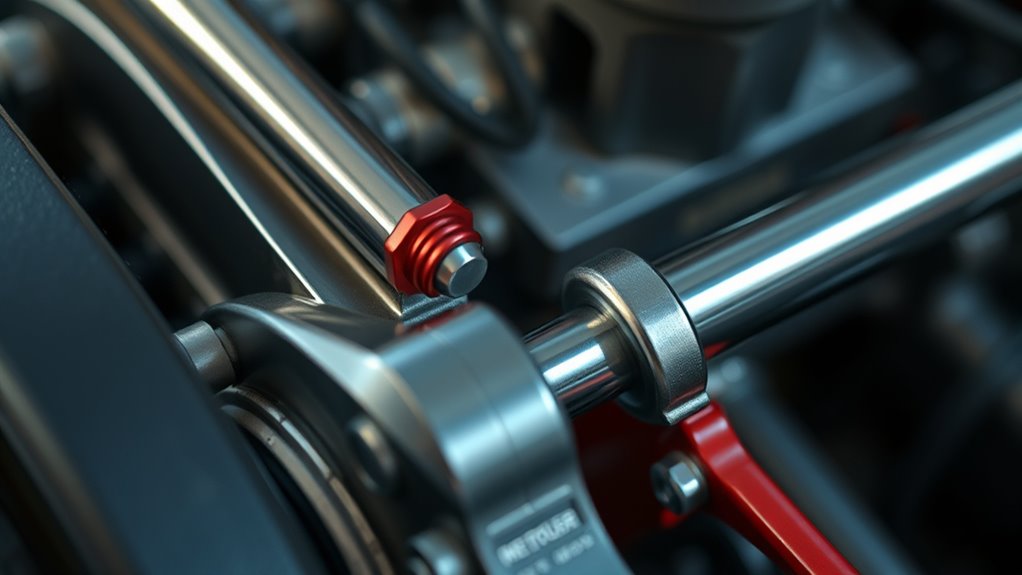
Unveiling the Vital Function of Push Rods in Engine Performance
Are you tired of engine issues that seem to pop up out of nowhere? Many car enthusiasts and everyday drivers struggle with engine performance problems that can be hard to diagnose. If you want your vehicle to run smoothly and avoid costly repairs, understanding key components like push rods is essential.
Push rods play a vital role in engine performance by transferring motion from the camshaft to the valves, controlling their opening and closing. This precise timing guarantees efficient airflow, fuel combustion, and power delivery.
Properly functioning push rods help your engine run smoothly, improve fuel economy, and reduce emissions. If they wear or break, engine performance drops. To keep everything running perfectly, understanding how push rods work will help you maintain and troubleshoot your engine effectively.
Key Takeaways
- Push rods transfer motion from the camshaft to open and close engine valves, which helps with airflow and combustion.
- They play a key role in valve timing, impacting engine power, fuel efficiency, and emissions.
- Making sure they’re well-lubricated and choosing the right materials helps them last longer and perform better.
- Signs of push rod problems include engine misfires, strange noises, and visible signs of wear or damage.
- Regularly inspecting and maintaining them can prevent failures, boost engine reliability, and extend its lifespan.
What Are Push Rods, and How Do They Work in an Engine?
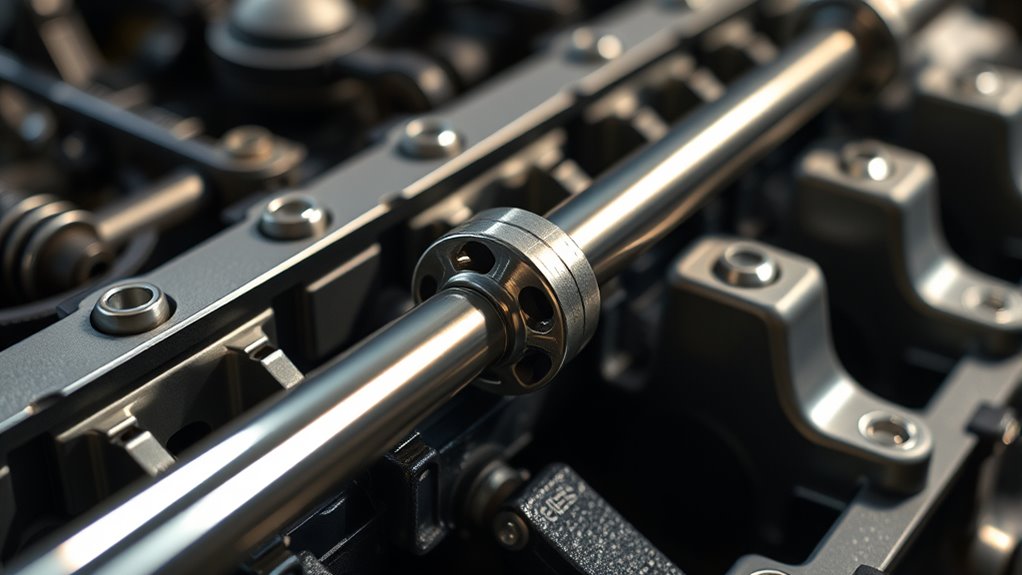
Although push rods are often overlooked, they play a crucial role in many internal combustion engines. You might not realize it, but these parts are essential for good performance and fuel economy.
Push rods transfer motion from the camshaft to the engine’s valves, allowing air and fuel to enter and exhaust gases to exit. This process directly affects how well your engine runs.
Push rods control valve movement, impacting engine efficiency and performance.
When push rods operate smoothly, they help keep valve timing just right, which can boost fuel efficiency. If they bend or get misaligned, it can reduce power and cause incomplete combustion.
By making sure your push rods work properly, you support a more complete and controlled combustion cycle. Overall, these simple yet vital components help optimize engine operation.
This makes your vehicle more efficient and responsive. Proper maintenance and understanding of push rods are key to keeping your engine performing well and saving fuel.
The Role of Push Rods in Valve Operation and Timing
Push rods are pretty important when it comes to controlling how and when your engine’s valves open and close. Basically, they act as the bridge between the camshaft and the valves, making sure motion gets transferred smoothly from one to the other. Because of this direct connection, they play a big role in how well your engine runs and how much power it produces.
Push Rods Control Valve Timing
Push rods play a vital role in controlling valve timing by transmitting motion from the camshaft to the engine’s valves. This precise timing is essential for optimizing engine performance and efficiency.
When the camshaft rotates, it pushes the push rods, which then open and close the valves at specific intervals. Proper valve timing boosts vehicle aerodynamics by ensuring smooth airflow into and out of the combustion chamber, improving power and fuel economy.
Furthermore, push rods influence fuel injection systems by maintaining ideal valve opening times, aiding fuel atomization and combustion efficiency. If the timing slips, you may notice reduced power, rough idle, or poor fuel economy.
Regular maintenance of push rods helps sustain accurate valve control, directly affecting your engine’s overall performance.
Mechanical Link Between Components
How do push rods serve as the critical mechanical link in engine operation? They transfer motion from the camshaft to the valves, making sure everything happens at the right time. As the camshaft rotates, it pushes the lifters, which then push the push rods.
This movement opens and closes the valves, which is essential for letting air and fuel in and exhaust out. Without these rods, keeping the valves synchronized would be impossible. Push rods rely on engine oil for lubrication to reduce friction and wear.
They also work within the cooling system’s limits to prevent overheating during operation. Here’s a quick overview:
| Component | Role |
|---|---|
| Engine Oil | Lubricates push rods |
| Cooling System | Keeps engine temp stable |
| Camshaft | Starts the movement |
| Valves | Regulate airflow |
| Push Rods | Connect camshaft to valves |
Impact on Engine Efficiency
Have you ever wondered how precise timing in valve operation boosts engine efficiency? Push rods are key because they make sure the valves open and close exactly when needed.
Getting the timing right helps your engine burn fuel more completely, which improves fuel economy. When valves work efficiently, less unburned fuel escapes as emissions, helping with emission control.
Proper push rod timing cuts down on wasted fuel and reduces harmful pollutants, making your engine cleaner and more efficient.
By keeping valve timing on point, push rods help you get better mileage and meet stricter emission standards. Essentially, these parts directly affect how well your engine performs, balancing power with less environmental impact.
When push rods work properly, they maximize efficiency and lower your vehicle’s ecological footprint.
Types of Push Rods and Materials Used
Push rods come in a few different materials, like steel, aluminum, and sometimes even composites. Each material has its own strengths, especially when it comes to things like weight and durability. For example, steel is pretty strong and durable, but it’s also heavier, while aluminum is lighter but might not last as long under intense conditions.
When it comes to choosing the right push rod, factors like wear resistance, fatigue life, and thermal stability are super important. These features help ensure the push rod can handle the high demands of performance engines without failing. Plus, there are different types of push rods out there, like solid or tubular designs. These are made to balance strength and weight depending on what the engine needs, so you can find the right fit for your specific setup.
Common Push Rod Materials
Choosing the right push rod material is essential for ideal engine performance because it affects durability, weight, and overall efficiency. Common push rod materials include steel, which offers high strength and good durability, making it a popular choice for most applications.
Chrome-moly steel is lightweight and provides improved strength, making it suitable for high-performance engines. Aluminum push rods are even lighter, which helps reduce reciprocating mass, but they may sacrifice some durability.
Titanium push rods are extremely strong and lightweight. They are favored in racing but come at a higher cost. Selecting the right material depends on your engine’s specific needs, balancing weight, strength, and cost.
Material Durability Factors
Different push rod materials have different durability levels based on their composition, design, and how they’re used. Factors like material fatigue and surface coatings really affect how long they last.
High-quality materials such as hardened steel or titanium resist fatigue better when under repeated stress, which helps them last longer.
Surface coatings like cadmium or chrome make push rods more resistant to wear and corrosion, boosting their durability. On the other hand, poorly coated or weaker materials tend to degrade faster, especially in tough conditions.
When choosing push rods, it’s important to think about these durability factors to keep your engine running well and avoid failures. Knowing how material fatigue and coatings affect lifespan helps you pick the best options.
Maintaining proper lubrication and avoiding excessive heat are also key to preserving the strength and lifespan of push rods over time.
Different Push Rod Types
There are several types of push rods used in engines, each designed with specific materials that impact performance and durability.
Steel is the most common because of its strength, while aluminum offers lighter weight, which can be beneficial for engine modifications.
Hollow push rods are popular in high-performance builds because they reduce weight without sacrificing strength.
Some specialty push rods have roller tips to decrease friction and increase lifespan, especially in racing engines.
Depending on your engine’s needs, choosing the right push rod type can improve longevity and power output.
Your selection influences how well your engine performs under stress. Understanding these variations is essential for any enthusiast or mechanic aiming for ideal performance.
Recognizing the Signs of Push Rod Problems
You might also notice increased oil consumption, as worn or bent push rods can cause oil leaks or burning. Sometimes, misfires or rough idling happen if the push rods don’t open the valves properly.
A decrease in engine performance, including power loss or hesitation during acceleration, can also be a sign. Finally, look out for visual clues like oil spots under your vehicle or metal shavings in the oil, which suggest worn push rods.
Staying alert to these symptoms can help prevent serious damage and keep your engine running smoothly longer. If any of these signs pop up, it’s a good idea to have a professional check your push rods as soon as possible.
How to Inspect and Maintain Your Push Rods
Want to keep your push rods in great shape? The key is to check their alignment regularly and keep an eye out for any signs of wear or if they seem dry. It’s a good idea to set up a consistent inspection schedule so you can catch any issues before they become serious. When you stay on top of maintenance, your engine will run smoother, and you’ll help extend the life of those components.
Checking Push Rod Alignment
Ever wondered how to make sure your push rods are working properly? Checking push rod alignment is key to keeping your engine running smoothly. If they’re out of alignment, it can cause uneven wear or even damage over time.
Start by inspecting the push rod tubes for any misalignment or bending. These issues can happen during manufacturing or if the push rods aren’t well-lubricated. Removing the valve cover makes it easier to see if the rods sit straight and parallel.
Listen for unusual noises when the engine runs—that’s often a sign something’s off. Make sure the push rods have proper contact with the lifters and rocker arms. Regular checks and adjustments help prevent costly repairs later on.
- Examine push rod tubes for misalignment
- Look for bent or distorted rods
- Verify proper contact with lifters and rocker arms
- Watch for uneven wear patterns
- Ensure smooth operation during engine running
Lubrication and Wear Signs
Ensuring your push rods stay properly lubricated is essential for preventing premature wear and potential engine damage. Adequate lubrication reduces friction, supports engine cooling, and guarantees smooth fuel combustion.
Regularly inspect for signs of wear, such as pitting, scoring, or cracks on the push rod surface. Excessive heat or not enough lubrication can cause these issues, leading to increased rubbing and metal fatigue.
Listen for any unusual noises during engine operation, like tapping or ticking sounds, which may indicate push rod problems. Also, check for oil leaks around the rocker arm or cylinder head, as they could signal lubrication failure.
Keeping proper oil levels and quality is critical. It ensures the push rods stay well-lubricated and healthy for peak engine performance.
Regular Inspection Schedule
How often should you check your push rods to keep them in optimal condition? Regular inspections help prevent issues that can affect engine performance and fuel efficiency.
Aim to evaluate your push rods every 3,000 to 5,000 miles or during routine oil changes. Keep an eye out for signs of wear that could lead to misfires or reduced power.
Use engine oil as a key indicator—low or dirty oil can hide problems or speed up wear. Periodic checks ensure your engine runs smoothly, saving you money and improving fuel efficiency.
Here are some things to look for:
- Visible cracks or bending
- Unusual ticking noises
- Measuring push rod length and clearance
- Checking oil consistency and leaks
- Ensuring proper lubrication with fresh engine oil
Common Causes of Push Rod Failures and How to Prevent Them
Push rod failures often come from a mix of mechanical stress and poor maintenance, which can weaken them over time. Using lower-quality or wrong materials for push rods increases the chance of cracks, bending, or breakage under high stress.
Push rod failures result from mechanical stress and poor maintenance, leading to cracks and breakage over time.
Modern manufacturing techniques like precision machining and heat treatment help make stronger, more durable components, lowering failure risks. But if these processes are poorly done or skipped altogether, push rods become more likely to suffer from fatigue and fractures.
Overloading the engine or driving aggressively speeds up wear and tear, causing push rods to fail sooner. To avoid this, pick high-quality push rods made from tough materials like hardened steel or composites.
Regularly inspecting and replacing worn or damaged parts keeps everything running smoothly. Maintaining your engine properly and avoiding excessive strain helps keep your push rods reliable and extends their lifespan.
Basically, proper maintenance and using the right materials are key to preventing push rod failures.
How Push Rod Wear Affects Engine Power and Efficiency
As push rods wear down, they no longer transfer motion efficiently from the lifters to the valves, which can seriously reduce engine performance. Over time, worn push rods can cause misalignment, slower valve operation, and inconsistent timing. This leads to less power and worse fuel efficiency.
The material of the push rods is key to how long they last. Sturdier materials resist wear better, helping maintain engine stability. When push rods are compromised, they can also increase heat transfer, stressing the cooling system and risking overheating.
You might notice rough idling or a drop in horsepower when this happens. Proper maintenance helps catch early signs of wear, so you can avoid bigger performance issues down the line.
- Reduced engine power and acceleration
- Lower fuel efficiency
- Increased engine temperature
- Inconsistent valve timing
- Potential damage to other engine parts
When to Replace or Upgrade Your Push Rods
Worn or damaged push rods can really affect your engine’s performance, so it’s important to know when to replace or upgrade them.
If you hear irregular engine noises like ticking or knocking sounds, that might be a sign of worn or bent push rods. Upgrading your push rods can give you better durability and performance, especially if you’re into race or high-performance builds.
Regular inspections are key. If you notice excessive wear, cracks, or bending, it’s time for a replacement. Consider upgrading to high-quality materials if you want improved reliability under stress.
When replacing, make sure your new push rods match your engine’s specifications. Proper matching helps optimize operation and keeps everything running smoothly.
Paying attention to these signs and timing your replacements can help you avoid bigger problems and keep your engine running at its best. Regular upkeep and thoughtful upgrades go a long way in maintaining peak performance.
How Push Rods Interact With Valves and Other Engine Components
Since push rods serve as the link between the lifters and valves, they play a crucial role in controlling your engine’s timing and operation. When the camshaft turns, it moves the lifters, which push the push rods upward. This action opens and closes the valves at just the right moments, allowing air and fuel in or exhaust out.
Your engine depends on proper valve clearance. If it’s too tight, valves might not close fully, risking damage. If it’s too loose, the timing suffers, which can hurt performance.
Understanding how they interact with other components helps prevent issues. Push rods transfer motion from the lifters to the rocker arms. Valve springs work with push rods to close valves securely. Proper engine oil lubrication reduces friction and wear.
Accurate valve clearance ensures your engine runs smoothly. Consistent contact prevents misfires and keeps everything working efficiently. Together, these parts work seamlessly, with push rods making sure the valve movement is accurate and responsive for peak engine performance.
Beginner’s Guide: Troubleshooting Push Rod Issues
When your engine isn’t running smoothly, push rod problems might be the cause. Faulty push rods can lead to misfires, rough idling, or reduced performance, especially if engine oil isn’t lubricating properly, causing wear or bending.
To troubleshoot, start by inspecting for unusual noises like ticking or knocking. Check for loose push rods or signs of wear. If performance tuning feels off or power drops, this could be linked to a push rod issue.
Regularly checking your engine oil guarantees proper lubrication, preventing damage. A simple oil check can save you from bigger repairs down the line.
Here’s a quick emotional insight:
| Feelings | Indicators |
|---|---|
| Frustration | Engine misfires or noise |
| Anxiety | Loss of power or performance drops |
| Confidence | Clear inspection reveals issues |
| Relief | Timely repair restores smooth running |
Addressing issues early keeps your engine humming and your performance at its best.
Frequently Asked Questions
How Do Push Rods Influence Overall Engine Durability?
Push rods play a key role in your engine’s durability by transferring motion efficiently. But, over time, material fatigue and lubrication issues can cause problems.
If push rods weaken from fatigue, they might bend or break, leading to costly damage. Poor lubrication increases friction and speeds up wear.
To keep your engine reliable and lasting longer, make sure you have proper lubrication and regularly check push rods for signs of fatigue.
What Are the Environmental Impacts on Push Rod Longevity?
Think of push rods as sturdy messengers in your engine’s bustling city. Environmental impacts like moisture and temperature swings cause material fatigue, wearing them down over time, just like city roads crack under stress.
Corrosion resistance is your push rod’s shield against elements that might cause rust or decay. To keep them lasting longer, protect them with quality materials and regular maintenance.
This helps ensure your engine’s communication stays smooth and reliable.
Can Push Rod Modifications Improve Engine Performance?
Yes, changing push rods can help improve engine performance.
Focusing on an overhead design can reduce weight and boost airflow, which makes the engine run more efficiently.
Material choice matters too — using high-strength alloys that resist wear and heat can make a big difference.
These upgrades can increase durability, improve valve timing, and give you more horsepower and quicker throttle response.
Are Push Rod Issues Linked to Specific Engine Types?
Picture a delicate web woven through your engine, where each push rod’s material and design match the engine type you have. Issues often come from push rod materials that aren’t suited to specific engines. For example, high-performance aluminum rods in heavy-duty engines can be prone to fatigue.
Recognizing these connections can really help you troubleshoot better. Making sure your push rods are properly matched helps keep your engine running smoothly. When they’re just right, you prevent misfires and keep your engine performing at its best.
Good matching also extends your engine’s lifespan. It’s a simple step that can save you a lot of trouble down the road.
How Do Manufacturing Differences Affect Push Rod Reliability?
Manufacturing differences, like variations in materials and tight tolerances, directly affect push rod reliability. When materials aren’t consistent or tolerances are off, push rods can wear out faster, bend, or break earlier than expected.
You’ll see better durability and performance when manufacturers use high-quality materials and strict tolerances. These factors help ensure your push rods last longer and perform more reliably.
Choosing properly manufactured push rods can lead to fewer breakdowns and a longer engine life. That means saving time, money on repairs, and avoiding hassles down the road.
Conclusion
Understanding your push rods is like holding the heartbeat of your engine—vital for smooth performance and longevity. They play a key role in transferring motion from the camshaft to the valves, ensuring everything runs smoothly.
Recognizing signs of wear and knowing when to maintain or upgrade your push rods helps keep your engine humming like a well-tuned symphony. Regular inspections can prevent issues before they become costly repairs.
Taking care of your push rods means they won’t become the weak link in your engine. Instead, they’ll power your ride with precision and reliability. Think of them as the unsung heroes—hidden yet essential for optimal engine performance.