Signs of a Failing Car AC Compressor: Symptoms, Replacement, and Environmental Impact
Are you tired of your car’s AC blowing warm air on hot summer days? You’re not alone—many drivers struggle with AC issues that can make your vehicle uncomfortable and frustrating.
If your car’s AC blows warm air, makes strange noises, or the system cycles on and off, your compressor may be failing.
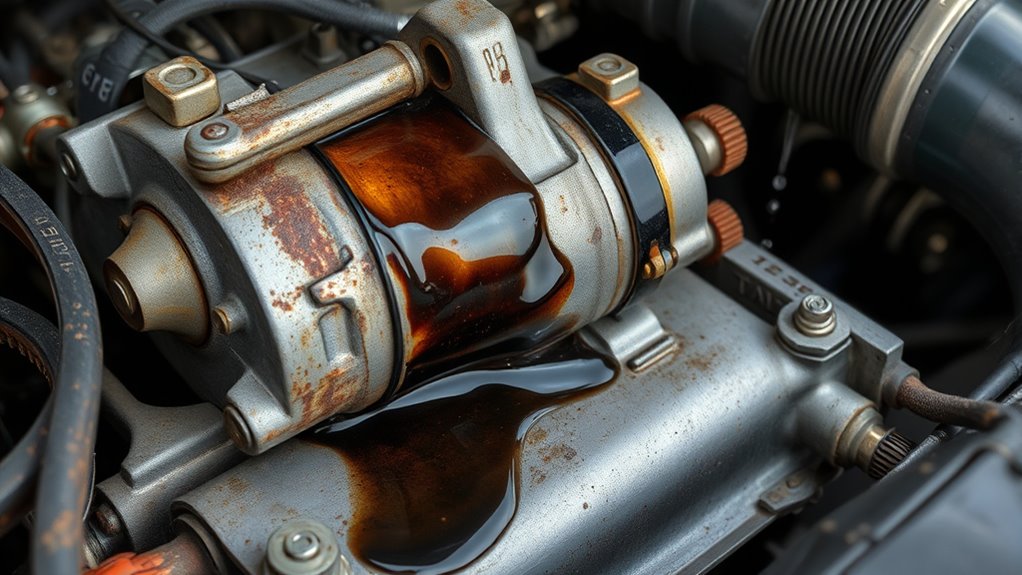
You might notice reduced airflow, oil leaks, or engine vibrations when using the AC.
A faulty compressor can decrease performance and harm the environment by leaking refrigerants.
To keep your vehicle running smoothly and eco-friendly, it’s important to recognize these signs early.
Keep exploring to learn how to diagnose and fix the issue effectively.
Key Takeaways
- Unusual noises, like grinding or squealing, can be signs that your compressor is failing or worn out.
- If your AC isn’t cooling well and warm air blows from the vents, it might be due to compressor issues.
- Look out for visible leaks, damage, or oil near the compressor, which could mean it’s malfunctioning or needs replacing.
- Frequent system cycling or clutch engagement problems are common signs that your compressor might be failing.
- A bad compressor can put extra strain on your engine, increase emissions, and harm the environment because of refrigerant leaks.
Recognize the Warning Signs of a Failing Car AC Compressor
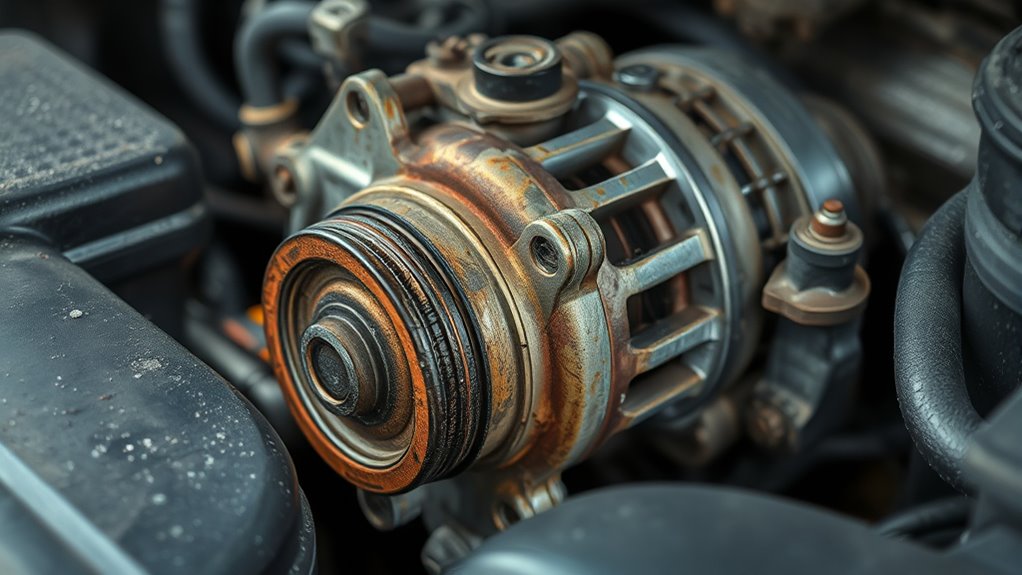
Your car’s AC compressor is essential for cooling your vehicle, but it can show signs of failure before breaking down completely. One common warning is a decrease in fuel efficiency, since a failing compressor puts extra strain on the engine. You might notice your fuel economy slipping, especially when the AC is on.
A failing AC compressor can decrease fuel efficiency and strain your engine.
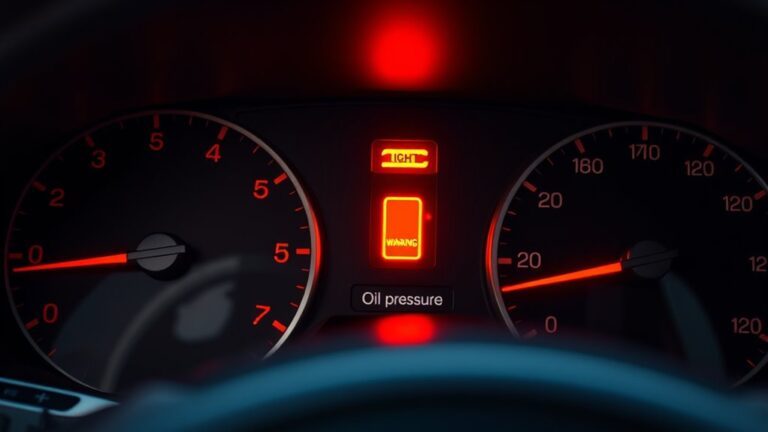
Electrical issues are another red flag. If electrical components related to the compressor start acting up, your system might struggle to operate correctly. You could see warning lights or notice flickering controls on your dashboard.
Unusual noises like grinding or squealing can also be signs. These could indicate internal component wear or a lack of lubrication.
And if warm air replaces cool air in the cabin even when the AC is on, it’s time to get the compressor checked. Recognizing these signs early helps prevent more serious damage and costly repairs. It also keeps your vehicle running smoothly and efficiently.
How a Bad AC Compressor Impacts Your Car’s Performance
Ever wondered how a failing AC compressor can affect your car’s performance? When the compressor malfunctions, it doesn’t just stop cooling—it can cause engine problems too.
A bad AC compressor strains the engine because the system works harder to keep you cool. This extra effort can increase the engine’s coolant temperature, leading to overheating over time.
As your engine works harder, its efficiency drops, and you might notice sluggish acceleration or inconsistent responses. The engine is basically trying to compensate for the added workload.
A faulty compressor can also indirectly affect your brakes. If the engine overheats or runs poorly, your braking performance might suffer, especially if your car needs more power to stop.
Diagnose Your AC Compressor Problems: Is It Time to Replace?
Detecting when your AC compressor needs replacing can help you avoid costly repairs and inconvenient breakdowns. Start by watching for common signs like strange noises, weak airflow, or not enough cooling.
Spot early signs of AC compressor failure to prevent costly repairs and ensure optimal cooling performance.
If your AC isn’t blowing cold air even after a refrigerant recharge, the compressor might be failing. Check for leaks or visible damage in the system—that can be a clue that you need to replace it.
Also, consider whether your AC system has been properly calibrated after any refrigerant recharge. Poor calibration can mimic compressor problems, making it harder to diagnose.
A professional mechanic can perform system pressure tests and inspect parts to find the real issue. Remember, replacing a faulty compressor quickly restores cooling and prevents damage to other parts.
Getting an accurate diagnosis so you can address the root cause early will save you both time and money in the long run.
Should You Repair or Replace Your Car’s AC Compressor?
Wondering whether to repair or replace your car’s AC compressor? It really depends on a few factors. First, think about the repair costs and how they compare to the price of a new compressor. Sometimes, fixing the old one could save you some cash upfront, but if it’s pretty worn out or quite old, going for a replacement might actually be the smarter move in the long run.
Basically, it’s all about weighing these options carefully. Consider your budget, how long you plan to keep your car, and whether a new compressor might give you more reliable cooling for the future. Taking these things into account will help you make the best decision for your vehicle’s needs.
Repair Costs and Benefits
Deciding whether to repair or replace your car’s AC compressor depends largely on the repair costs and the vehicle’s overall value. Repairing might be cheaper upfront if the damage is minor, but extensive problems could mean replacing it, which can be costly.
The decision also depends on your car’s design. Some models make repairs easier and more affordable, while others are more complex, driving up costs. A functioning AC compressor can also indirectly boost fuel efficiency since a well-maintained system reduces strain on your engine.
If your vehicle is newer and has a high resale value, investing in repairs might be worth it. But for older cars, replacing the compressor could be a better long-term choice, ensuring comfort and avoiding frequent repairs.
Age and Condition
The age and overall condition of your vehicle really impact whether repairing or replacing your AC compressor makes more sense. Older cars tend to have more wear and tear, so fixing it might not be as cost-effective as a full replacement.
As your vehicle gets older, its fuel efficiency can drop because a failing compressor puts extra strain on the engine, which then affects overall performance. If your car has high mileage or shows frequent mechanical issues, swapping in a new compressor could be a better way to restore peak engine function.
On the other hand, if your car is newer or has minimal wear, repairing the compressor might be the smarter, more economical choice. Taking a good look at your car’s condition helps you decide if investing in a new compressor will bring long-term benefits or if fixing it is enough.
How to Replace Your Car’s AC Compressor: A Step-by-Step Guide
Replacing your car’s AC compressor might seem intimidating, but with the right steps, you can handle it yourself. First, make sure your vehicle is cool and parked on a flat surface.
Disconnect the battery to avoid electrical issues. Then, have a professional drain the refrigerant—never try to do this yourself—to safely release the refrigerant.
Remove the serpentine belt and carefully disconnect the compressor lines. Once those are free, unbolt the compressor from its mount and lift it out.
Compare the new compressor with the old one to make sure they match. Mount the new unit securely, reconnect the lines, and put the serpentine belt back in place.
After that, have a professional perform a refrigerant recharge to restore your AC’s cooling power. Finally, check for leaks and test the system to ensure it cools properly.
With patience and attention to detail, replacing your compressor can save you money and improve your vehicle’s AC performance.
Can You Fix Your AC Compressor Yourself or Call a Mechanic?
So, you’re probably wondering whether you can fix your AC compressor yourself or if it’s smarter to call in a pro, right? Well, it really depends on what kind of problem you’re dealing with. If it’s just a small fix and you’ve got some experience and the right tools, you might be able to handle it. But, if the issue looks complicated or involves major parts, it’s usually best to leave it to the experts.
Think about your skills and how comfortable you are working with AC systems before you decide. Sometimes, trying to fix something beyond your knowledge can end up costing more in the long run, so it’s worth considering calling a mechanic if you’re in doubt.
DIY Repair Possibilities
Deciding whether to fix your AC compressor yourself or call in a pro depends on your mechanical skills and comfort with car repairs. Fixing problems like refrigerant leaks or system contamination can be tricky.
While small leaks might be doable if you have the right tools and knowledge, handling refrigerant needs special equipment and safety precautions. If you’re not experienced, it’s better to leave it to the pros.
Replacing or fixing the compressor involves evacuating refrigerant, checking components, and recharging the system. Without proper knowledge, you could cause more damage or make the problem worse.
Trying to repair your AC without the right skills can lead to extra contamination or incomplete fixes. That might not only make things worse but also affect your car’s environmental impact.
When to Seek Help
Knowing when to call in a mechanic instead of attempting repairs yourself can save you time, money, and potential headaches. If you notice persistent issues like decreased fuel efficiency or strange engine vibration, it’s a clear sign your AC compressor may be failing. Attempting DIY repairs in such cases can worsen the problem or cause further damage.
Call a professional if:
- You experience unusual engine vibration during AC use
- Fuel efficiency drops markedly
- The AC system blows warm air despite recharge attempts
- You hear grinding or squealing noises
- Your AC compressor clutch won’t engage or disengage correctly
Handling complex compressor repairs without proper tools or expertise can lead to costly mistakes. When symptoms worsen or stubborn problems persist, it’s best to seek professional help.
Tools and Skills Needed
Fixing an AC compressor isn’t simple, and it needs specific tools and skills to do it right. You’ll need automotive wrenches, a manifold gauge set, and maybe a vacuum pump to handle refrigerant safely.
Knowing how the system works is key so you don’t accidentally damage other parts, which could hurt your vehicle’s fuel efficiency. If you’re not familiar with automotive repairs or tire pressure management, trying the fix yourself might cause more harm than good.
While DIY repairs can save money upfront, professional service makes sure the job’s done correctly. It restores your AC’s function without risking damage. For complicated issues, calling a mechanic with the right tools and experience is the smarter move for safety, efficiency, and peace of mind.
Understanding the Environmental Impact of Faulty AC Compressors
When a car’s AC compressor fails, it doesn’t just affect your comfort—it can also harm the environment. Faulty compressors often leak refrigerants, which are powerful greenhouse gases that contribute to global warming.
A failing car AC compressor can leak refrigerants, harming the environment and accelerating climate change.
If these refrigerants aren’t disposed of properly, they can escape into the atmosphere, breaking recycling rules designed to limit environmental damage. Different types, like R-134a or newer eco-friendly options, have varying effects on the ozone layer and climate.
Leaving refrigerants unrepaired can cause serious environmental harm and legal penalties. Proper maintenance and responsible disposal help prevent leaks and ensure you follow recycling laws.
Plus, abandoned or improperly recycled units may release hazardous fluids that are toxic to wildlife and pollute soil and water sources. Protecting the environment starts with understanding how crucial it is to handle refrigerants the right way and minimize leaks caused by failing compressors.
Tips to Prevent AC Compressor Failure and Extend Its Lifespan
Regularly maintaining your vehicle’s AC system is key to preventing compressor failure and extending its lifespan. Make sure to check refrigerant levels and replace filters when needed.
Proper storage also helps—keep your car in a cool, shaded area to reduce stress on the AC system. If you’re restoring a car, focus on restoring the AC components early, and use quality parts to avoid issues later on.
Running the AC regularly, even during cooler months, keeps the system lubricated and prevents seals from drying out. Keep the drive belt tension correct because loose or worn belts can affect compressor performance.
Additionally, inspect for leaks or debris that might interfere with operation and fix problems as soon as you notice them. Following these simple tips can help you avoid unnecessary repairs and keep your AC compressor working well longer.
What Does Replacing an AC Compressor Cost?
Replacing an AC compressor can cost anywhere from $800 to $2,500. The price depends on your vehicle’s make and model, labor costs, and whether you go with new or remanufactured parts.
Additional repairs might be needed, like replacing the air filter to improve system performance or checking tire pressure for better efficiency during the repair. Expect higher prices for luxury or specialty vehicles because of their complex parts.
Labor charges vary depending on your location and the repair shop, often making up a big part of the total cost. Keep in mind that replacing the compressor can also involve extra costs for refrigerant recharge and system flushing.
To get a clearer picture of what you might spend, consider factors like your vehicle’s make and model, your choice of parts, local labor rates, any other components needing replacement, and optional maintenance like checking tire pressure.
Signs Your AC Compressor Has Been Successfully Repaired or Replaced
Once your AC compressor has been repaired or replaced, you should really start to notice better cooling performance and a more steady flow of air. It’s great when your AC feels more effective than it did before.
You’ll also want to pay attention to any strange noises coming from the unit—these could be a sign that something’s still off. And don’t forget to check that the system pressure stays stable; if it does, that’s usually a good sign everything’s running smoothly.
All these signs together mean your repair or replacement was successful, and your AC should be working just fine now.
Improved Cooling Performance
Have you noticed a noticeable drop in your car’s cabin temperature after the compressor repair or replacement? That’s a good sign your AC system is performing better. You’ll probably experience faster cooling and more consistent temperatures inside your vehicle.
To get the most out of this improvement, proper refrigerant recharge is key, along with a well-maintained automotive coolant system. You might also see your AC keeping the cabin cooler for longer, even on hot days.
- Faster cooling response
- Stable interior temperatures
- Cooler air with less fluctuation
- Even distribution of cold air
- Reduced system strain and efficiency improvements
These signs show that your system is working at its best, giving you better comfort while you’re on the road. Keep an eye on these indicators to ensure your AC compressor is functioning properly.
Absence of Unusual Noises
When your AC compressor is working properly after repair or replacement, you shouldn’t hear any strange or loud noises coming from the system. A quiet compressor shows that the repair was successful and everything is running smoothly.
Unusual noises like grinding, squealing, or rattling can signal problems that affect your car’s safety and climate control.
If you don’t hear these sounds, it means your compressor is working efficiently without causing vibrations or extra strain on other parts.
This not only keeps your vehicle cool but also helps prevent further damage to the AC system.
Monitoring noise levels after repair is a good way to confirm the compressor is functioning correctly.
It gives you peace of mind and ensures your car’s climate control stays in top shape.
Stable System Pressure
A sign that your AC compressor has been successfully repaired or replaced is stable system pressure. When refrigerant flows properly, your climate control system keeps a consistent cooling, and fluctuations become rare.
You’ll notice signs like a steady temperature inside the vehicle, no sudden drops or spikes in refrigerant pressure, and smooth operation without frequent cycling on and off.
The AC system also holds vacuum and refrigerant levels stay steady, with no unusual hissing sounds indicating leaks.
Keeping refrigerant stable ensures ideal climate control and helps your system last longer. Stable pressure confirms the compressor is working correctly, providing reliable cooling without stressing the system or harming the environment.
Frequently Asked Questions
How Long Does a Typical AC Compressor Replacement Take?
A typical AC compressor replacement takes about 2 to 4 hours, depending on your vehicle’s make and model. During this process, your mechanic will evacuate the refrigerant, remove the faulty compressor, and install the new one.
The time can vary if additional components need attention or repairs. To ensure everything is done correctly and your AC works properly, give your mechanic enough time for a thorough replacement.
Are There Any Warranties Available for AC Compressor Repairs?
Yes, there are warranty options available for AC compressor repairs. Many repair shops or manufacturers offer coverage that can protect you from unexpected costs if the compressor fails again.
When you get your compressor replaced, make sure to ask about warranty plans and how long they last. These warranties provide peace of mind and can save you money if problems happen shortly after the repair.
Can a Failing AC Compressor Cause Engine Overheating?
Think of your engine as a finely tuned orchestra. A failing AC compressor can indeed cause engine overheating, especially if it’s not properly lubricated or has a refrigerant leak.
These problems put extra strain on your engine as it works harder to keep everything running smoothly. When the compressor malfunctions, it can disrupt your cooling system, leading to higher engine temperatures.
Keep an eye on these signs to prevent costly repairs and keep your engine running smoothly.
What Are Eco-Friendly Alternatives to Traditional AC Compressors?
You can opt for eco-friendly refrigerants like R-1234yf or R-744, which have lower global warming potential than traditional options.
Moreover, consider sustainable compressors that use environmentally safer materials or are designed for higher efficiency, reducing energy consumption.
These innovations help lessen your vehicle’s environmental impact while maintaining effective cooling.
Switching to eco-friendly refrigerants and sustainable compressors makes your car’s air conditioning more environmentally responsible.
How Often Should I Have My AC System Inspected for Compressor Issues?
Think of your AC system as a delicate dance partner—you need to check on it regularly.
You should have your system inspected at least once a year, especially before summer. During this visit, the technician checks for Freon leaks and compressor clogs that can cause issues.
Catching problems early keeps your AC running smoothly, avoiding costly repairs and ensuring you stay cool even on the hottest days.
Conclusion
Just like a heartbeat keeps your body alive, your AC compressor keeps you cool during hot days. When it starts to fail, you’ll notice signs like strange noises, poor airflow, or hot air blowing out.
Catching these early means you can fix or replace it before it causes a costly breakdown. This not only saves you money but also helps protect the environment by reducing unnecessary emissions.
Stay vigilant about your car’s AC compressor, and it’ll continue to keep you cool and comfortable mile after mile.