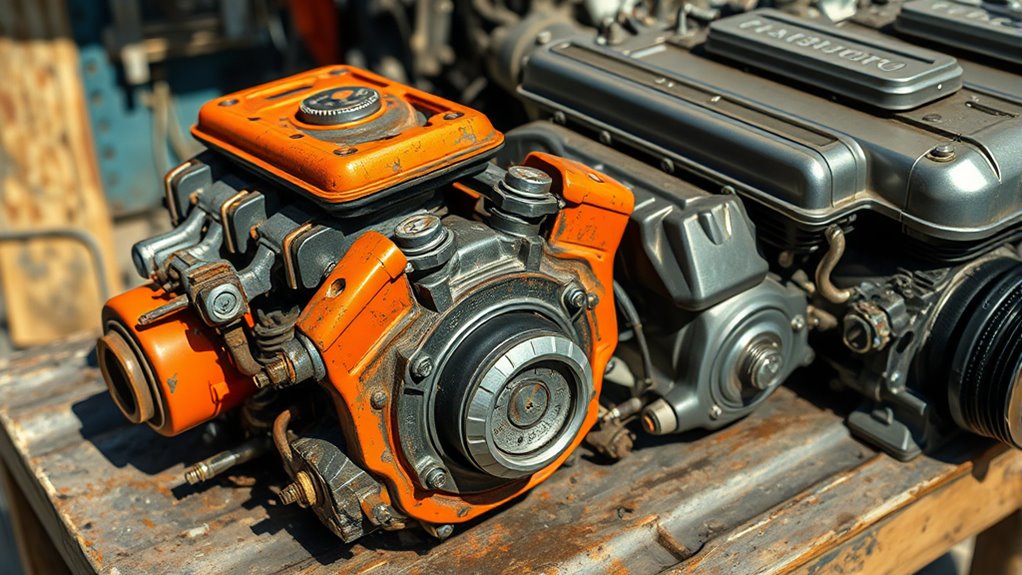
Why 2 Stroke Engines Are Falling Out of Favor in Modern Automotive Industry
Are you feeling frustrated with old engine options that just don’t cut it anymore? Many drivers and enthusiasts struggle with engines that are loud, polluting, and inefficient. You’re not alone in wanting better performance without sacrificing the environment or your budget.
You’ll find that 2-stroke engines are falling out of favor in the modern automotive industry mainly because they produce more emissions and are less fuel-efficient than newer options. They rely on oil-fuel mixes, which leads to higher pollution and faster wear—making them less durable.
Stricter regulations push manufacturers toward cleaner, more efficient alternatives like 4-stroke engines and electric powertrains. To learn how these changes could impact future engine choices, keep exploring this topic.
Key Takeaways
- Stringent emissions regulations make 2-stroke engines less compliant because they produce higher levels of pollutants.
- They tend to burn more fuel and emit more hydrocarbons, which means they’re less efficient than 4-stroke engines.
- Plus, they wear out faster and don’t last as long, limiting their usefulness in cars.
- Modern advances have led to cleaner, more efficient 4-stroke and electric engines, making 2-stroke designs less relevant.
- Overall, environmental rules and a push for better fuel economy mean these older engines are falling out of favor.
What Are 2-Stroke Engines and How Do They Work?
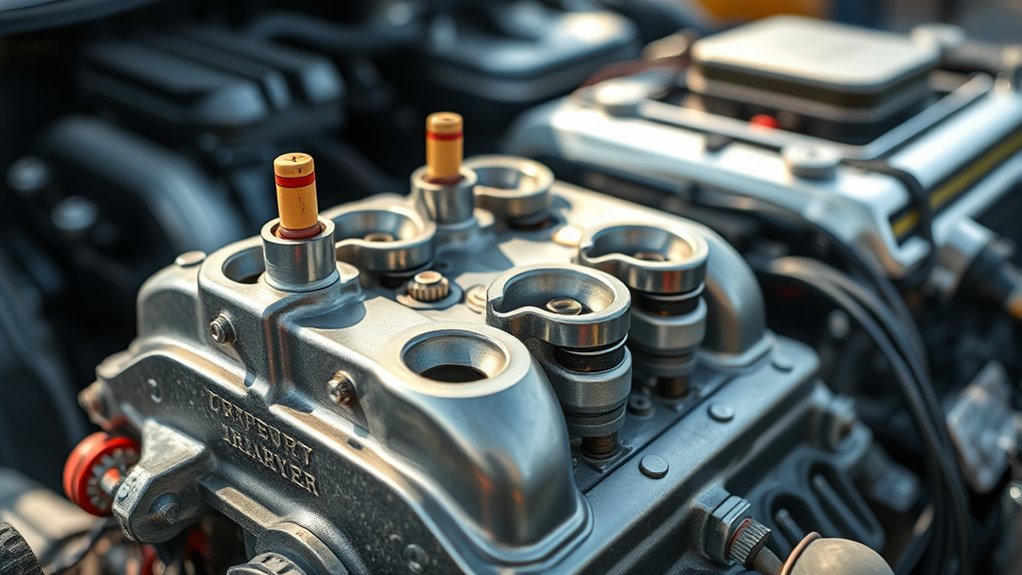
Ever wondered how a 2-stroke engine operates? It completes a power cycle in just two strokes of the piston: one up and one down. Unlike 4-stroke engines, it combines intake, compression, power, and exhaust into these strokes, making it simpler and lighter.
A 2-stroke engine completes a power cycle in two piston strokes, making it simpler, lighter, and more powerful for its size.
Your engine’s fuel efficiency isn’t the best, but it delivers a quick burst of power. That’s why you often see it in chainsaws, lawnmowers, and motorcycles. Lubrication systems are different here—oil is mixed directly with fuel.
This mixture coats engine parts during operation, reducing the need for a separate oil system. But it also leads to higher emissions and more frequent maintenance. Because of its design, a 2-stroke engine is more compact and lightweight.
These advantages come with some trade-offs. Overall, the way it operates favors simplicity and power, but the extra fuel and oil consumption hinder its longevity and efficiency in modern vehicles.
Why Were 2-Stroke Engines Popular in the Past?
In the past, 2-stroke engines became really popular because they’re simple and lightweight. That makes them pretty easy to maintain and install, which is a big plus. Plus, they’re cheaper to manufacture, so they ended up being affordable for a lot of different uses.
And let’s not forget, they pack a punch! They give a lot of power relative to their size, so you get more oomph in a smaller, more compact engine. That combo of simplicity, cost-effectiveness, and power is what made them a top choice back then.
Simplicity and Lightweight Design
Because of their simple design, 2-stroke engines gained popularity in the past for being lightweight and easy to maintain. With fewer components, such as no valves, they reduced both weight and complexity, making them ideal for portable equipment and small vehicles.
This simplicity also made maintenance easier since there are fewer parts that need regular servicing. While their fuel efficiency wasn’t always the best, their straightforward construction meant lower costs for users.
The lightweight nature of these engines allowed for more agile devices and easier handling, especially in outdoor tools like chainsaws and mopeds. Overall, their minimal design made them accessible and reliable, which is why they were widely adopted before modern advancements shifted preferences.
Cost-Effective Manufacturing
The simple design of 2-stroke engines made them lightweight and easy to manufacture at a lower cost. This affordability made them perfect for small machinery, chainsaws, and outboard motors.
Because they had fewer parts, manufacturing expenses went down, which was great for budget-conscious industries. But they often weren’t very fuel-efficient because they burn oil mixed with fuel, leading to higher fuel use.
Durability was also an issue since these engines wear out faster due to the increased engine cycle. That meant more repairs and replacements over time.
Even with their low initial cost, these drawbacks eventually became significant disadvantages. As technology improved, manufacturers preferred engines with better fuel economy and durability.
This shift led to a decline in popularity for 2-stroke engines because they couldn’t keep up with more advanced, efficient options.
High Power-to-Weight Ratio
2-stroke engines gained popularity in the past mainly because they deliver a high power output compared to their size and weight. This high power-to-weight ratio made them great for tools like chainsaws, motorcycles, and small outboard motors.
Since they complete a power cycle with each revolution, they produce power more often. This means more horsepower for less bulk, which was a big advantage.
However, this efficiency comes with lubrication challenges. Oil mixed with fuel is needed, which increases fuel use and leads to more emissions.
Despite the raw power, these issues made 2-stroke engines less efficient and environmentally friendly over time. As technology improved, people started looking for engines that offered a better balance of power, lubrication, and fuel economy.
What Environmental Concerns Do 2-Stroke Engines Raise?
While 2-stroke engines are praised for their simplicity and power-to-weight ratio, they pose some big environmental concerns. One major issue is their reliance on oil mixed directly with fuel for lubrication. This leads to incomplete combustion and oil vapors being released into the air, which adds to pollution.
These engines often burn more fuel than four-stroke engines to do the same job, making them less efficient. That means more emissions and greater resource use. The combustion process produces higher amounts of hydrocarbons, carbon monoxide, and other pollutants because they lack a separate lubrication system like four-strokes.
This inefficiency not only harms our air quality but also speeds up environmental damage. Overall, the pollution from 2-stroke engines is a big reason why they’re becoming less common in cars and recreational vehicles today.
How Do Emissions Regulations Affect 2-Stroke Engines?
As emissions regulations become stricter worldwide, manufacturers are under more pressure to cut pollution from small engines, including two-stroke designs. These rules aim to lower harmful emissions, which really affects the viability of two-stroke engines.
To meet these standards, manufacturers often try to improve fuel efficiency, but this is tough with two-strokes since they usually drink more fuel. They also work on reducing noise pollution because older engines tend to be louder and less eco-friendly.
Another key focus is limiting emissions output, which means adopting advanced catalytic converters or switching to cleaner technology. Still, two-stroke engines struggle to comply because their design naturally produces more unburned fuel and oil emissions.
As a result, tighter regulations make it harder for these engines to meet legal standards. This shift pushes industries toward cleaner, more efficient four-stroke engines and alternative power sources.
How Do 2-Stroke Engines Compare to 4-Stroke Engines?
You’ll notice that 2-stroke engines often pack a punch for their size, giving you more power in a smaller, lighter package. They’re pretty straightforward in their design, which means they’re easier to maintain and tend to be lighter overall.
On the flip side, 4-stroke engines are a bit more complex, but they generally run more efficiently and last longer. They use fuel better and tend to be more reliable over time. Knowing these differences can help you decide which type of engine is better suited for the kind of job or activity you’re planning.
Efficiency and Power Output
Two-stroke engines are generally less efficient than four-stroke engines because they complete a power cycle with fewer strokes. This means they burn fuel less completely and waste more energy.
As a result, they have lower fuel efficiency and overall power output. Four-stroke engines tend to provide more consistent power because they have separate intake and exhaust phases, leading to better combustion.
The main differences are:
- Fuel Efficiency: Four-stroke engines get more energy out of each unit of fuel, making them more economical.
- Power Output: They produce smoother, more reliable power due to complete combustion cycles.
- Engine Durability: Fewer strokes in two-strokes lead to more wear, decreasing durability over time.
Mechanical Complexity Differences
Compared to four-stroke engines, two-stroke engines have a simpler design with fewer moving parts. But this simplicity also means they rely on certain components working under more demanding conditions.
Because of their design, lubrication challenges are significant. They often use a mixture of oil and fuel, which leads to increased wear and less consistent lubrication.
This can affect mechanical durability since parts experience higher friction and wear out faster. Without proper lubrication, components may corrode or seize, reducing engine lifespan.
Fewer moving parts mean less maintenance, but it comes at the cost of being less robust during continuous use. Overall, even though their design is straightforward, the demanding environment can limit their long-term durability compared to four-stroke engines.
Why Are Automakers Phasing Out 2-Stroke Engines in Vehicles?
Automakers are increasingly abandoning 2-stroke engines because they no longer meet modern standards for emissions, fuel efficiency, and durability. Historically, 2-stroke engines were used in motorcycles, chainsaws, and small machinery because of their simplicity and power-to-weight ratio.
Recreational uses like outboard motors highlighted their efficiency for specific tasks. However, automakers now find these engines less suitable because they produce higher pollutant levels and fail current environmental regulations.
They also burn more fuel per cycle, making them more expensive to run and less eco-friendly. Plus, their design leads to quicker wear and shorter lifespan, which increases maintenance costs.
Because of these issues, automakers prefer more efficient, cleaner, and long-lasting 4-stroke engines for modern vehicles. This shift reflects industry trends toward sustainability and reliability.
As a result, 2-stroke engines are becoming increasingly obsolete in mainstream automotive applications.
How Electric Powertrains Are Replacing 2-Stroke Engines
Electric powertrains are really changing the game in the automotive world. They’re much more efficient and produce fewer emissions than the old 2-stroke engines. It’s pretty exciting to see how technological advancements are making electric systems more affordable and easier to meet environmental standards.
Because of that, electric vehicles are becoming a bigger part of the conversation when it comes to reducing our environmental footprint. They’re helping to cut down on the pollution that used to be pretty typical with traditional engines.
Efficiency and Emissions
As concerns about fuel efficiency and environmental impact grow, electric powertrains are quickly replacing traditional two-stroke engines. Unlike engines that rely on a fuel mixture, electric motors produce zero emissions, drastically reducing pollution. They also don’t need engine lubrication, so they eliminate oil consumption and related emissions.
Here’s why electric powertrains excel in efficiency and emissions:
- They convert more electrical energy into motion, which reduces waste.
- They make no tailpipe emissions, so air quality gets better.
- They don’t require complex fuel mixture management, making maintenance simpler and reducing environmental impact.
This shift not only cuts emissions but also boosts overall efficiency, making electric powertrains a cleaner and more sustainable choice for the future.
Technological Advancements
Advancements in battery technology and electronic control systems have sped up the shift from traditional two-stroke engines to electric powertrains. You now benefit from much better fuel efficiency, making electric motors more cost-effective over time.
These innovations also cut down on maintenance challenges since electric powertrains have fewer moving parts and less wear and tear compared to two-stroke engines. With smarter control systems, electric vehicles deliver better performance and reliability.
They also eliminate issues like oil mixing and exhaust emissions that are common with traditional engines. As these technologies keep improving, electric powertrains are becoming more accessible and appealing.
This trend is pushing older two-stroke designs out of many modern applications. The result is a cleaner, more efficient, and less maintenance-heavy alternative that’s transforming the automotive industry.
Environmental Impact Reduction
Two-stroke engines have long been criticized for their environmental impact, mainly because of their emissions and fuel use. Electric powertrains are now increasingly replacing them as people look for cleaner alternatives.
This change brings several benefits. Electric motors produce zero tailpipe emissions, which cuts down on pollutants. They also use energy more efficiently, helping to reduce overall fuel consumption.
As consumers become more aware, electric vehicles are gaining a larger share of the market, gradually replacing traditional 2-stroke engines.
Could Stricter Regulations Lead to a 2-Stroke Revival?
Stricter regulations on emissions and fuel efficiency could spark renewed interest in two-stroke engines, despite their outdated reputation. These regulations push manufacturers to find innovative solutions to meet standards without sacrificing performance.
Two-stroke engines are known for their mechanical simplicity, meaning fewer parts and less weight, which can lead to better fuel efficiency. Since they complete a power cycle in one revolution, they can deliver power more frequently, making them potentially more efficient in specific applications.
If modern materials and emission control technologies are integrated, two-strokes could become more environmentally friendly while maintaining their advantages. Regulatory pressure might encourage engineers to revisit and optimize these engines, especially for small equipment, motorcycles, or outboard motors.
The challenge lies in balancing rigorous emission standards with the inherent efficiencies of two-stroke designs. But stricter regulations could provide the push needed for their technological resurgence.
Debunking Myths About 2-Stroke Engines in Modern Vehicles
Despite their reputation, many misconceptions surround using two-stroke engines in modern vehicles. People often think they’re outdated throwbacks with no practical use today. But that’s not entirely true.
Here are some common myths busted:
- Two-stroke engines are inefficient and polluting. Modern designs have improved emissions, and they’re more efficient than you might think for certain applications.
- They lack durability compared to four-strokes. With proper maintenance, two-stroke engines can last long enough for vintage charm or nostalgic appeal, making them suitable for specific modern uses.
- Two-strokes are obsolete in all vehicles. Some manufacturers still use them in small engines, chainsaws, or outboard motors. This shows they’re still relevant despite the misconceptions.
While these engines often bring a nostalgic feeling for vintage lovers, their capabilities are sometimes exaggerated. Debunking these myths shows they still have potential in specialized contexts.
Are 2-Stroke Engines Still Useful or Are They Obsolete?
While two-stroke engines are often seen as outdated technology, they still serve specific purposes that keep them relevant today. These engines excel in applications like small outdoor equipment, marine motors, and some lightweight tools because of their simplicity and power-to-weight ratio.
They can run on alternative fuel sources, making them adaptable for niche uses or emerging energy innovations. However, their maintenance challenges, such as higher emissions and oil consumption, limit their appeal in modern vehicles.
These issues contribute to their decline in automotive design, where efficiency and environmental standards are stricter. Yet, in certain fields, their compact size, ease of repair, and ability to operate with minimal components mean they remain useful.
If you’re considering alternatives for specialized equipment or situations where weight savings and quick maintenance matter, a two-stroke engine might still be worth using. Despite being largely obsolete for mainstream automotive applications, they still have their place.
Frequently Asked Questions
Are 2-Stroke Engines Still Used in Any Modern Vehicles?
You’ll find that 2-stroke engines are rarely used in modern vehicles today. They’re mostly found in small, specialized equipment like chainsaws or outboard motors.
This is because they have a higher environmental impact, releasing more emissions, and create more noise pollution than 4-stroke engines. Despite their simplicity and power-to-weight ratio, the drawbacks outweigh the benefits.
That’s why manufacturers tend to prefer cleaner, quieter 4-stroke engines for most applications.
What Industries Still Depend on 2-Stroke Engine Technology?
You might think 2-stroke engines are outdated, but they still serve industries like forestry and marine applications, where their simplicity and power-to-weight ratio are important.
Despite environmental concerns, these engines remain reliable in rugged conditions and in historical uses like small boats and chainsaws.
Their compact design and ease of maintenance keep them relevant in areas where efficiency isn’t the main focus but practicality and durability are.
How Do Maintenance Costs Compare Between 2-Stroke and 4-Stroke Engines?
You’ll find that maintenance costs for 2-stroke engines tend to be higher than for 4-strokes, mainly because of fuel efficiency issues and lubrication challenges.
2-strokes often require more frequent repairs due to incomplete lubrication, leading to increased upkeep.
Meanwhile, 4-stroke engines generally have longer-lasting components, making them cheaper to maintain over time.
Are There Any Advancements Making 2-Stroke Engines Cleaner?
Imagine a smoky engine exhaling clouds of pollution, but innovative advancements now work to clear the air. Modern 2-stroke engines incorporate alternative fuels and emission-reduction tech like direct injection and catalytic converters, making them cleaner.
These improvements aim to cut harmful emissions and boost efficiency. While not completely pollution-free, they help make 2-stroke engines a lot more eco-friendly than before.
Can 2-Stroke Engines Be Modified to Meet Current Regulations?
You can modify 2-stroke engines to meet current regulations by improving their efficiency and cutting down on pollution. Using advanced fuel injection systems, catalytic converters, and better lubrication helps reduce emissions.
These upgrades aim to make the engines more efficient and less harmful to the environment. But, they often make the engines more complex and increase costs.
Even with these improvements, many industry trends are moving toward cleaner, more efficient engine technologies. This makes 2-stroke engines less practical for modern cars.
Conclusion
While 2-stroke engines are still holding onto a quiet corner of the industry, their days of prominence are gently fading.
As newer, cleaner technologies bloom, these engines become a nostalgic whisper of the past.
Though they once powered dreams and adventures, it’s time to embrace the promise of innovation and progress.
Change may feel bittersweet, but it paves the way for a brighter, more sustainable future.
In the end, the shift away from 2-stroke engines marks a step toward cleaner, more efficient automotive solutions.