Low Transmission Fluid Warning Light: Does Your Vehicle Have One?
Many drivers have experienced that sudden worry when a warning light comes on, especially if you’re not sure what it means. You’re not alone—most people struggle with understanding vehicle alerts, and one common concern is the low transmission fluid warning light.
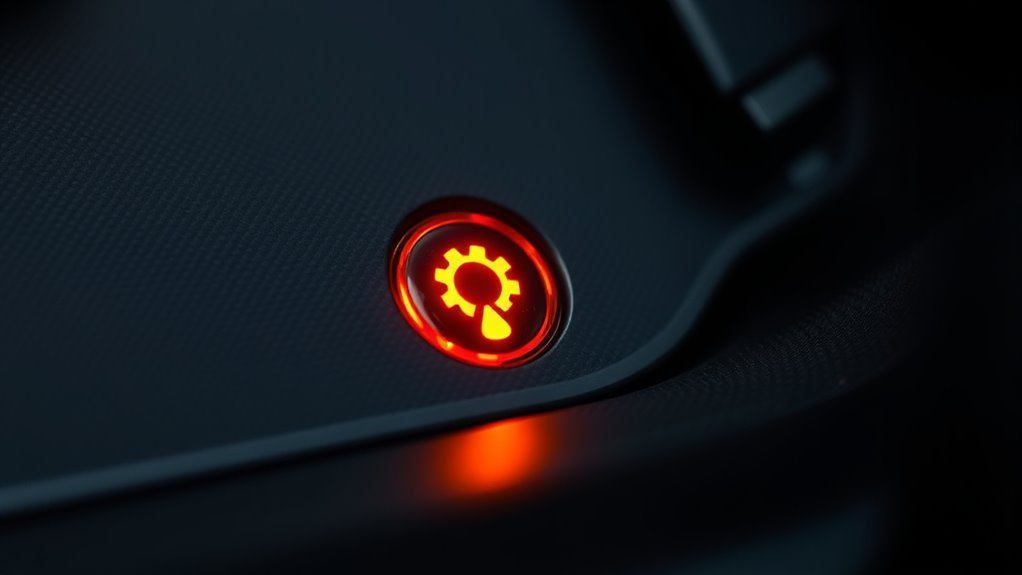
Most vehicles have a transmission warning light that alerts you to low fluid levels or transmission issues. This light often looks like a gear or says “Fluid” on the dashboard.
If it comes on, it’s essential to check your fluid levels and condition promptly. Ignoring it can cause serious damage and expensive repairs.
To keep your vehicle running smoothly, understanding what this warning means and how to respond will help you avoid bigger problems later.
Key Takeaways
Many vehicles have a dashboard warning light that indicates low transmission fluid levels or related issues.
The warning light might look like a gear, say “Transmission,” or be labeled as “Fluid,” depending on your vehicle.
Knowing what this indicator looks like can help you spot when your transmission needs a fluid top-up or inspection.
Keep in mind, not all cars automatically show this warning. Some require you to check manually with the dipstick.
Checking your owner’s manual regularly is a good idea to understand your specific vehicle’s warning indicators.
Does Your Car Show a Transmission Warning Light?
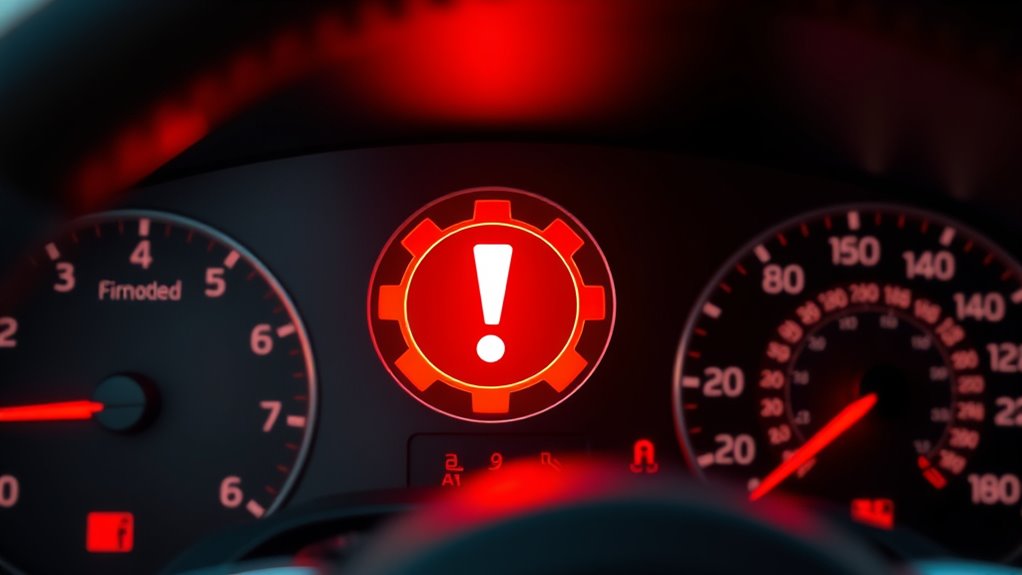
Have you noticed a warning light pop up on your dashboard? If so, it’s a sign you should pay attention to your transmission’s health.
A transmission warning light often signals an issue that could impact how long your transmission lasts. When the light appears, it’s usually about the fluid quality, which directly affects how smoothly your car shifts gears.
Poor fluid quality can cause delayed shifting, slipping, or even transmission failure. Catching these signs early helps you avoid costly repairs down the line.
Sometimes, a flickering or constantly blinking light means the transmission isn’t working right, maybe because the fluid is degraded or low. Regularly checking your transmission fluid levels and quality can help you spot small problems before they become big ones.
What Does the Transmission Fluid Warning Light Mean?
When the transmission fluid warning light appears on your dashboard, it’s a clear sign that your vehicle needs attention. This warning points to issues with transmission fluid levels or quality, which can affect how your transmission performs.
The transmission fluid warning light signals low or poor-quality fluid, requiring immediate check to prevent costly transmission damage.
It can indicate that your transmission isn’t getting the right fluid viscosity, meaning the fluid might be too thin or thick for proper operation. Using the wrong type of fluid can cause damage, so compatibility is really important.
If the warning light comes on, it could mean low fluid levels, degraded fluid, or leaks—all of which can make gear shifting less smooth. Ignoring this warning could lead to expensive repairs or even transmission failure.
To fix it, check your vehicle’s fluid levels and quality as soon as possible. Make sure to use the correct fluid viscosity specified for your transmission type. Acting quickly helps keep your transmission working properly and prevents further damage.
How to Recognize the Transmission Fluid Warning on Your Dashboard
Your vehicle’s dashboard is designed to alert you to potential issues, including problems with the transmission system. One way it does this is through symbols that indicate a transmission fluid warning. These usually look like a gear icon or a warning light labeled “Transmission” or “Fluid.”
If your car has recently been upgraded in terms of transmission, be extra attentive. These updates can sometimes change how warning signals appear. Recognizing the warning early helps you catch problems before they get worse.
When the transmission fluid is low or there’s an issue with fluid pressure, the warning light may flash or stay on. Some newer vehicles also combine this warning with other indicators, like the check engine light.
Always check your owner’s manual to understand what each dashboard symbol means. Familiarity with these signals helps you respond quickly, keeping your transmission in good shape.
Why Is My Transmission Warning Light Coming On?
If your transmission warning light is coming on, it can be a bit worrying. Usually, it means there might be a problem, like the transmission fluid being low or some kind of system glitch. Sometimes, it’s just a sensor acting up or a wiring issue that needs a quick look.
The key is to figure out what’s causing it so you can address it properly and avoid bigger problems down the road. If you see the warning light, it’s a good idea to have your vehicle checked out by a mechanic sooner rather than later.
Low Transmission Fluid Level
A low transmission fluid level is a common reason for a transmission warning light to come on. Your vehicle’s transmission relies on the right amount of fluid to run smoothly.
If the fluid drops below the recommended level, the warning light might turn on. This can happen if there’s a leak or if you forget to do routine maintenance.
Checking your fluid levels regularly helps you stay within the intervals suggested by your vehicle’s manufacturer. If the level is low, it’s important to add the right type of transmission fluid.
Driving with not enough fluid can cause serious transmission problems. Don’t ignore that warning light—deal with the low fluid level as soon as you notice it.
Transmission System Malfunction
When the transmission warning light comes on, it usually means there’s more going on than just low fluid. It can indicate a problem with the transmission’s internal parts or maintenance issues.
Fluid can evaporate over time, which reduces lubrication. This can cause increased wear or overheating, and that’s often what triggers the warning light.
But it’s not just about having low fluid. The light could be signaling issues like slipping, rough shifting, or strange noises coming from your transmission.
Ignoring this warning can lead to more damage, expensive repairs, or even complete failure of the transmission.
If you see this light, it’s important to have a mechanic check your vehicle quickly. They can find the cause and fix it before it gets worse.
Sensor or Wiring Issues
Sometimes, the transmission warning light comes on not because of a mechanical problem but because of faulty sensors or damaged wiring. Sensor malfunctions can send false signals, making you think there’s a problem when there isn’t. Wiring faults, like loose connections or corrosion, disrupt the flow of information to your vehicle’s computer and trigger the warning light.
Here are three common causes. First, damaged sensors that inaccurately read transmission fluid levels or temperature. Second, broken wiring connections that cause intermittent signals. And third, corrosion or frayed wires disrupting communication between sensors and the system.
These issues can cause unnecessary worry and might lead to costly repairs if you ignore them. It’s always a good idea to inspect sensors and wiring connections to make sure everything is intact and working properly.
What Are the Risks of Ignoring a Transmission Fluid Alert?
Ignoring a transmission fluid alert isn’t something to take lightly. If you brush it off, you could end up doing serious damage to your transmission, and fixing that can get pretty expensive. When the fluid level gets too low, your car might start shifting rough or even fail to shift at all.
And let’s not forget about safety—skimping on this warning can put you and everyone around you in danger. So, it’s definitely best to check it out sooner rather than later.
Transmission Damage Potential
Neglecting a transmission fluid warning light can lead to serious damage to your vehicle’s transmission system. When fluid levels drop or the fluid turns dark and burnt, it’s a clear sign there’s trouble.
Ignoring this warning can cause complete transmission failure, leaving you stranded and facing costly repairs. Over time, damage from overheating speeds up wear and can cause fluid leaks and corrosion.
You might also notice a loss of smooth shifting, which makes driving stressful and unsafe, especially if the fluid looks unusual or you hear strange noises. Without proper fluid, your transmission can’t work properly.
Fluid leaks don’t just lower fluid levels—they also expose internal parts to dirt and debris, risking further damage. Catching issues early can prevent your vehicle from experiencing catastrophic failure.
Increased Repair Costs
Failing to address a transmission fluid warning light can significantly increase your repair costs because damage to your transmission tends to worsen quickly once ignored.
Without proper maintenance, low or dirty fluid can cause parts to wear out prematurely, leading to expensive repairs.
Delaying fluid replacement allows contaminants to build up, increasing friction and heat inside the system.
Over time, this can cause complete transmission failure, which is far more costly to fix than regular fluid checks.
Regular fluid replacement and maintenance are essential for keeping your transmission running smoothly and avoiding major repairs.
Ignoring the warning can turn a simple, affordable fluid change into a huge, costly repair bill.
Safety Risks Increase
Continuing without addressing a transmission fluid warning light can seriously put your safety at risk. Ignoring it not only affects your vehicle’s transmission history but can also lead to dangerous driving situations.
When this alert appears, the fluid may turn dark or become contaminated, indicating serious issues. If you dismiss the warning, you risk overheating or even transmission failure, which can cause sudden loss of control.
You might experience sudden gear slips or a full breakdown in the middle of your drive, which could cause accidents. Ignoring these signs can cause irreversible damage, leading to expensive repairs or a total transmission replacement.
A failing transmission can cause your vehicle to lose power unexpectedly, endangering both you and those around you. Pay attention to warning lights—they’re telling you to take action before disaster strikes.
How to Safely Check Your Transmission Fluid Level
Wondering how to safely check your transmission fluid level? First, make sure your vehicle is on a flat surface to get an accurate reading.
Start by warming up your engine by letting it run for a few minutes, then shift through all gears to circulate the fluid. Turn off the engine, and don’t get under the vehicle until it’s cooled down.
Locate the transmission dipstick—usually near the back of the engine bay—and pull it out. Wipe it clean with a rag, then reinsert it fully.
Pull the dipstick out again to check the fluid level. It should be between the designated markers.
During this check, remember to follow safety precautions. Avoid contact with hot parts and wear gloves if needed.
Taking these careful steps helps you avoid burns or injury while accurately assessing your transmission fluid level.
Why Transmission Fluid Drops or Degrades Over Time
Transmission fluid can sometimes drop or degrade over time, and there are a few reasons why that happens. One common cause is contamination. Things like dirt, debris, or even leaks from worn-out seals can sneak into the fluid, making it less effective.
On top of that, the heat from the engine and transmission causes a process called oxidation. Over time, this oxidation breaks down the fluid’s chemical makeup, which means it doesn’t do its job as well as it should. All these factors together can lead to the fluid level dropping and the transmission not working as smoothly as it initially did.
Fluid Contamination Sources
Most transmission fluid gets contaminated over time from dirt, debris, and metal particles caused by wear inside the system. This contamination can weaken the transmission filter, making it less effective at keeping harmful particles out.
As contaminants build up, they change the fluid’s viscosity, which makes it less good at lubricating and cooling your transmission. Keep an eye out for these warning signs:
- Dirt and debris clog the transmission filter, leading to uneven shifting.
- Metal particles in the fluid indicate internal wear and more contamination.
- Changes in fluid viscosity can make gear engagement sluggish or rough.
Contaminants reduce fluid quality and can harm your transmission if left unchecked. Regular maintenance helps keep the fluid clean and at an ideal viscosity, protecting your vehicle’s longevity.
Wear and Oxidation Effects
Over time, wear and oxidation cause transmission fluid to break down and lose its effectiveness. Oxidation happens when heat and air change the fluid’s chemical makeup, leading to sludge and deposits.
Wear occurs from constant friction, which thins the fluid and reduces lubrication. This breakdown raises the chances of slipping gears, overheating, and costly repairs.
| Effect | Emotion |
|---|---|
| Reduced Lubrication | Feeling worried about costly damage |
| Sludge Buildup | Frustration from declining vehicle performance |
| Overheating | Anxiety about breakdowns on the road |
| Gear Slipping | Stress from unpredictable driving experiences |
When Should You Add or Change Your Transmission Fluid?
Knowing when to add or change your transmission fluid is key to keeping your vehicle running smoothly. If the fluid looks dark or has a burnt smell, it’s time to take action. Also, check its thickness; if it feels thick or pasty, your fluid might be degraded.
Here are three signs that you should consider replacing or topping off your transmission fluid:
- If your transmission shifts roughly or slips, it’s a sign the fluid isn’t lubricating properly.
- When the transmission warning light comes on, it’s a clear call to check your fluid health.
- Unusual noises or delays during gear shifts suggest fluid issues affecting your car’s performance.
Regularly inspecting your transmission fluid helps catch problems early. When the fluid turns darker or loses transparency, it’s time for a change. Maintaining proper fluid viscosity ensures smooth gear engagement, so keep an eye out for these signs.
How to Troubleshoot a Transmission Warning Light
When the transmission warning light comes on, it’s a clear sign that something isn’t right with your vehicle’s transmission system. Start by checking the transmission fluid, which should be a bright red or pinkish color.
If the fluid looks dark or burnt, it indicates contamination or degradation. Also, inspect for fluid evaporation—if you notice low fluid levels, it might be caused by leaks or burning off.
You can open the transmission fluid dipstick (if accessible) to see the level and color, but be careful not to overfill. If you find the fluid is low or discolored, add the correct transmission fluid and consider having your transmission checked by a professional.
Next Steps When Your Transmission Warning Light Comes On
Once the transmission warning light comes on, it’s important to respond quickly to prevent further damage. Ignoring it can lead to costly repairs or even a breakdown.
Your first step should be to stop safely and check the transmission fluid level. Low fluid often triggers the warning.
Next, schedule a vehicle diagnostics appointment to identify the root cause accurately. This step is essential because transmission issues can stem from various problems, not just fluid levels.
Lastly, consider basic transmission maintenance, like fluid replacement or filter change, if advised by a professional.
By acting swiftly, you protect your vehicle’s transmission and preserve its performance.
Frequently Asked Questions
Can a Low Transmission Fluid Warning Affect Fuel Efficiency?
Yes, a low transmission fluid warning can affect your fuel efficiency. When the fluid levels drop, your transmission has a harder time running smoothly.
This can lead to inefficient shifting and cause your engine to work harder, which burns more fuel. Regular transmission checks and maintaining proper fluid levels can help keep things running efficiently.
Ignoring the warning might cause bigger problems down the line, reduce your fuel economy, and lead to costly repairs. So, keep an eye on those warning lights and stay on top of your transmission maintenance.
Is the Transmission Fluid Warning Light Different From Other Dashboard Alerts?
Your transmission fluid warning light is a specific dashboard indicator designed to alert you about low fluid levels, and its warning light often features a transmission or fluid symbol.
Unlike other dashboard alerts, it actively signals a critical issue that needs your prompt attention.
If this warning appears, you should check your transmission fluid right away, as ignoring it could lead to costly repairs or even transmission failure.
How Often Should Transmission Fluid Be Checked Regardless of Warning Lights?
You should check your transmission fluid regularly, even if no warning lights appear. Think of it as your vehicle’s blood — fluid color reveals its health.
Ideally, check it every 30,000 miles or once a year, especially if your fluid looks dark or grimy. Regular inspections help prevent unexpected failures.
If the fluid color turns murky, take action before costly repairs happen. Staying proactive keeps your drive smooth and safe.
What Are Common Causes for Transmission Fluid Leaks?
Fluid leaks often start from seal deterioration or damage to transmission hoses, which are common leak origins. Over time, seals can wear out or crack, leading to fluid seepage.
Furthermore, loose or damaged fittings and gaskets can cause leaks. You should regularly check for puddles under your vehicle and inspect the transmission area for wet spots or fluid stains.
Prompt repairs can prevent serious damage caused by low or lost transmission fluid.
Can Driving With a Transmission Warning Light Cause Permanent Damage?
Driving with a transmission warning light can cause permanent damage if you ignore it, as it signals issues with transmission maintenance. The warning light’s main purpose is to alert you to potential problems like low fluid levels or component failure.
Conclusion
If your transmission warning light turns on, don’t just ignore it. Checking it promptly can help you avoid costly repairs later on.
Nearly 54% of transmission failures are caused by low or degraded fluid. That’s why regular maintenance and fluid checks are so important.
Staying alert and addressing warning signs early helps keep your drive smooth and extends your vehicle’s lifespan.
Remember, catching transmission issues early is smart. If you notice the warning light, it’s a sign to act and keep your travels safe and stress-free.